
Last updated November 14, 2026
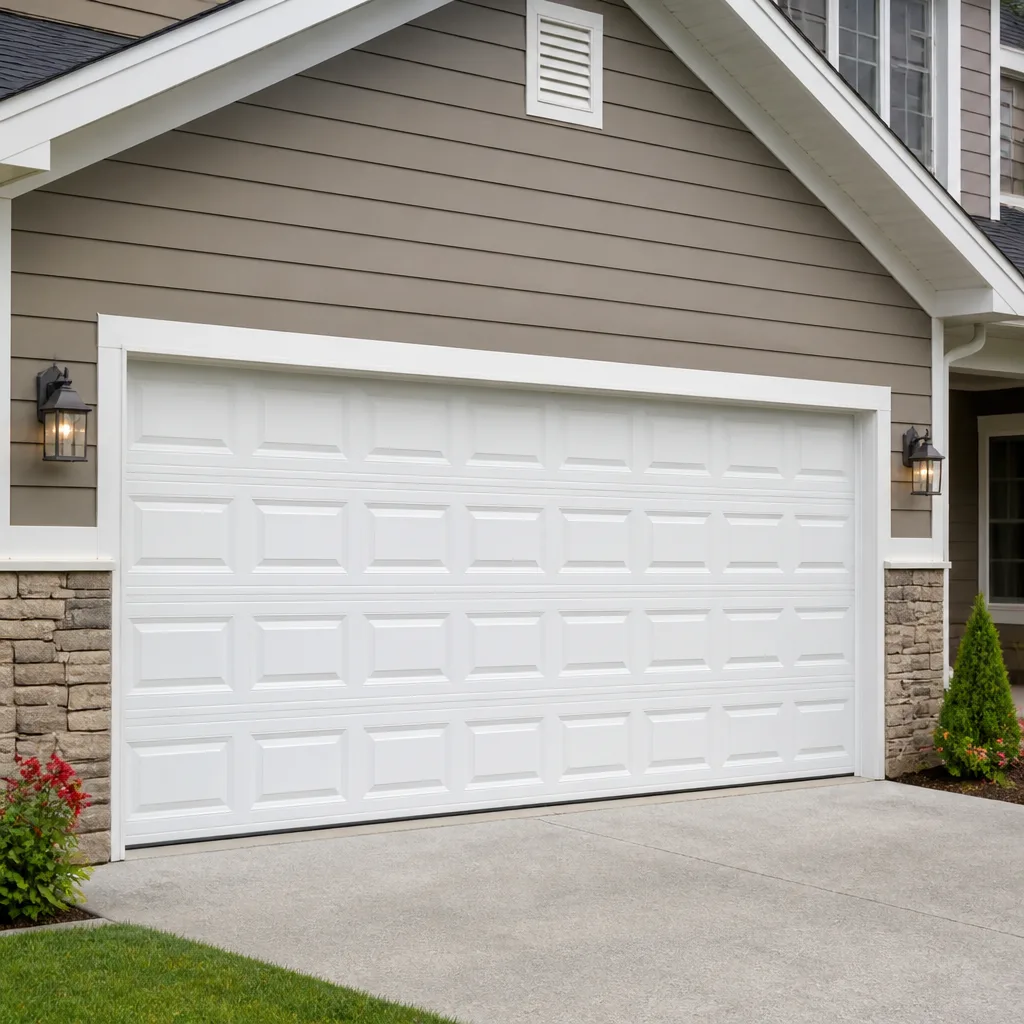 Raised-panel steel
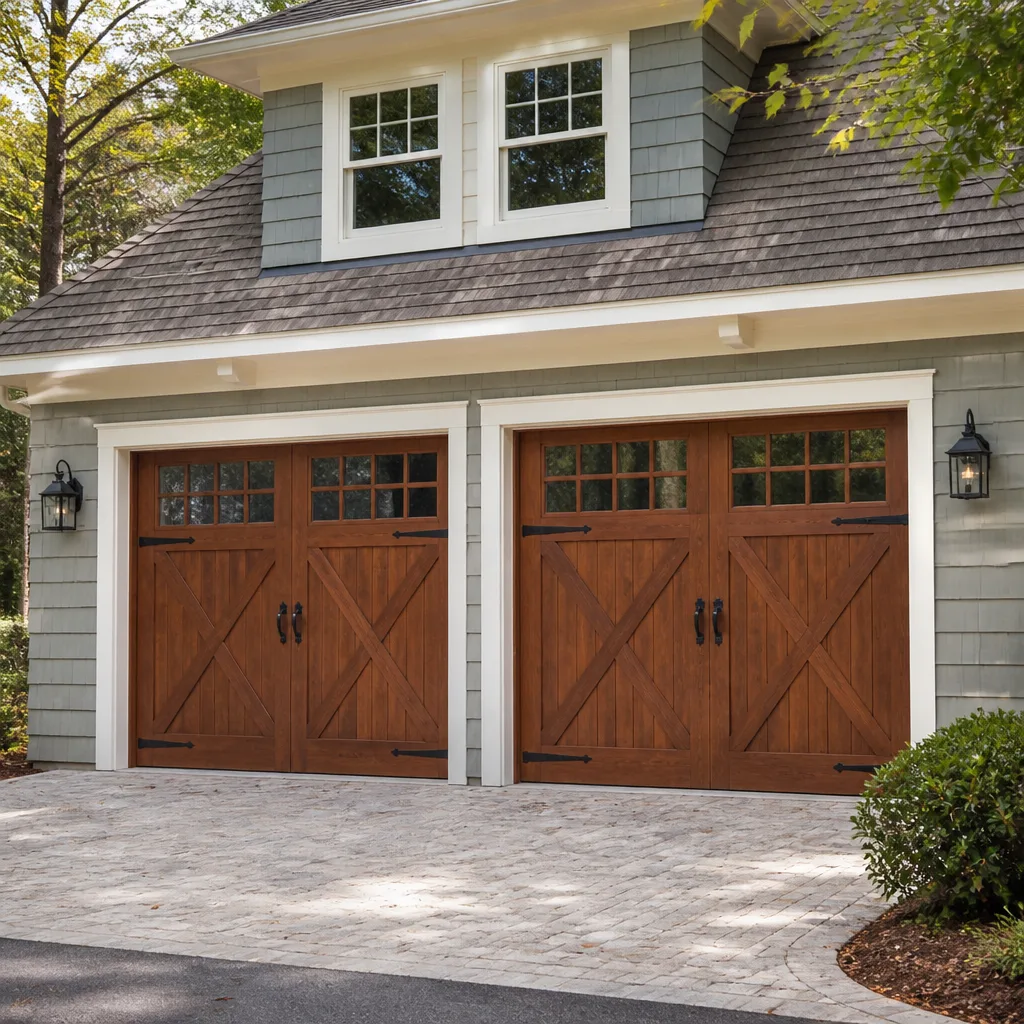 Carriage house
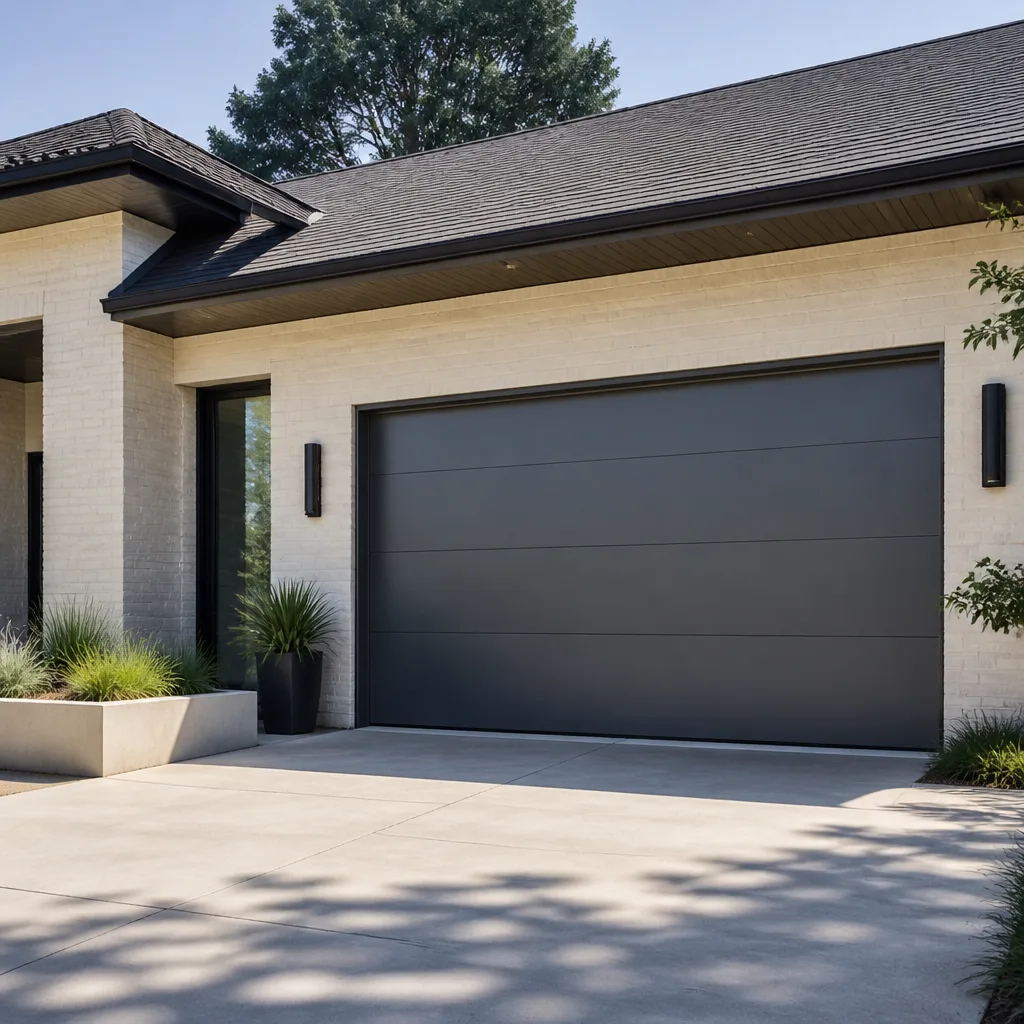 Modern flush
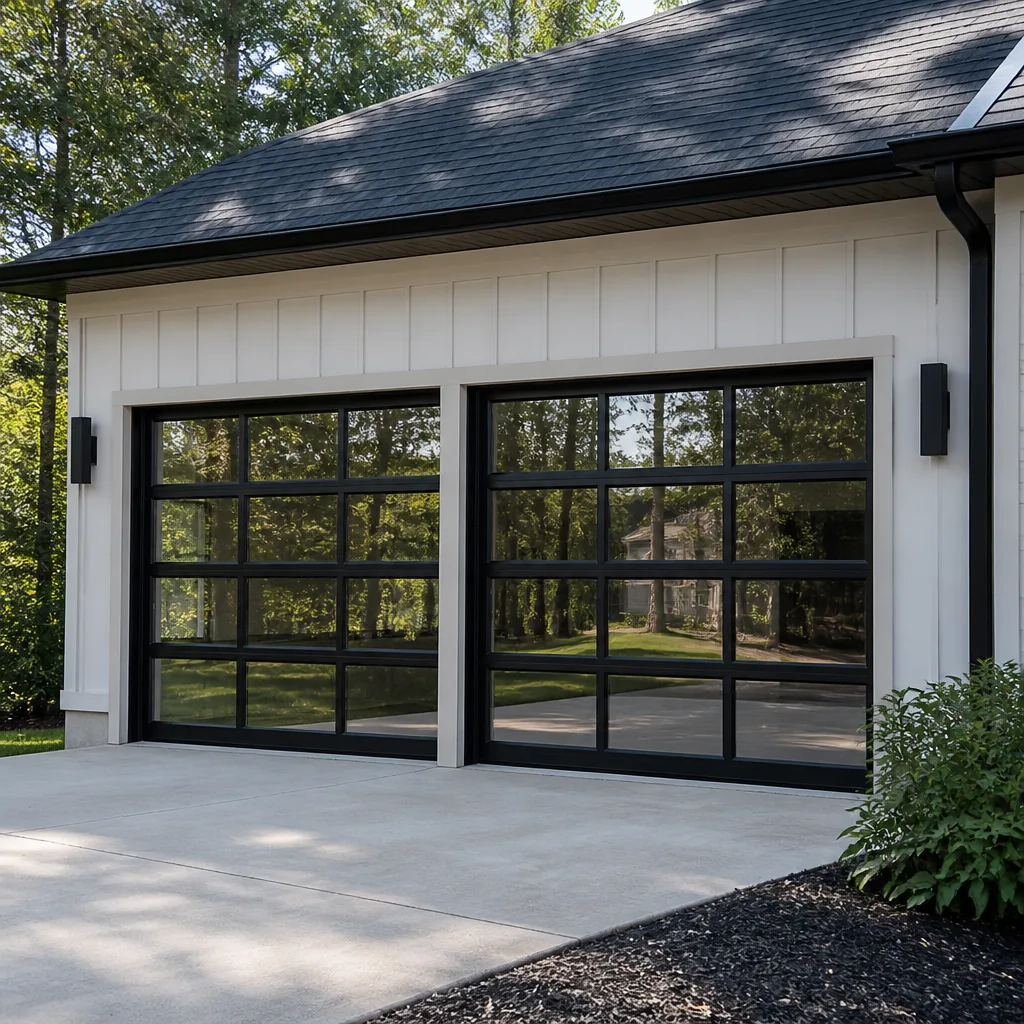 Full-view glass
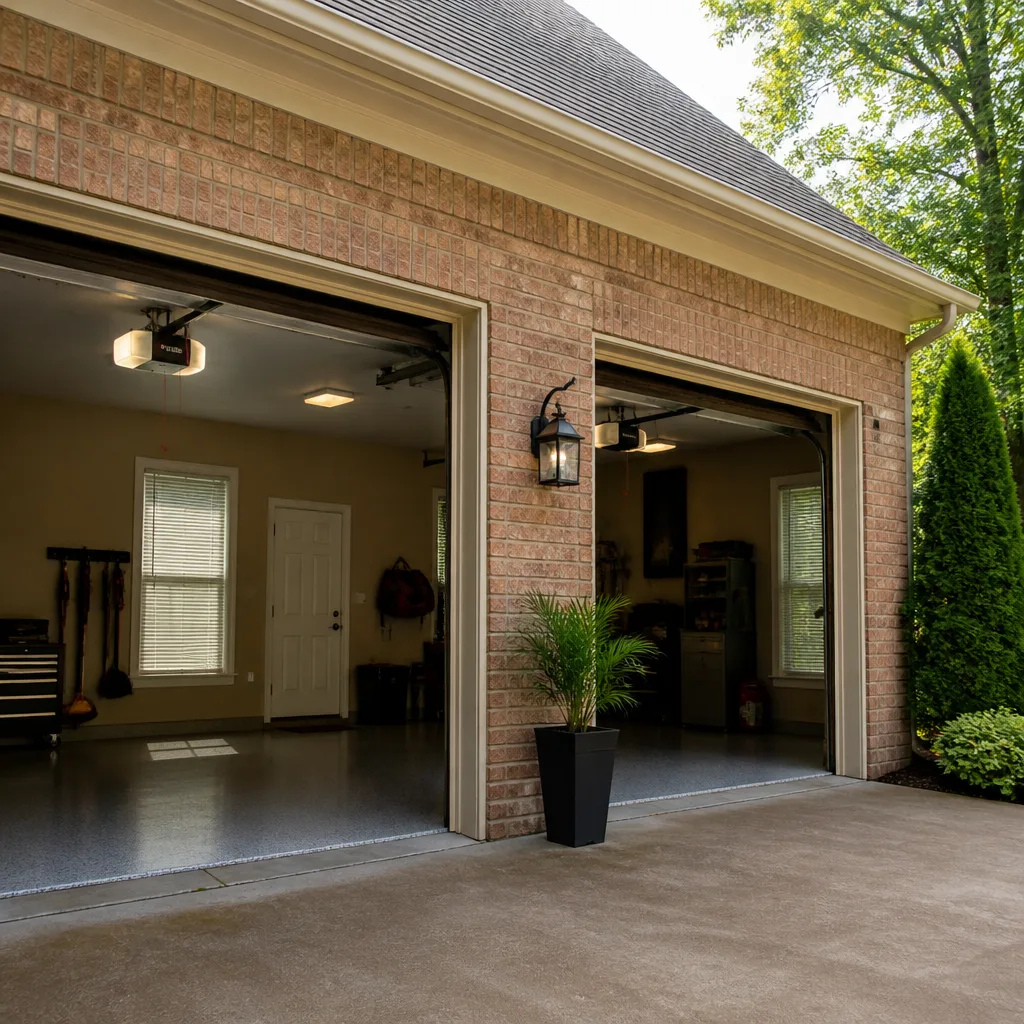 LiftMaster openers
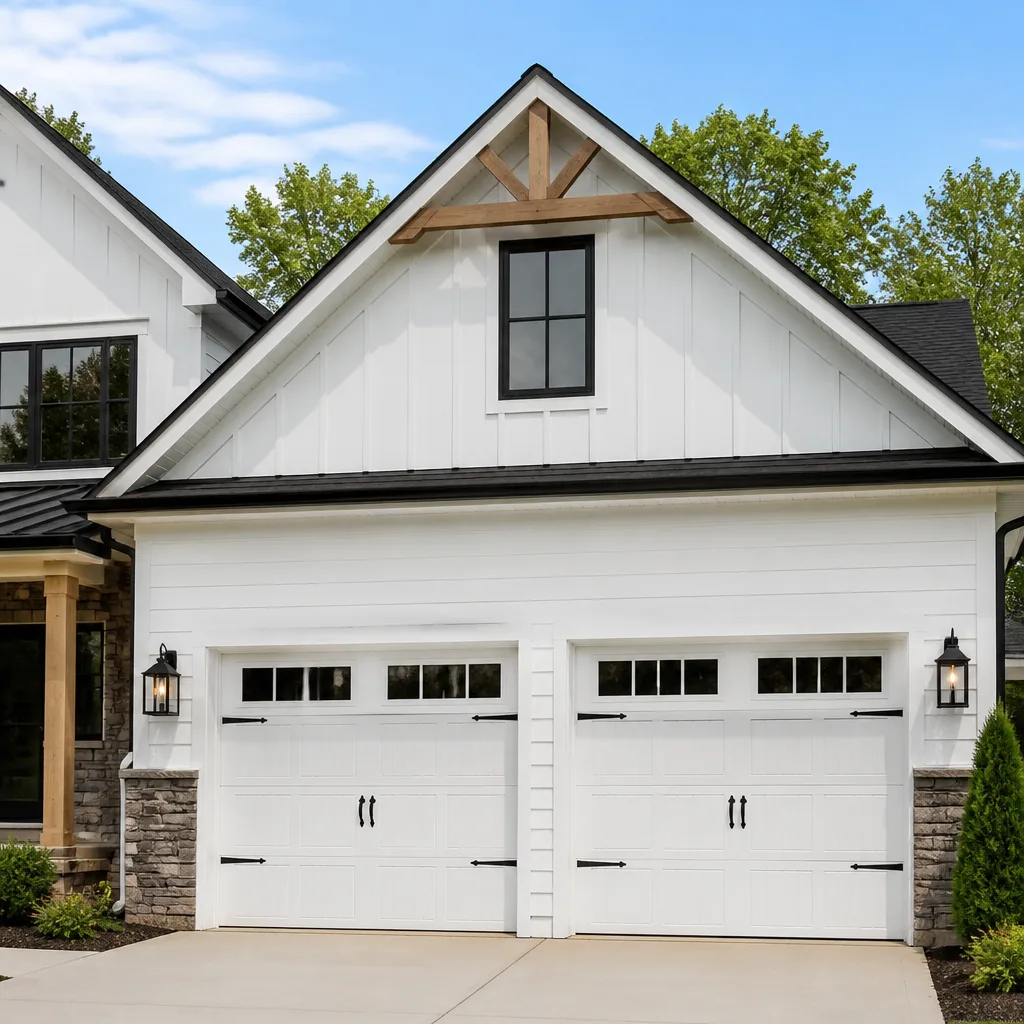 Chamberlain openers
Full 25-point door and opener safety check with every visit - springs, cables, rollers, tracks, and your LiftMaster or Chamberlain opener included
You get a price before we start. It does not change when the pro arrives.
Get your free estimateGarage Door Repair Troubleshooting in Cary: Common Problems and How to Fix Them
Most garage door repair bills run higher than they need to because the symptom gets treated instead of the cause. A door that reverses before it closes isn’t always a sensor problem, and swapping sensors when a torsion spring has lost its tension wastes money while the real fault sits untouched. The same thing happens with openers: a motor that strains or a door that won’t budge gets blamed on the electronics when the balance is off. This guide teaches you to diagnose first. You’ll learn how to sort almost any garage door fault into one of six root categories, which checks you can safely run yourself in Cary, and the exact point where a repair becomes dangerous and belongs with a trained technician.
Quick Answer
Garage door problems in Cary usually trace back to one of six causes: springs, cables, rollers and tracks, the opener motor, the logic board or safety sensors, or the weather seal. Start by testing whether the door moves freely by hand with the opener disengaged. If it’s heavy or binds, the problem is the door, not the opener. If it moves easily but the opener still struggles, the fault is in the opener or its sensors. Repairs range from a quick adjustment to a full spring replacement, and only a trained technician should handle anything involving springs or cables under tension.
Styles & brands we work with
- Raised-panel steel
- Carriage house
- Modern flush
- Full-view glass
- LiftMaster openers
- Chamberlain openers
Table of Contents
- The Six Root Causes: A Symptom-to-Cause Decision Tree
- How Cary’s Climate Wears Out Garage Doors
- The 30-Second Balance Test That Saves You Money
- Motor, Logic Board, or Capacitor? Diagnosing Opener Trouble
- Tracks, Rollers, and the Red Clay Dust Problem
- Weather Seals and Water Intrusion
- Where DIY Stops: The High-Tension Line
- What Repairs Typically Cost
The Six Root Causes: A Symptom-to-Cause Decision Tree
Every garage door fault in Cary belongs to one of six categories. Match your symptom to the category below and you’ll know whether you’re looking at a minor adjustment or a job that needs a professional.
1. Springs. A door that feels impossibly heavy, won’t stay up when you lift it halfway, or makes a loud bang from above usually points to a broken or weakened torsion spring. Springs carry the weight of the door, so when one fails the opener is asked to lift a load it was never built for.
2. Cables. Frayed, slack, or off-the-drum cables show up as a door that hangs crooked, jerks, or won’t open evenly on both sides. Cables work with the springs and are under the same tension, which makes them a professional-only repair.
3. Rollers and tracks. Grinding, squealing, or a door that shakes on the way up usually means worn rollers or a track that’s bent or out of alignment. This is the most DIY-friendly category, and often the cheapest to fix.
4. Opener motor. If the door moves fine by hand but the opener hums without lifting it, or strains loudly, the motor or its drive is the suspect. A humming motor that won’t move the door is a classic sign of a failed capacitor or a stripped gear.
5. Logic board and safety sensors. A door that opens but won’t close, flashes its light in a pattern, or reverses immediately usually has a sensor or logic board issue. Misaligned sensors are common and easy to check; a failed board is not.
6. Weather seal. Daylight under the door, drafts, water on the garage floor after rain, or pests getting in all point to a worn bottom seal. It’s inexpensive and straightforward to replace.
Once you’ve placed your symptom in a category, the next question is whether it needs a technician. Springs and cables almost always do. Rollers, tracks, and seals often don’t.
How Cary’s Climate Wears Out Garage Doors
Cary’s weather does specific things to garage doors that homeowners in drier or more stable climates don’t deal with. Three local factors accelerate wear, and knowing them helps you spot trouble early.
Red clay dust in the tracks. The soil around Cary is heavy red clay, and it finds its way into garages on shoes, tires, and wind. That fine grit settles in the tracks and roller channels, where it acts like sandpaper over time. Rollers wear faster, tracks get gritty, and the door starts to drag or squeal. A periodic wipe-down of the tracks and a light application of a proper garage door lubricant (not grease) keeps this in check.
Humidity swings between summer and winter. Cary summers are humid and sticky, and winters bring drier air. Wood door panels and frames expand and contract with those swings, which can throw a door slightly out of square and stress hinges and fasteners. Steel doors handle it better but can still shift on their tracks. If your door suddenly binds in one season and not another, this swing is often why.
Freeze-thaw cycles and torsion spring tension. Winter freeze-thaw cycles put repeated stress on torsion springs, which are steel under constant load. The temperature swings can bring a weakened spring to the point of failure, which is why a lot of spring breaks happen in cold snaps. A spring that’s near the end of its life often announces itself with a door that feels heavier than it used to.
None of this means your door is failing. It means Cary homes ask a bit more of their garage doors than a milder climate would, and a little preventive attention goes a long way.
The 30-Second Balance Test That Saves You Money
When a door works fine by hand but struggles with the opener, the problem is almost always balance, not the opener. Before you spend money on opener repairs, run this test. It takes about 30 seconds and tells you which side of the system to look at.
- Close the door completely. Make sure nothing is in the way and the area is clear.
- Disengage the opener. Pull the red release handle (the manual release cord) so the door is disconnected from the opener carriage. The door should now move by hand only.
- Lift the door to about halfway. Use the handle or a firm grip on the bottom panel. Don’t force it.
- Let go at the halfway point. A properly balanced door stays put, or drifts only slightly. A door that slams down or races up is out of balance.
- Lower it back down gently and re-engage the opener by running it until the carriage clicks back in.
If the door won’t hold its position, the springs have lost tension or are failing, and the opener has been compensating for a door that’s too heavy. That’s a door problem, not an opener problem, and replacing the opener won’t fix it. If the door holds its position easily, the balance is fine and the trouble is in the opener, its sensors, or its wiring.
This is where a lot of unnecessary work happens. A technician who skips the balance test might replace an opener motor when the real fix is a spring adjustment. For a door that’s heavy or out of balance, the repair belongs with someone who works on springs, and that’s a garage door repair job, not an opener job. Always have the balance checked before you authorize opener work.
Motor, Logic Board, or Capacitor? Diagnosing Opener Trouble
An opener that won’t respond can have three very different causes, and they carry very different price tags. Sorting out which one you’re facing keeps you from paying for parts you don’t need. Whether you have a LiftMaster, a Craftsman, or a Raynor opener, the diagnostic logic is the same.
The motor. A motor that’s failed outright usually gives no sound at all, or a faint hum with no movement. If the opener light comes on and you hear a hum but the door doesn’t move, the motor is trying to run but something in the drive train (gear, chain, belt, or capacitor) has given out.
The logic board. The logic board is the opener’s brain. When it fails, the symptoms are erratic: the opener responds to the wall button but not the remote, or the light flashes a code pattern, or the opener works one day and is dead the next. A board replacement is a bigger repair than a capacitor but far less than a new opener.
The capacitor. A failed capacitor is a common, inexpensive fix. The symptom is a motor that hums but won’t turn over, much like a failing capacitor on an air conditioner. The motor has power but can’t get the starting jolt it needs. This is often mistaken for a dead motor when the motor is fine.
Here’s the practical takeaway: don’t let anyone tell you the whole opener needs replacing before these three have been ruled out. A good diagnostic starts with the cheapest and most likely cause. Our technicians work on the brand you already have, and a garage door opener repair that replaces a capacitor or a board is a fraction of the cost of a new unit. If your opener is a Chamberlain or Genie that’s been reliable, repairing it usually makes more sense than replacing it.
One more check that costs nothing: make sure the opener is actually getting power. A tripped breaker, an unplugged cord, or a dead battery in the wall console will mimic a failed opener. Rule those out first.
Tracks, Rollers, and the Red Clay Dust Problem
Grinding, squealing, and a door that shudders on its way up are usually track and roller problems, and they’re the most fixable category on this list. They’re also where Cary’s red clay dust does the most damage.
Rollers ride inside the tracks and take the brunt of the grit. Steel rollers wear and flatten; nylon rollers are quieter but crack with age. When rollers go bad, the door drags, the opener works harder, and the whole system gets noisier. Replacing rollers is a straightforward job and one of the best value repairs you can make.
Tracks can bend from a bump, from settling, or from a door that’s been running out of balance for a while. A track that’s out of alignment causes the door to bind or hang crooked. Minor track adjustments are often quick; badly bent tracks need replacing.
What you can safely do yourself:
- Wipe down the inside of the tracks with a damp cloth to clear the clay dust and grit.
- Check that the tracks are clear of obstructions and that nothing is leaning against them.
- Look for obvious bends or dents in the track and note where they are.
- Listen for where the noise comes from: the tracks, the rollers, or up top near the springs.
What to leave alone: Don’t try to bend a track back into shape with a hammer or pry bar. Tracks are precision-formed, and a home fix usually makes the door bind worse. Don’t loosen the track bolts to “adjust” alignment either; the tracks are mounted to carry the door’s weight and a slip can drop the door. If the tracks are bent, call a technician.
A quiet, well-lubricated door is a door that lasts. If your door has gotten loud over the past year, the rollers and tracks are the first place to look, and it’s a repair that most Cary homeowners can get handled without a big bill.
Weather Seals and Water Intrusion
Daylight under the door, drafts, water on the garage floor after a storm, and pests finding their way in all point to the same thing: a worn bottom seal. It’s one of the cheapest fixes on this list and one of the most overlooked.
The bottom seal (also called the astragal) is the rubber or vinyl strip along the bottom of the door. It takes a beating from the concrete, from temperature swings, and from the door coming down on it thousands of times. When it hardens, cracks, or pulls loose, it stops sealing. In Cary’s humid summers, a bad seal lets moisture in, which can rust tools and damage anything stored on the floor. In winter, it lets cold air in and drives up heating costs for any room above the garage.
Replacing a bottom seal is usually a straightforward job. The seal slides or fastens into a channel on the bottom panel, and a new one restores the seal. It’s a repair most homeowners can handle with the right replacement strip, though a technician can match the exact profile for your door, whether it’s a Clopay, an Amarr, or a Wayne Dalton. If the seal keeps failing or the door doesn’t sit evenly on the floor, the door may need a travel adjustment, which is worth having checked.
While you’re looking at the bottom, check the sides and top too. Side and top seals wear more slowly but can pull away from the frame. Gaps there let in the same drafts and pests. A quick visual check on a sunny day tells you whether the seals are doing their job: if you can see light, air is getting through.
Where DIY Stops: The High-Tension Line
Some garage door repairs are genuinely dangerous, and it’s worth being clear about where the line is. Springs and cables are under high tension and store enormous energy. A torsion spring that’s under load can cause serious injury if it releases unexpectedly, and there’s no safe way to work on one without the right tools and training.
Stop and call a technician if the repair involves:
- Replacing or adjusting torsion or extension springs.
- Touching the cables, drums, or the hardware that holds the springs.
- A door that has come off its tracks or is hanging crooked from a cable failure.
- Any situation where the door feels heavier than it should or won’t stay up.
- Loosening the bolts that hold the tracks or the spring assembly to the wall.
The balance test in this guide is safe because you’re only lifting the door by hand at the handle, with the opener disengaged. Checking for daylight, wiping tracks, and replacing a bottom seal are all safe. Anything that puts your hands near a wound spring or a tensioned cable is not. A trained technician has the winding bars and the know-how to release and reset that tension safely, and it’s not a job to learn on your own door.
If you’re ever unsure whether a repair crosses the line, that uncertainty is your answer. Call a professional. The cost of a service visit is nothing compared to a spring injury, and a good technician will tell you honestly whether a repair is needed at all.
What Repairs Typically Cost
Costs vary by door, brand, and what’s actually wrong, but it helps to know the general range before you call. The estimates below are typical ranges for common repairs, and the written estimate you get before work starts sets the final price.
| Repair | Typical Estimated Range |
|---|---|
| Roller replacement (per set) | Lower-cost repair |
| Track adjustment or replacement | Moderate |
| Bottom weather seal replacement | Lower-cost repair |
| Opener capacitor replacement | Moderate |
| Opener logic board replacement | Higher than a capacitor, lower than a new opener |
| Torsion spring replacement (one spring) | Moderate to higher |
| Matched spring pair | About twice the single-spring cost |
A matched pair of springs is usually replaced together because they wear at the same rate, so a pair costs roughly twice what a single spring does. Cables are typically replaced in pairs for the same reason. Opener repairs depend heavily on which of the three causes you’re facing: a capacitor is the cheapest, a logic board is more, and a full opener replacement is the most.
Two things to insist on with any repair. First, get the price quoted and agreed before any work starts, so there are no surprises on the invoice. Second, ask for the balance to be checked before opener work is authorized, so you’re not paying to replace an opener that was never the problem. For a clearer picture of repair pricing in the area, see our guide to garage door repair in Cary.
Common Mistakes to Avoid
- Replacing the opener when the door is out of balance. If the door is heavy, the opener is straining to lift a load it wasn’t built for. Fix the springs first, and the opener may be fine. Replacing it without a balance check wastes money and leaves the real fault.
- Greasing the tracks. Tracks should stay clean and dry. Grease attracts the red clay dust that’s already a problem in Cary garages and turns the tracks into a grit trap. Lubricate the rollers, hinges, and springs (with a proper garage door lubricant), not the tracks themselves.
- Hammering a bent track back into shape. Tracks are precision-formed. A home fix usually makes the door bind worse. If a track is bent, it needs replacing or professional alignment.
- Blaming the sensors for every reversal. A door that reverses can be a sensor, but it can also be a binding track or a failing spring. Check the sensors first (they’re easy to see and align), but don’t stop there if the problem persists.
- Ignoring a noisy door. Grinding and squealing are early warnings. Left alone, a worn roller can damage a track, and a dragging door works the opener harder. Catching noise early keeps a small repair from becoming a big one.
- Assuming a brand-specific repair means a brand-specific shop. A LiftMaster opener and a Clopay door don’t need two different companies, and they don’t need a dealer. A good technician works on the brand you have, so ask before you assume you’re stuck with one provider.
- Waiting until the door won’t close at all. A door that won’t close is a security risk: your home and everything in the garage are exposed. If the door fails, treat it as urgent rather than putting off the call.
For Cary homeowners thinking about a larger repair or an opener upgrade, our page on garage door opener repair covers what’s worth fixing versus replacing, and our overview of Cary explains how we handle local service.
See the difference
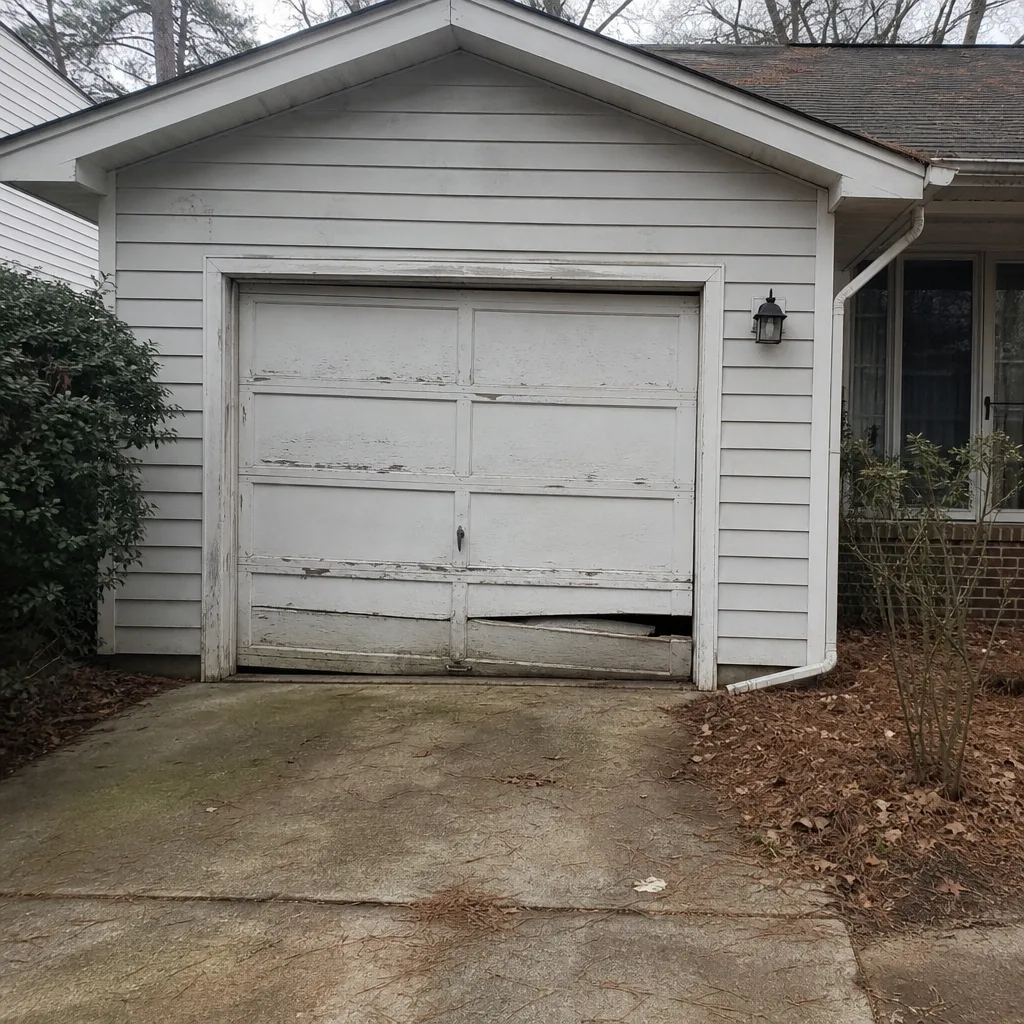 Before
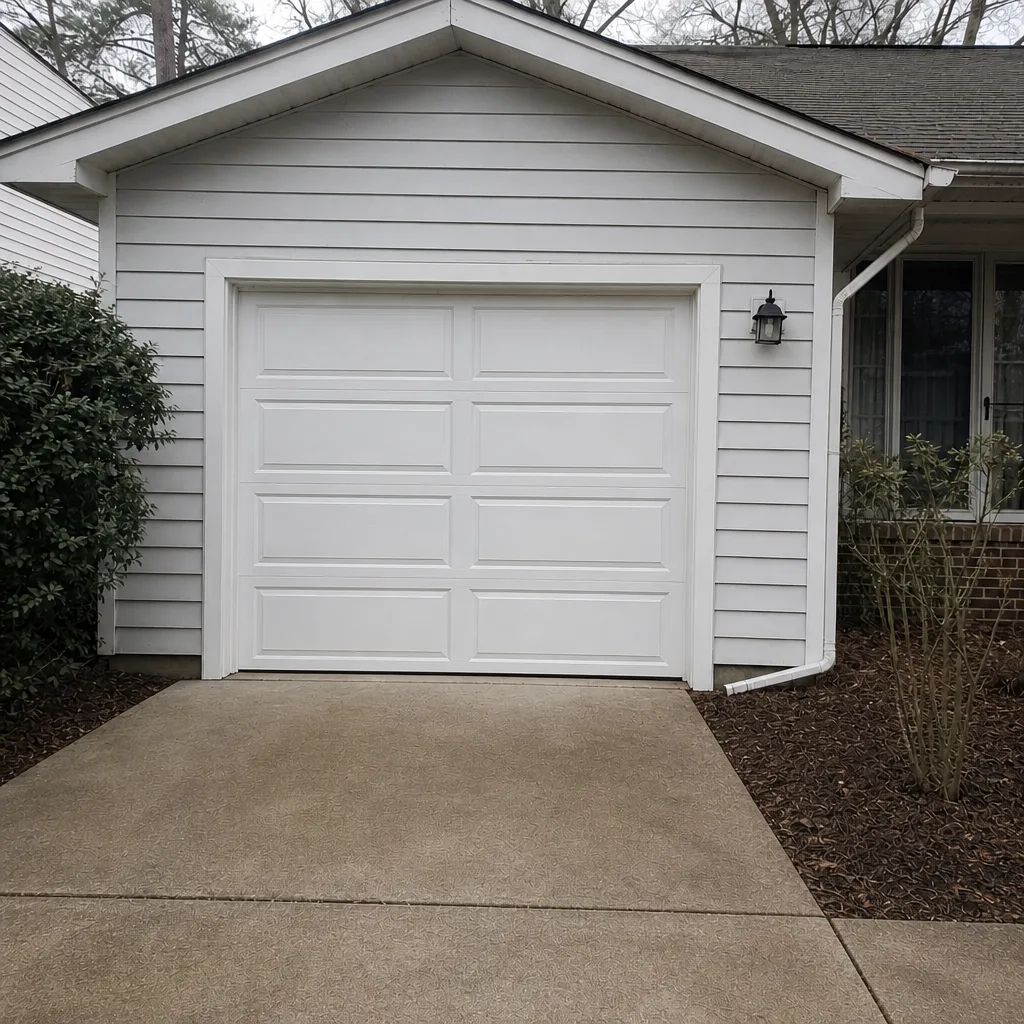 After
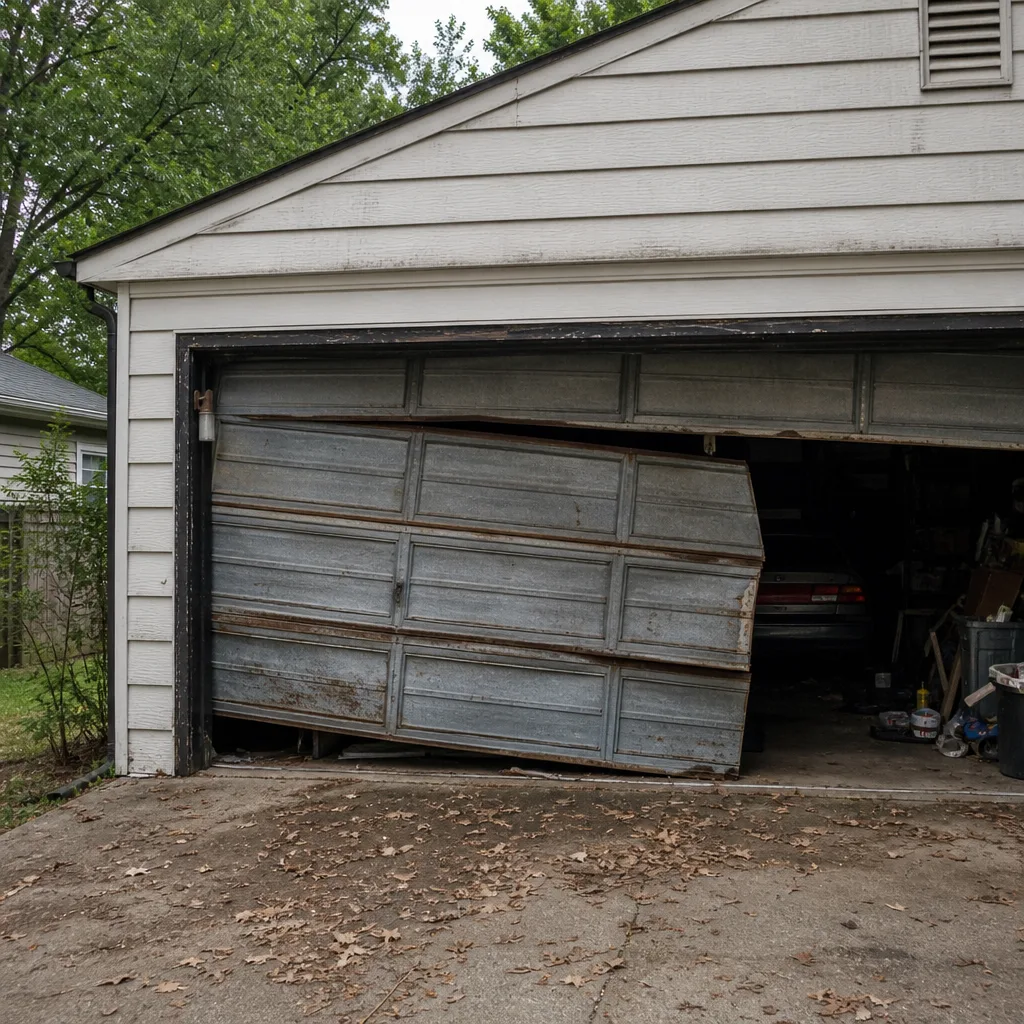 Before
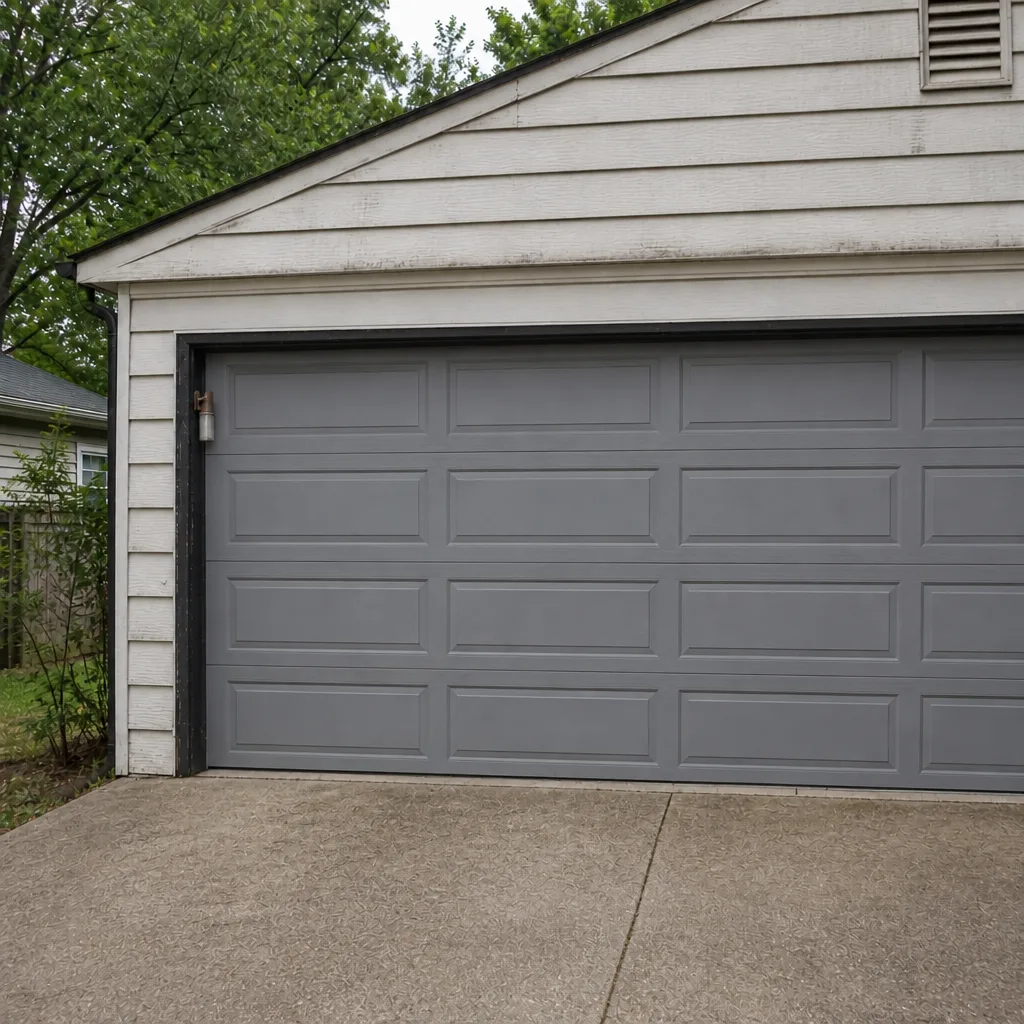 After
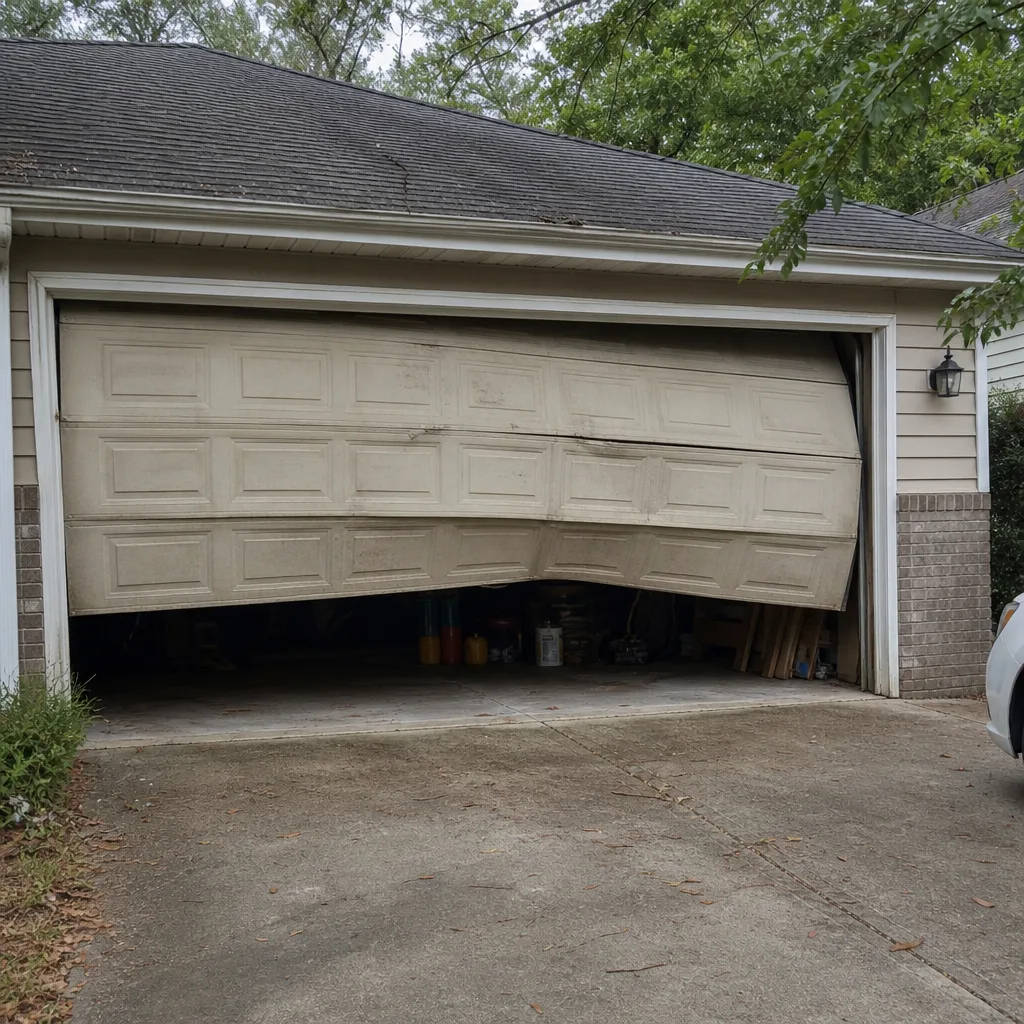 Before
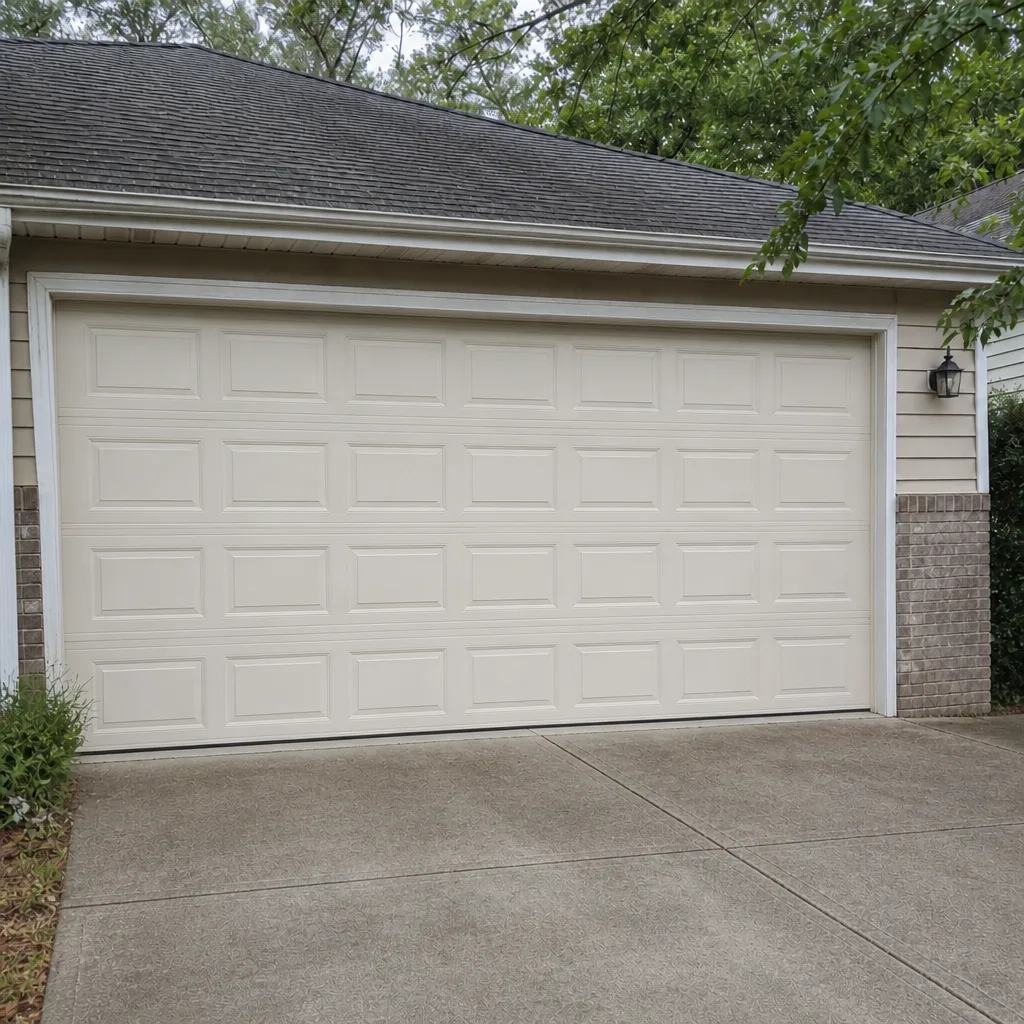 After
When to Call a Professional
Call a professional when the repair involves springs, cables, or a door that’s come off its tracks. Call when the door won’t stay up, hangs crooked, or won’t open evenly on both sides. Call if you’ve run the balance test and the door is heavy, or if opener repairs haven’t solved a problem that keeps coming back. And call if the door has stopped closing entirely, because a garage door that won’t shut leaves your home and vehicle exposed.
We work on the brand you already have, whether that’s a Raynor door, a LiftMaster opener, or something older that just needs a repair. Cary Garage Door Service offers free estimates in Cary. Call (855) 360-7403 to get a quote before any work starts. Our technicians have up to 10 years of experience, and we handle the door and the opener together so you don’t need a second provider.
Frequently Asked Questions
Garage door repair costs in Cary depend on the fault. Seal and roller replacements are the least expensive, track and opener capacitor repairs sit in the middle, and spring or cable work is at the higher end, with a matched spring pair typically costing about twice a single spring. The written estimate you get before work starts sets the final price. Call (855) 360-7403 for an exact quote, and estimates are free.
Same-day service is often possible for a door that won’t close, since that’s a security issue worth treating as urgent. We answer 24/7 and dispatch technicians from 7am to 7pm, Sunday through Friday, and we’re closed Saturday. Call (855) 360-7403 to check availability for today.
No. The price is set by a written estimate, quoted and agreed before any work begins, so you know the cost up front. If the assessment finds a different root cause than expected, we’ll explain it and give you a revised written estimate before touching anything. Call (855) 360-7403 to book a free estimate.
Yes. Our technicians are licensed and insured, and they have up to 10 years of experience working on garage doors and openers. We work on all the major brands, including LiftMaster, Chamberlain, Genie, Clopay, Amarr, Wayne Dalton, Craftsman, and Raynor. Call (855) 360-7403 with any questions about how we work.
That’s almost always a balance problem, not an opener problem. When the door is heavy or out of balance, the opener has to work much harder to lift it. Run the 30-second balance test: lift the door halfway by hand with the opener disengaged and let go. If it won’t hold, the springs need attention. Call (855) 360-7403 and we’ll check the balance before recommending any opener work.
Grinding and squealing on a Cary door often come from red clay dust in the tracks and roller channels acting like sandpaper on the rollers. Worn rollers and a dry spring assembly also cause noise. Wipe the tracks clean, lubricate the rollers and hinges with a garage door lubricant, and if the noise continues, have the rollers and tracks checked. Call (855) 360-7403 to schedule a look.
Yes. We work on the mechanical door and the electronic opener together, including smart openers with logic boards and sensors. That means a problem with your LiftMaster smart opener and a problem with the door itself are handled by the same technician, in one visit. Call (855) 360-7403 for a free estimate.
The Bottom Line
Most garage door trouble traces back to one of six root causes: springs, cables, rollers and tracks, the opener motor, the logic board or sensors, or the weather seal. Diagnosing the category first tells you whether you’re looking at a quick fix or a job for a professional, and it keeps you from paying for the wrong repair. Start with the balance test, wipe the tracks, check for daylight under the door, and rule out the cheap causes before authorizing bigger work. When the repair touches springs or cables, stop and call someone trained. Cary Garage Door Service works on the brand you already have and covers both the door and the opener, so you get the right fix the first time. Call (855) 360-7403 for a free estimate.
Written by the team at Cary Garage Door Service.