
Last updated November 14, 2026
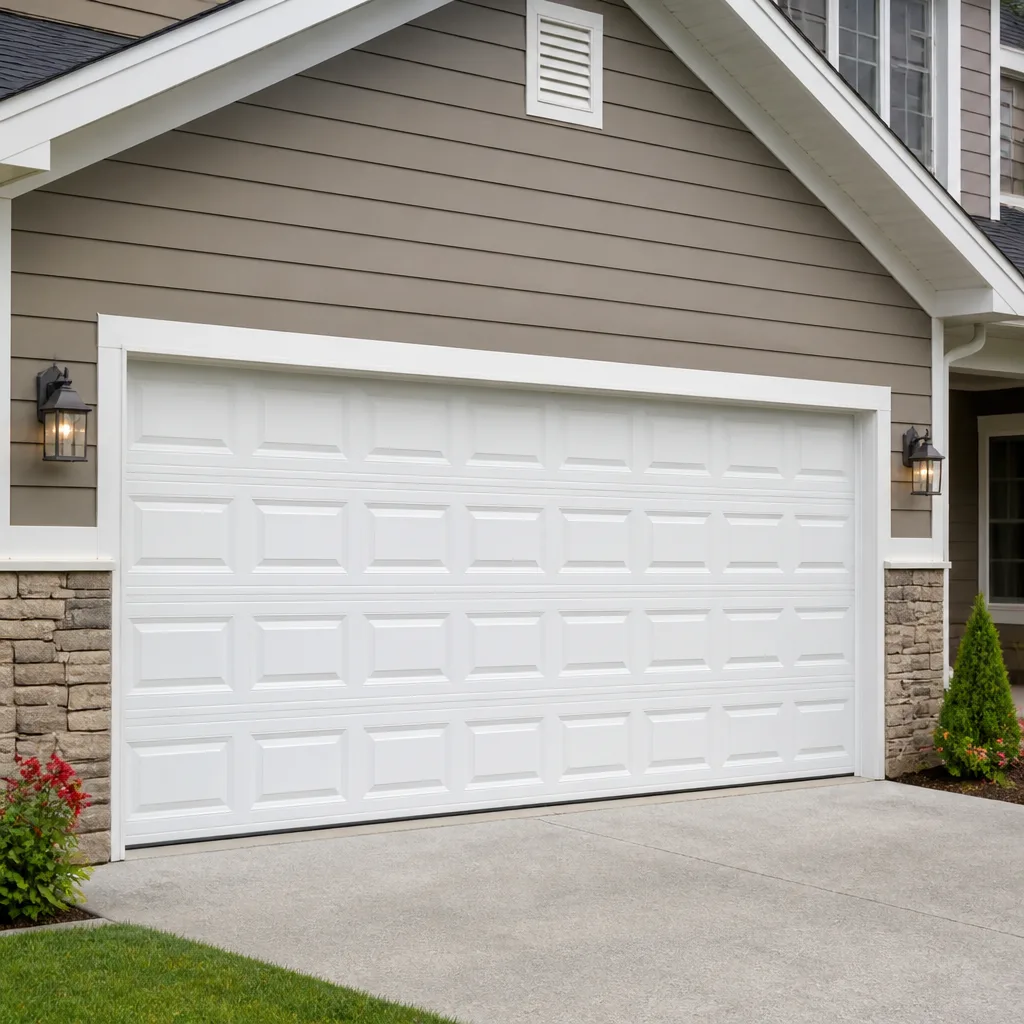 Raised-panel steel
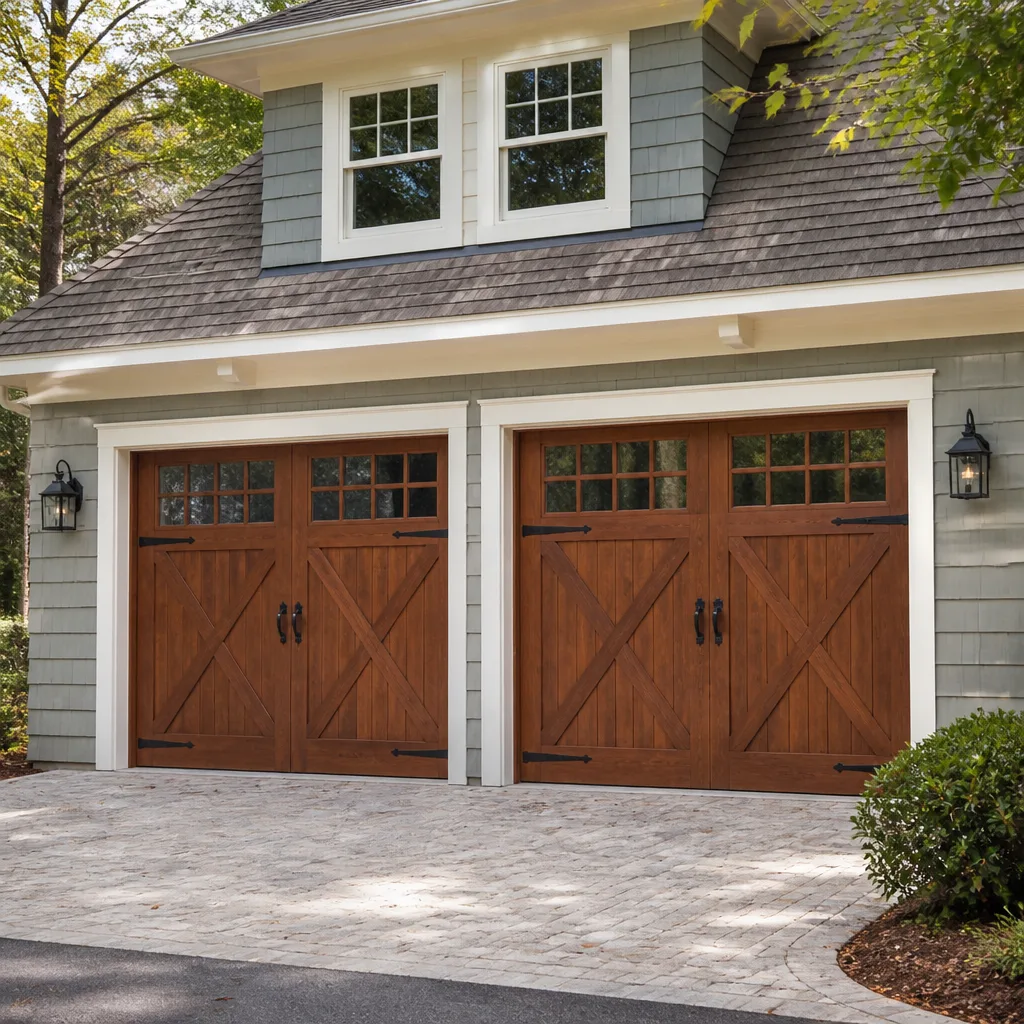 Carriage house
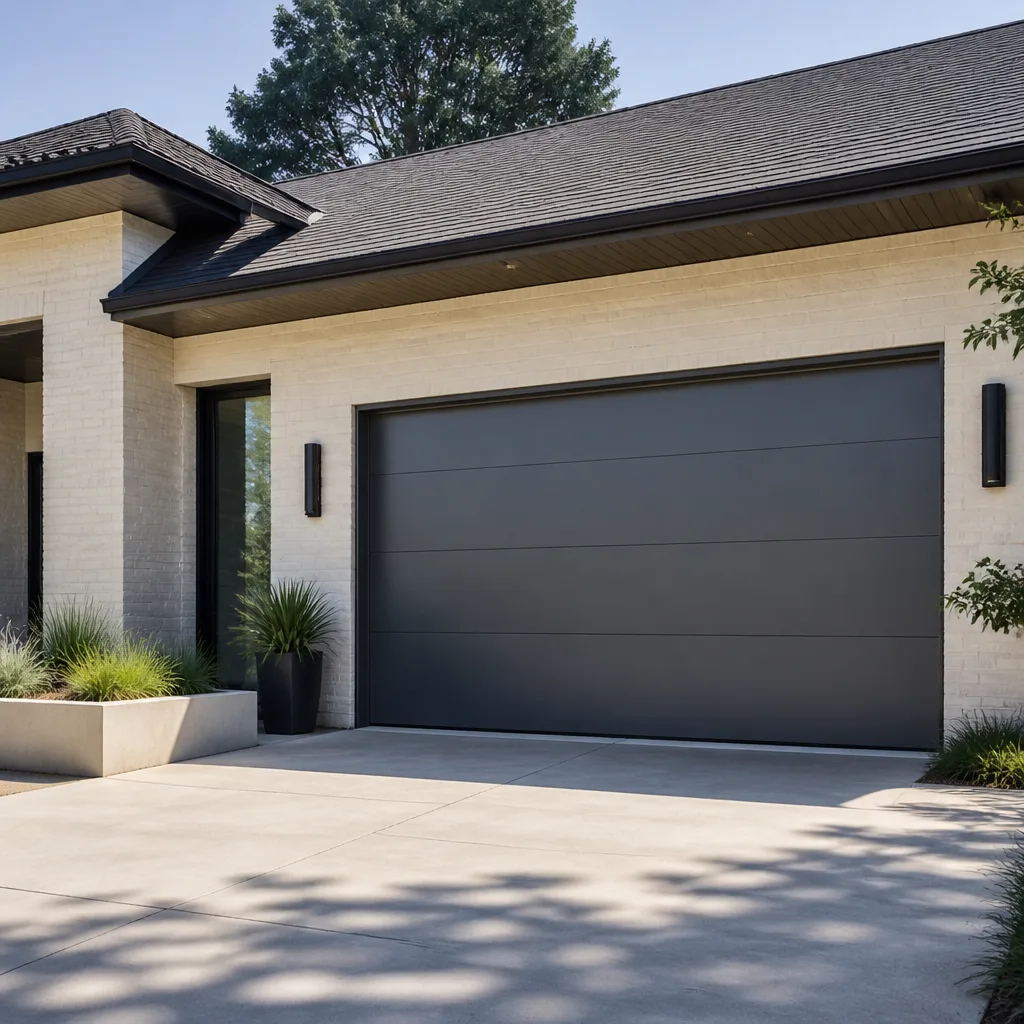 Modern flush
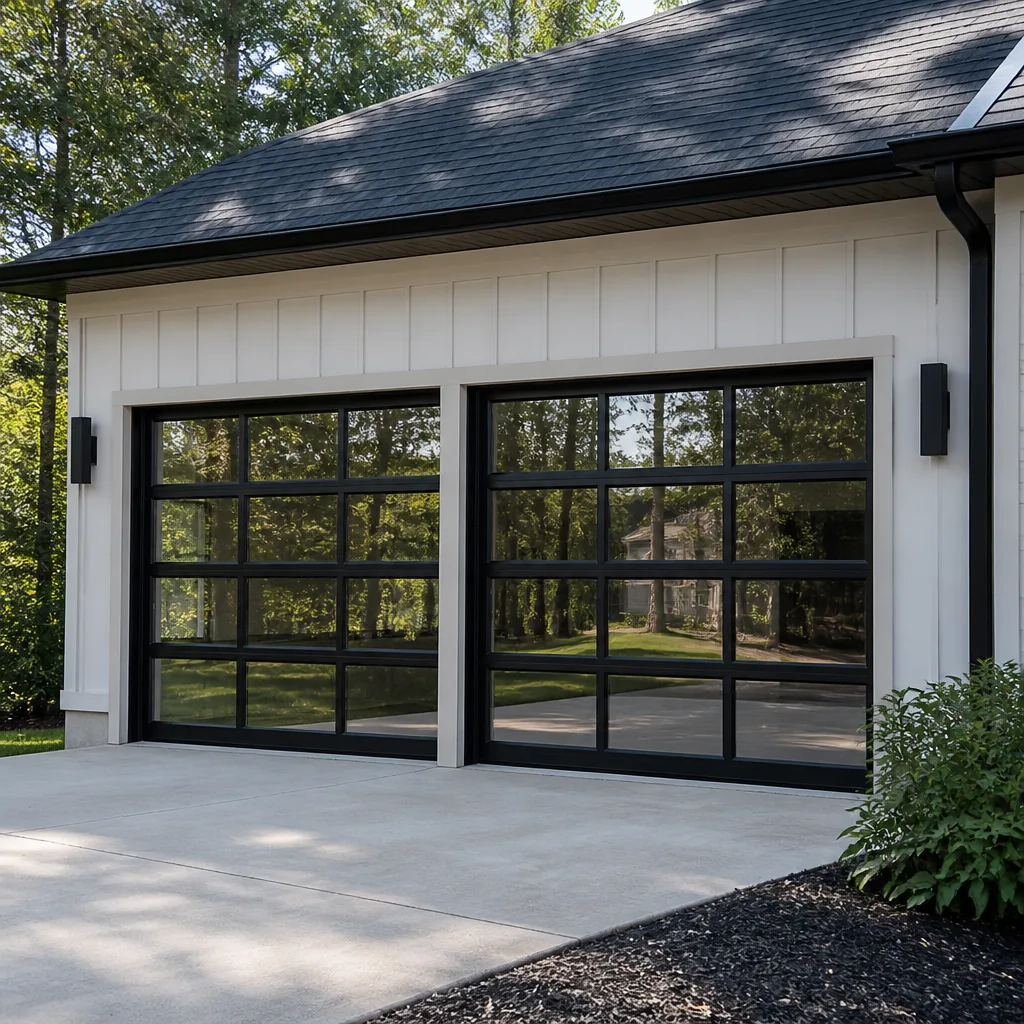 Full-view glass
 LiftMaster openers
 Chamberlain openers
Full 25-point door and opener safety check with every visit - springs, cables, rollers, tracks, and your LiftMaster or Chamberlain opener included
You get a price before we start. It does not change when the pro arrives.
Get your free estimateSeasonal Garage Door Care for Cary: Year-Round Homeowner’s Guide
January and February bring more emergency garage door calls in Cary than any other months, and it’s rarely snow. A brief overnight freeze seals weatherstripping to the concrete apron, and a homeowner who forces the door up bends the bottom bracket in the process. That turns a free fix into a real repair. Cary’s climate doesn’t match the generic four-season maintenance advice you’ll find online. Late-summer humidity spikes and short hard freezes create their own failure pattern. In this guide we’ll walk through what actually matters each season here, month by month, so your door keeps working and you know what to touch and what to leave alone.
Quick Answer
The core of seasonal garage door care in Cary is protecting the door from humidity in summer and from short freezes in winter, then clearing pollen and grit from the moving parts in spring. Lubricate the torsion springs, rollers and hinges before the first cold snap, check the weatherstripping in fall, and test the balance of the door in summer when humidity changes spring tension. Most of the work is inspection and care, not repair, and it takes less than an hour a season.
Styles & brands we work with
- Raised-panel steel
- Carriage house
- Modern flush
- Full-view glass
- LiftMaster openers
- Chamberlain openers
Table of Contents
- Fall Prep: Humidity, Wood Panels and Lubricant Viscosity
- When a Garage Door Freezes to the Ground in Cary
- Winter: Springs, Cold-Weather Behavior and What to Leave to Us
- Spring: Pollen, Tracks and Photo-Eye Sensors
- Summer: Humidity, Torsion Spring Tension and the Balance Check
- A Month-by-Month Task Calendar for Cary
- Safety Boundaries: What Homeowners Should and Shouldn’t Touch
Fall Prep: Humidity, Wood Panels and Lubricant Viscosity
Fall is the transition season in Cary where the door feels the most change. Summer humidity lingers into September, then the first cold morning arrives without much warning. That swing does more to a garage door than either season on its own. Wood panels on older doors can soak up moisture through the late summer and then dry out fast once the heat breaks, and the seams and lower rails are where we see swelling show up first. Before the cold settles in, it’s worth walking the door and running a hand along the bottom edges to feel for softness or separation.
The other fall task that matters more than most guides admit is lubrication, and specifically, choosing the right lubricant. Whatever you used in July may sit thicker on the moving parts once the temperatures drop into the thirties. A silicone or lithium-based lubricant formulated for cold weather keeps working through the winter. A general household oil or grease that flows easily in the heat can stiffen enough to slow the rollers and put extra load on the opener. If you aren’t sure what’s on there, wipe the rollers and hinges clean and start fresh.
Weatherstripping deserves a close look in October and November. The vinyl seal along the bottom of the door is what keeps cold air, wind-blown leaves and small pests out of the garage, and it also softens contact with the floor each time the door closes. A stiff or cracked seal invites the freeze-to-the-floor problem we’ll cover next, and it lets drafts reach anything stored near the door.
- Check wood panels for swelling along the bottom rail and seams
- Wipe and re-lubricate rollers, hinges, and the torsion spring (from a safe distance, never while the door is moving)
- Use silicone or cold-rated lubricant, not grease
- Inspect the bottom weatherstripping for cracks, stiffening or gaps
- Check that the door travels fully down with no gaps at the threshold
- Test the opener’s reverse function before cold weather hits
If you’re not comfortable on a ladder poking around the springs or opener rail, that’s fine. A seasonal inspection is one of the things we handle on a standard visit, and our technicians have up to 10 years of experience with the brands on your door, whether it’s a Clopay steel door or a Wayne Dalton panel setup.
When a Garage Door Freezes to the Ground in Cary
A garage door freezing to the ground is common in Cary during a January or February cold snap, and it usually happens overnight when the temperature dips below freezing for a few hours. Moisture collects under the bottom weatherstripping during the day, then the concrete apron chills and the seal sticks. In the morning the door won’t lift normally, and that’s when the trouble starts. Homeowners who yank the manual release or force the door up by hand often bend the bottom bracket or warp the bottom panel, which is far more expensive than the freeze itself.
What to do when the door is frozen:
- Stop trying to force the door up. If it won’t lift with the opener, don’t pull it by hand.
- Warm the bottom edge gently. A hair dryer on a low setting, aimed at the seal where it meets the concrete, will usually release it within a minute or two. Never use a heat gun, torch or boiling water; sudden heat can crack a vinyl seal or warp a panel.
- Once the door lifts and closes normally, dry the threshold and the underside of the seal with a towel.
- Look at the bottom weatherstripping. If it’s cracked or rock-hard, replace it before the next freeze.
- Test the opener by running the door up and down a couple of times to confirm it travels freely.
The bracket-bending mistake is worth calling out in plain terms. The bottom bracket is under the tension of the door’s weight and, on some doors, the lift cable too. It is one of the parts we tell people never to touch, even after a freeze. If the door felt stuck and now moves but doesn’t close flush or looks crooked, the problem is almost certainly past the weatherstripping and it’s time for garage door repair rather than another attempt to force it.
For short overnight freezes, a thin coat of silicone spray on the bottom seal can help prevent sticking. It’s a small thing, but it works. For longer stretches of freezing nights, keeping the garage a few degrees warmer with an interior space heater that’s rated for garage use can also help. If you’d rather have someone check the seal and bottom bracket condition before the season starts, that’s a routine call.
Winter: Springs, Cold-Weather Behavior and What to Leave to Us
Winter in Cary isn’t brutal, but it doesn’t have to be for the door to misbehave. The torsion spring, which is the big coil above the door that does the actual lifting work, is made of tempered steel that doesn’t care for dramatic temperature swings. A spring that’s been on the door for a while and is near the end of its service life can fail during a cold snap, and the symptom is unmistakable: the opener runs, but the door doesn’t move, or you hear a loud bang from the garage and find the door stuck shut.
That bang is the sound of a torsion spring letting go. When it happens, the door becomes very heavy – too heavy to lift by hand safely – and the cables are now under different tension than they were. This is the point where homeowners are tempted to try a fix from a video. Please don’t. Torsion springs and the cables that run with them are the most dangerous parts of a garage door system, and a trained technician is the only person who should be adjusting, winding or replacing them. Our team handles spring and cable work as one part of a broader garage door repair visit, and we won’t push a full replacement when a spring, roller or hinge swap gets you back up and running.
Beyond spring failure, winter brings a few smaller things to watch:
- Openers that strain audibly on the first cold morning (usually a sign of stiff lubricant)
- Lights on the opener flickering or the remote losing range (cold batteries in the remote, or the opener’s logic board reacting to temperature)
- Bottom seal sticking to the floor after overnight freezes
- Rollers squealing when they first start moving
- A door that reverses on its own before touching the ground
If your door reverses unexpectedly or the opener light blinks in a pattern you don’t recognize, that’s worth a quick call. A LiftMaster or Chamberlain opener that’s throwing a code isn’t malfunctioning; it’s telling you something specific. Our garage door opener repair work covers all the major opener brands, so the technician already knows what that code is telling them.
Spring: Pollen, Tracks and Photo-Eye Sensors
Spring in the Triangle brings an unbelievable amount of pollen, and it gets into places that matter for a garage door. The vertical tracks, the horizontal tracks, the rollers, and especially the photo-eye sensors at the bottom corners of the opening all collect a fine yellow film that changes how things work. Pollen mixed with a little humidity becomes sticky, and sticky tracks slow the door, wear the rollers, and eventually trigger the opener’s safety reverse. The photo-eye sensors are the most common casualty. A light dusting of pollen on the lenses can make them fail intermittently, and the opener interprets that as an obstruction.
Spring task list:
- Wipe down both photo-eye lenses with a dry microfiber cloth. Do this at least once during pollen season, maybe twice.
- Run a clean rag along the inside of both vertical tracks and both horizontal tracks. You’re not trying to polish them, just remove the film.
- Clear any debris from the floor where the door lands. Pollen, leaves and grit under the seal wear the bottom weatherstripping.
- Check the safety reverse. Place a 2×4 flat on the floor under the door and run it down; the door should reverse on contact.
- Check the photo-eye alignment. Wave a hand in front of each sensor and confirm the opener light doesn’t blink and the door still closes.
- Re-lubricate hinges and rollers with a light application after cleaning the tracks.
One thing homeowners sometimes do that we’d steer you away from: spraying silicone or grease on the tracks themselves. The tracks should stay clean and dry, not lubricated. Lubricated tracks attract dust and pollen, and once that grit builds up, the rollers ride on grit instead of clean steel. If your door squeals in spring, the noise is almost always at the rollers or hinges, not the tracks. If it lingers after a clean and lube, that’s when a technician should look at the roller wear and hinge condition.
Cary’s pollen season is short, so this is a two-week job, not a month-long one. A quick clean in early April and again in early May covers most of it.
Summer: Humidity, Torsion Spring Tension and the Balance Check
The heat and humidity of a Cary summer change how a garage door feels to the opener, and often in ways that mimic other problems. Wood components swell slightly, steel panels expand, and lubricant thins out. Torsion springs, which are what make the door lift easily, are affected by temperature in a subtler way. A spring that was perfectly counterbalanced in April may feel slightly off in July, and the door may feel heavier or lighter at different points in its travel. That’s not a failure; it’s the door reacting to its environment.
The balance check is the summer task that tells you whether the door is working with or against its opener. Here’s the version we ask homeowners to do:
- Close the door fully and disconnect the opener using the manual release cord. This lets you feel the door’s actual weight.
- With both hands, lift the door to about halfway and let it go gently.
- A balanced door should stay put, or drift only slightly. If it slams down or feels very heavy going up, the springs need adjustment or replacement.
- Reconnect the opener by running it and letting the trolley re-engage the door.
If the balance check shows a problem, don’t try to adjust the torsion spring yourself. This is the point where we see the most avoidable injuries, and a trained technician is the right call, both for your safety and for getting the door truly balanced. Our team can adjust, re-balance or replace a torsion spring as part of a garage door repair visit and we’ll tell you honestly whether adjustment is enough or replacement is needed.
Summer is also when the bottom weatherstripping shows its age. Heat softens vinyl, and a seal that was fine in March may now be drooping or flattened. Walk the door and look for gaps when it’s down. If you’re having the door repainted or touching up a Clopay or Amarr steel door, do it now, before the fall humidity makes paint cure unevenly.
A Month-by-Month Task Calendar for Cary
The generic four-seasons maintenance approach doesn’t fit our climate. Here’s the schedule we suggest for a home in Cary, tuned to how the weather actually moves here. It’s not a rigid to-do list; if a month’s task is already done, skip it. The point is to catch the same issue at the same point every year.
- January: Watch for freeze-sticking. Test the door lift each cold morning before pulling out. Do not force a stuck door. Check the opener’s light code if anything seems off.
- February: Peak freeze risk. Keep the bottom seal dry and consider a light silicone spray. If a spring fails, call us rather than trying a fix.
- March: First pollen wave starts. Wipe the photo-eye sensors, clear the door threshold, run the door up and down slowly to check for track noise.
- April: Peak pollen. Clean the tracks, re-lubricate rollers and hinges, and run the safety reverse test.
- May: Second pollen wave. Clean again. This is a good month to check the balance of the door before humidity climbs.
- June: Summer humidity begins. Run the balance check with the opener disconnected. Listen for new noises.
- July: Humidity stays high. Watch the bottom seal for drooping. If the opener feels strained, check the rollers.
- August: Re-lubricate. Check weatherstripping condition for the upcoming fall. Look for wood swelling on older doors.
- September: Humidity lingers but starts to break. Inspect wood panels carefully. Plan a re-lubrication before cold weather.
- October: Fall prep. Use cold-rated lubricant. Inspect the weatherstripping. Test the reversal feature.
- November: Last call before freezes. Check the seal, check the balance, listen for unusual sounds.
- December: Cold weather settled in. Watch for sticking, and make sure the opener is behaving on cold mornings.
Written out like that it looks like a lot, but most months are a ten-minute inspection. The heavier work happens twice: April and October. If you’re in Cary and the year has gotten away from you, a single seasonal reset visit covers the essential checks in one pass.
Safety Boundaries: What Homeowners Should and Shouldn’t Touch
Some parts of a garage door are safe for homeowners to clean, lubricate or inspect. Others are genuinely dangerous, and knowing the difference is what keeps a maintenance task from turning into a repair or an injury. The springs, cables and bottom bracket are in the second category. They’re under high tension at all times, and even when the door is down, releasing the wrong part can cause serious harm. This isn’t a disclaimer; it’s the practical reality of every garage door we’ve worked on.
Safe for homeowners:
- Cleaning tracks with a dry rag
- Wiping photo-eye lenses
- Re-lubricating rollers and hinges with a light application
- Testing the safety reverse with a 2×4
- Checking weatherstripping condition
- Running the balance check by hand with the opener disconnected
Leave to a trained professional:
- Torsion spring adjustment, winding, or replacement
- Cable replacement or re-tensioning
- Bottom bracket repair after a freeze incident
- Roller replacement on doors where the track is out of alignment
- Opener logic board or motor replacement
- Any door you can’t lift safely by hand
If a technician on our team arrives at a Cary home and finds a spring that needs work, we’ll quote it before any tool comes out. Our technicians have up to 10 years of experience, and one thing we’ve learned is that the door tells you what it needs. It doesn’t tell you it needs a new door when a spring, hinge or roller swap is what’s called for.
Common Mistakes to Avoid
- Forcing a frozen door up by hand. This is the single most common winter mistake we see in Cary. It bends the bottom bracket and can warp the bottom panel. A hair dryer on the seal is the fix, not a hard pull.
- Lubricating the tracks. The tracks should stay clean and dry. Lubricant attracts pollen and grit and turns the tracks into grinding surfaces. Lubricate the rollers and hinges, not the track steel.
- Using the wrong lubricant for fall. A lubricant that flows well in July can stiffen in a January cold snap. Switch to silicone or a cold-rated product before the first freeze.
- Ignoring photo-eye sensors during pollen season. Sensors with a light pollen film fail intermittently, and the opener interprets that as an obstruction. Clean them once pollen is in the air, then again a few weeks later.
- Skipping the balance check. If the door is heavier than it should be, the opener compensates and works harder, which shortens its life. The balance check tells you when to schedule a spring adjustment.
- Replacing a door when a repair is enough. We work on the brand you already have. A Craftsman door with a worn roller isn’t asking for a replacement; it’s asking for rollers. If you’d rather understand the repair-versus-replace decision before calling, this is a good moment to look at how garage door repair covers wear parts.
- Adjusting the torsion spring on your own. It’s not a skill you pick up from a video. The stored energy in a torsion spring can hurt you quickly, and a mistake can leave the door un-usable and more expensive to fix.
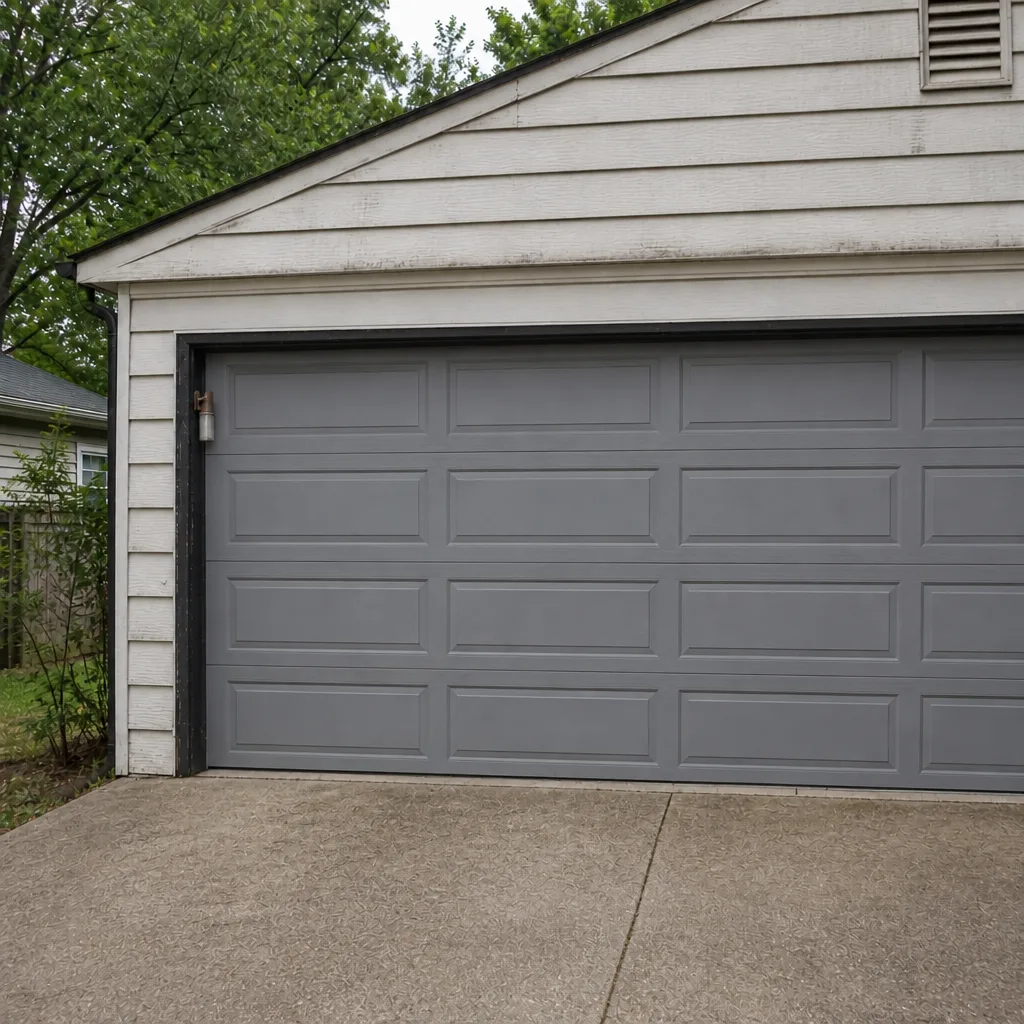
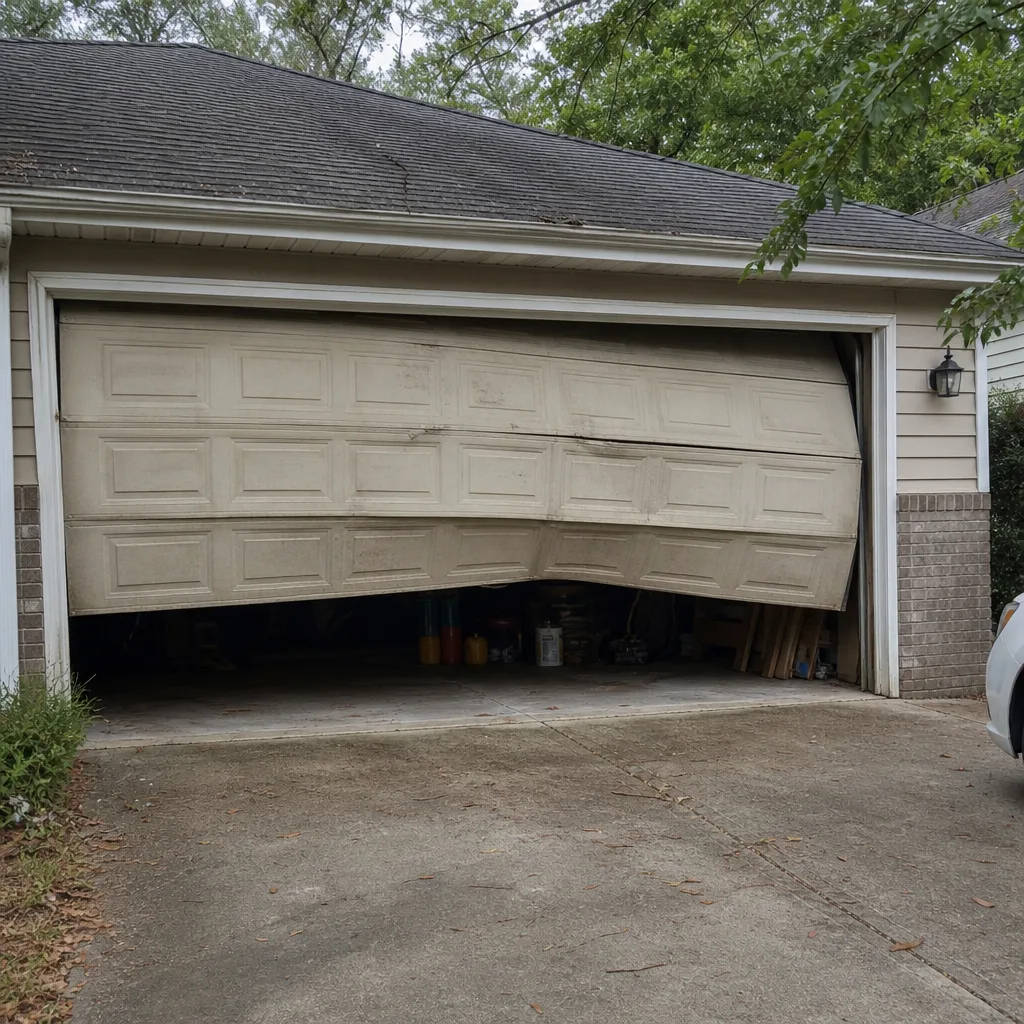
See the difference
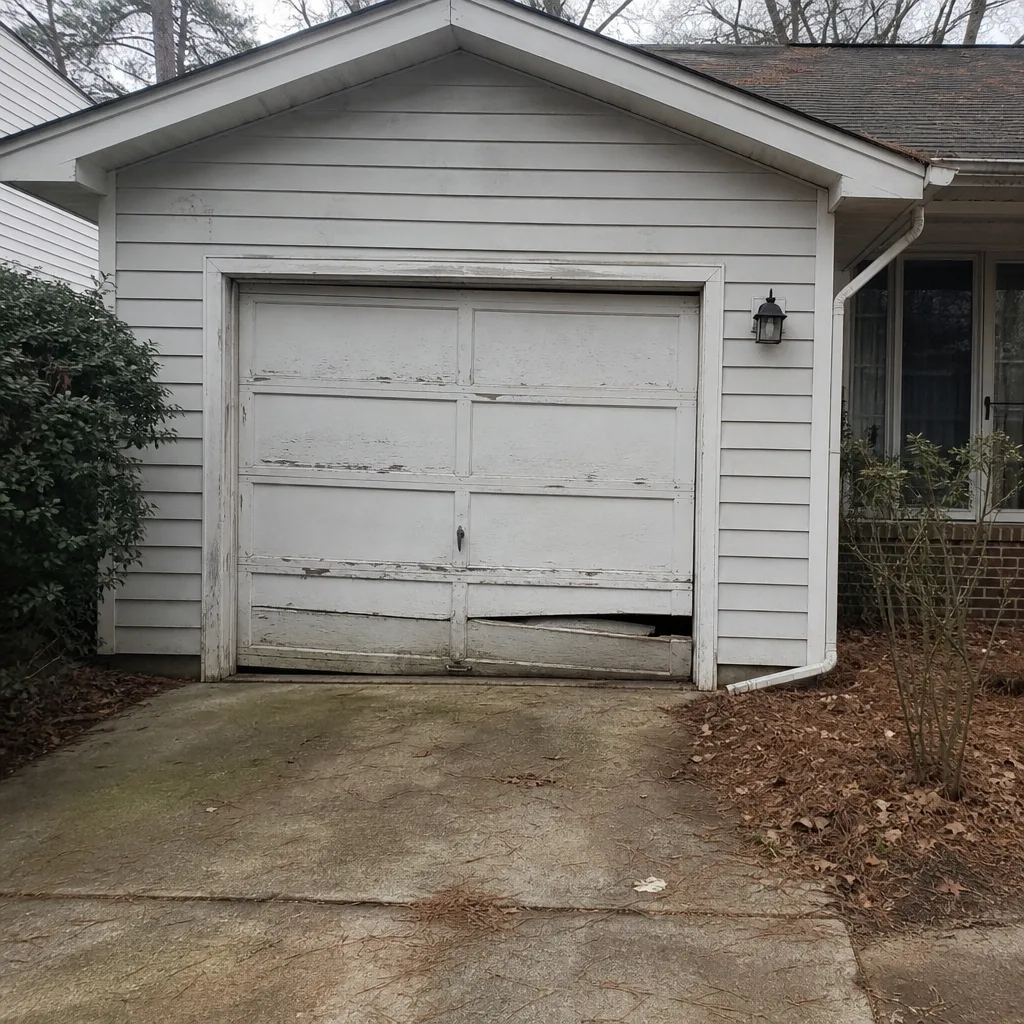 Before
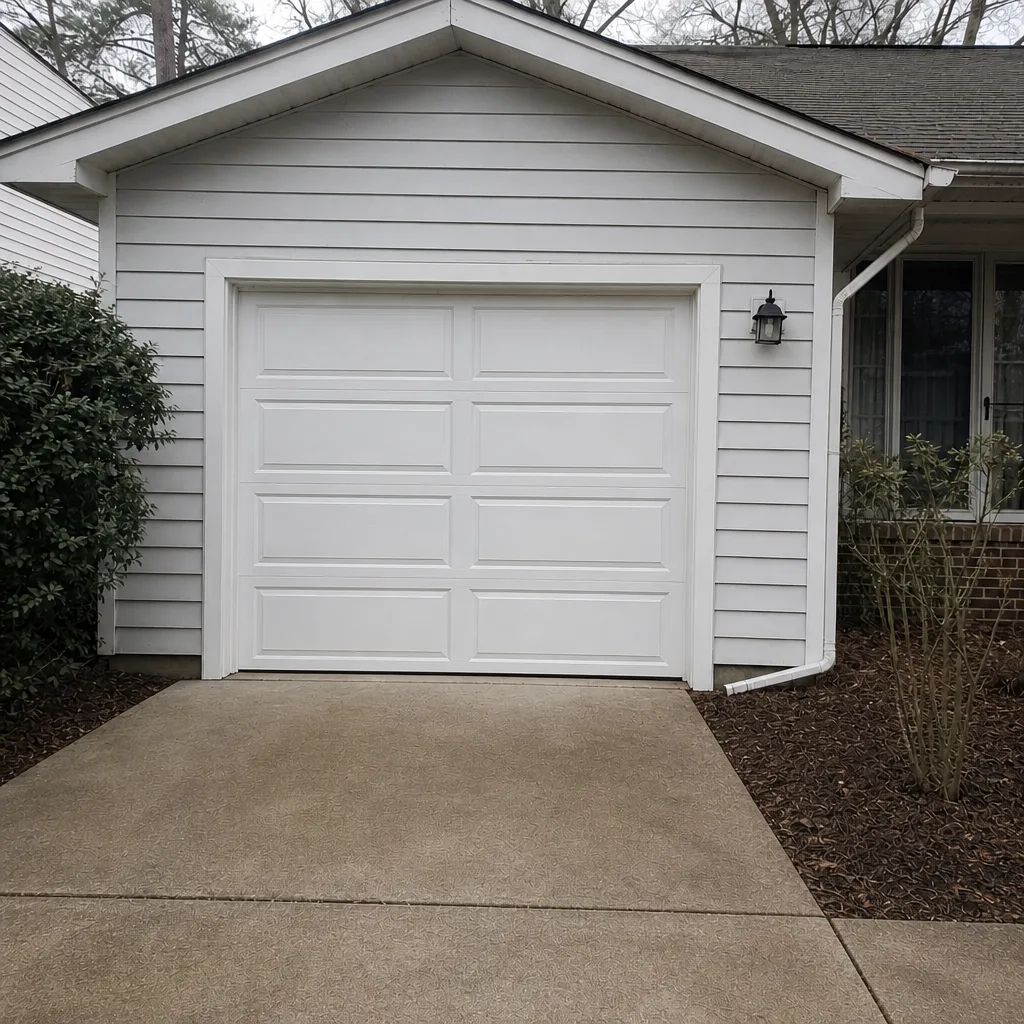 After
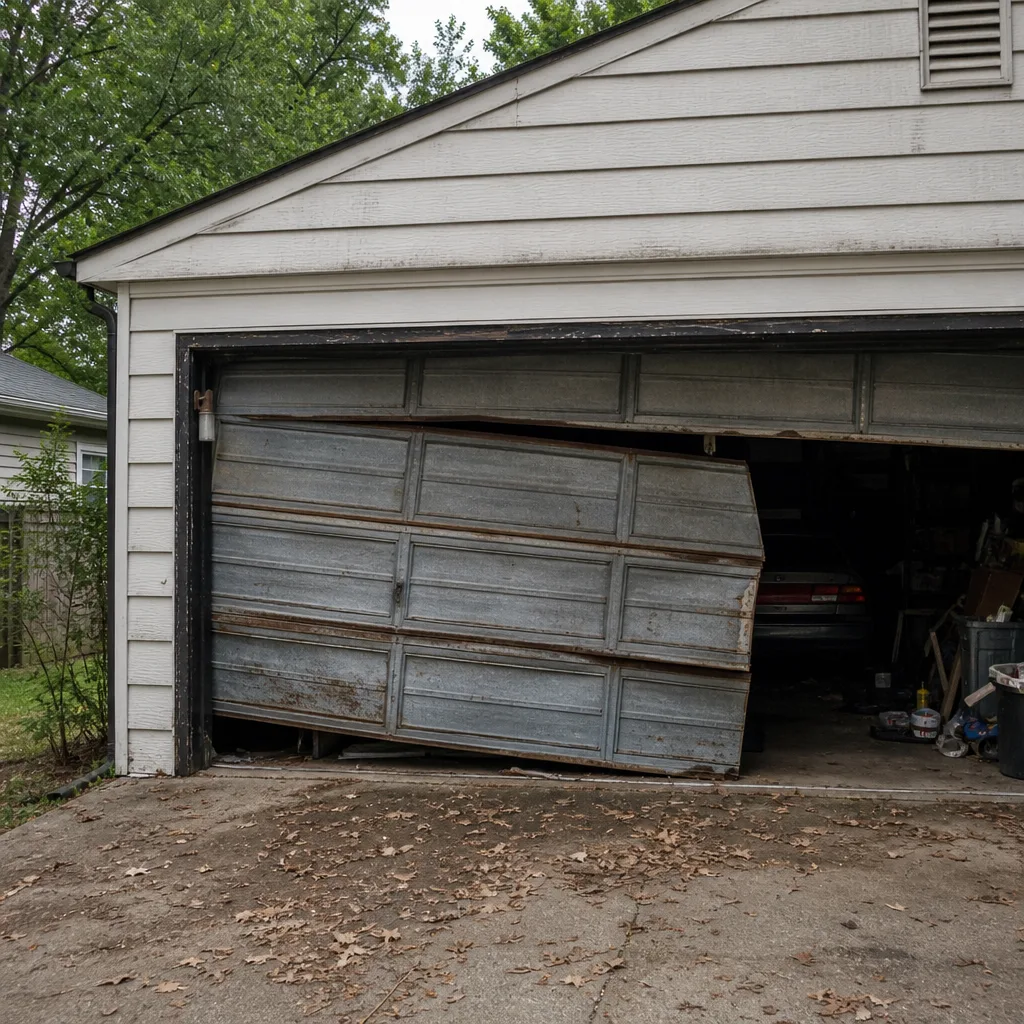 Before
 After
 Before
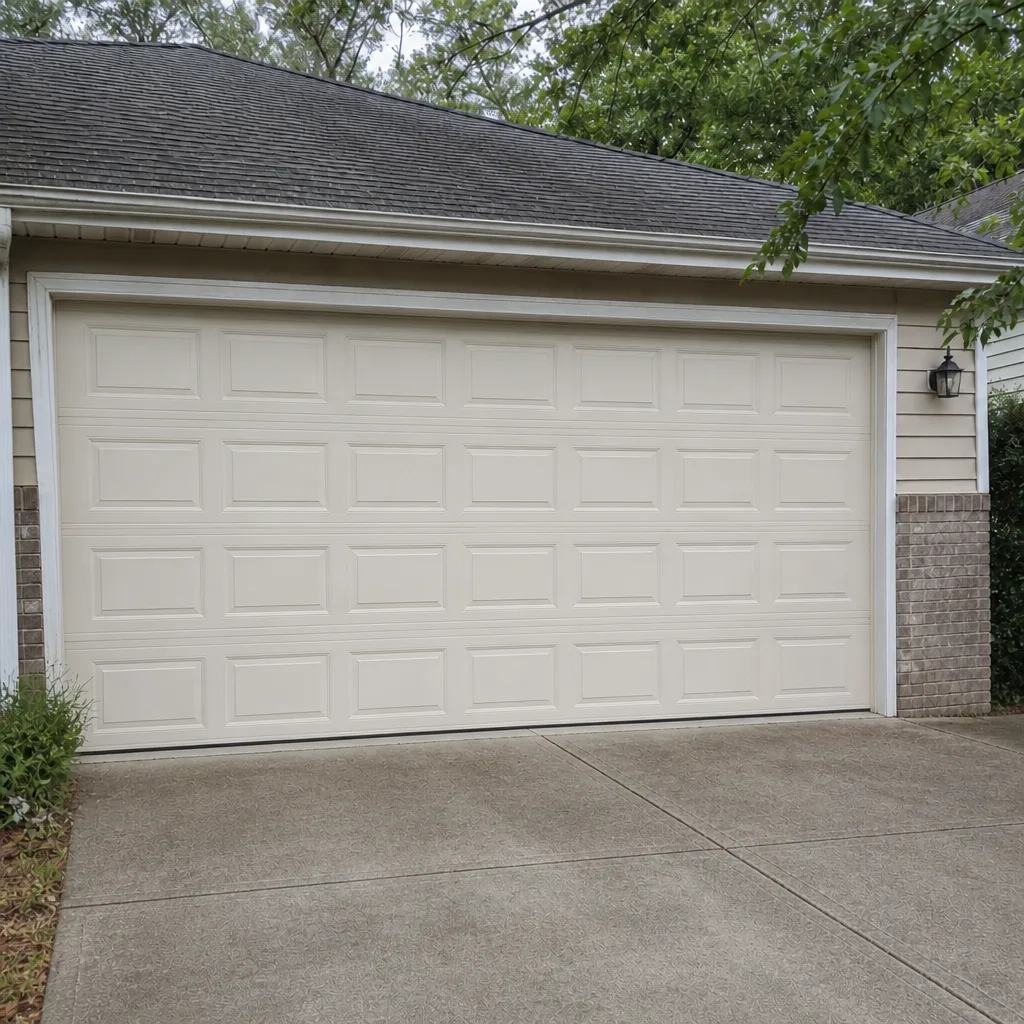 After
When to Call a Professional
Call a garage door technician when the door won’t lift normally, when the opener runs but the door doesn’t move, or when you hear a loud bang from the garage. Call if the door reverses before it touches the ground and the safety reverse test fails, or if the photo-eye sensors stay misaligned after a clean. Call if the door has become noticeably heavier or harder to lift, if the tracks look bent or you see a kink in a cable, or if the bottom bracket has been damaged by a freeze incident. Call if the opener light is blinking in a code pattern you can’t identify, or if the opener is more than a decade old and starting to strain. If you’ve had an attempted DIY repair, call before the door gets used again.
Cary Garage Door Service offers free estimates in Cary – call (855) 360-7403. We answer 24/7. Fast dispatch from 7am to 7pm, Sunday through Friday. We work on the brand you already has – LiftMaster, Chamberlain, Genie, Clopay, Amarr, Wayne Dalton, Craftsman and Raynor – and the estimate is quoted and agreed before any work starts.
Frequently Asked Questions
Once a year is enough for most homes in Cary, ideally in fall before the first freeze. If your door is older, wood-paneled, or has been through a spring failure, twice a year – spring and fall – is reasonable. The seasonal inspections above handle most of it, and a professional service visit fills in the parts you can’t safely check yourself.
Moisture between the bottom weatherstripping and the concrete apron freezes overnight, and the seal sticks to the floor. Don’t force the door up; that’s what bends the bottom bracket. A hair dryer on a low setting aimed at the seal usually releases it in a minute or two, and a light silicone spray on the seal can help prevent it next time.
No. The tracks should stay clean and dry. Lubricant on the tracks attracts dust, pollen and grit, which wear the rollers faster. Lubricate the rollers, hinges and the spring only, and keep the tracks to a dry wipe.
Yes. If a DIY repair or an incomplete fix has left the door out of alignment or the bracket bent, we’ll assess what’s wrong and quote a repair. Our goal is to fix or correctly match what you have, not to push a replacement because a previous repair didn’t get finished.
We’re certified on LiftMaster, Chamberlain, Genie, Clopay, Amarr, Wayne Dalton, Craftsman and Raynor. That covers most of what’s on Cary homes, from budget steel doors up through mid-range and premium lines. If you’re not sure of your brand, the technician can identify it during the visit.
Yes. Call (855) 360-7403 for a free estimate. We answer 24/7. Fast dispatch from 7am to 7pm, Sunday through Friday. The written estimate sets the price, and the price is agreed before any work starts.
The Bottom Line
Cary’s climate doesn’t reward generic seasonal maintenance advice. The failures we see here come from transitions – humidity that swells wood and changes spring feel, brief hard freezes that seal weatherstripping to concrete, and pollen that quietly disables photo-eye sensors in spring. The good news is that this is a manageable list. Fall and spring are your two heavier months; the rest are quick inspections. Set a reminder for April and October, don’t force a frozen door, don’t lubricate the tracks, and don’t touch the springs. Everything else, a trained technician can handle on a single visit, and the year-to-year cost of maintenance is far lower than a door replacement triggered by a bent bracket or a snapped spring.
If your door is due for a seasonal reset, or if any of the scenarios in this guide match what you’re seeing, call Cary Garage Door Service at (855) 360-7403 for a free estimate. We work on your brand, we repair first when a repair is what’s called for, and we’ll quote the price before any work starts.
Written by the team at Cary Garage Door Service.