
Last updated November 14, 2026
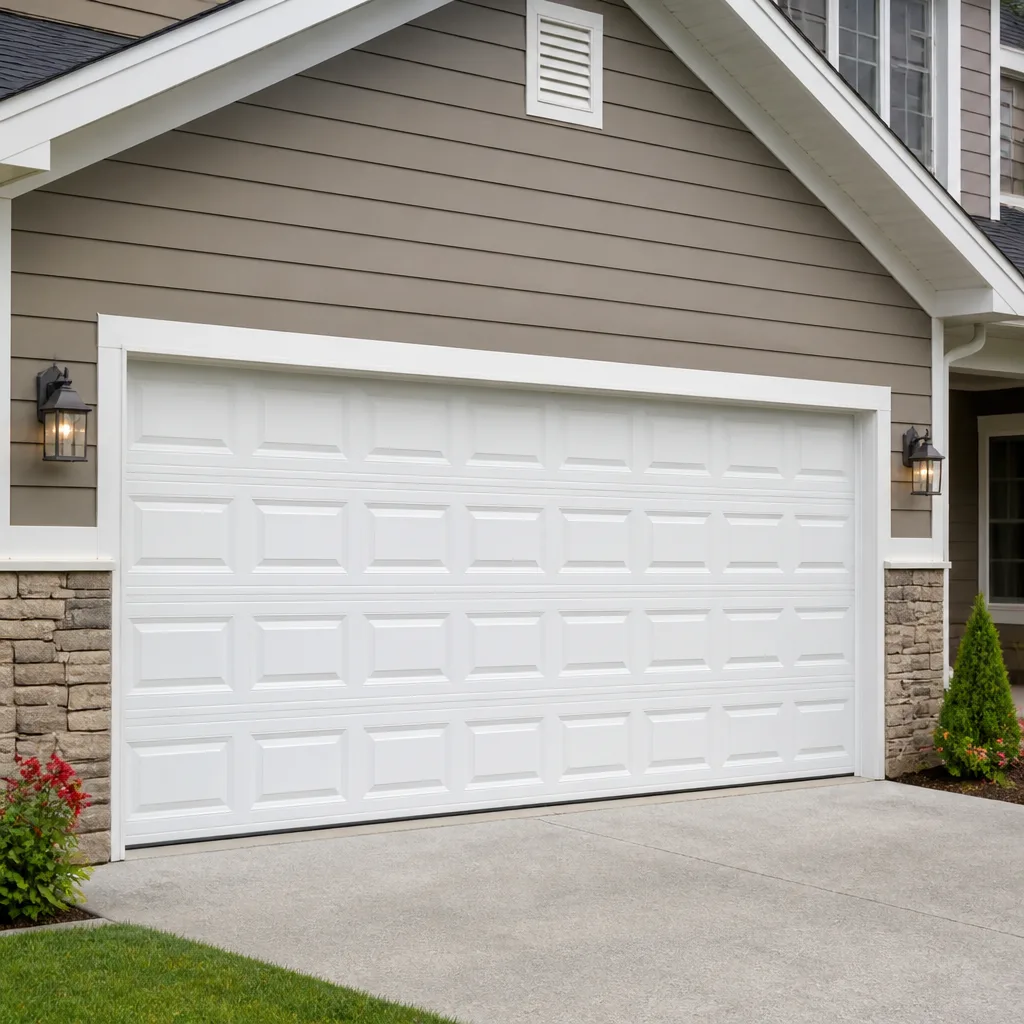 Raised-panel steel
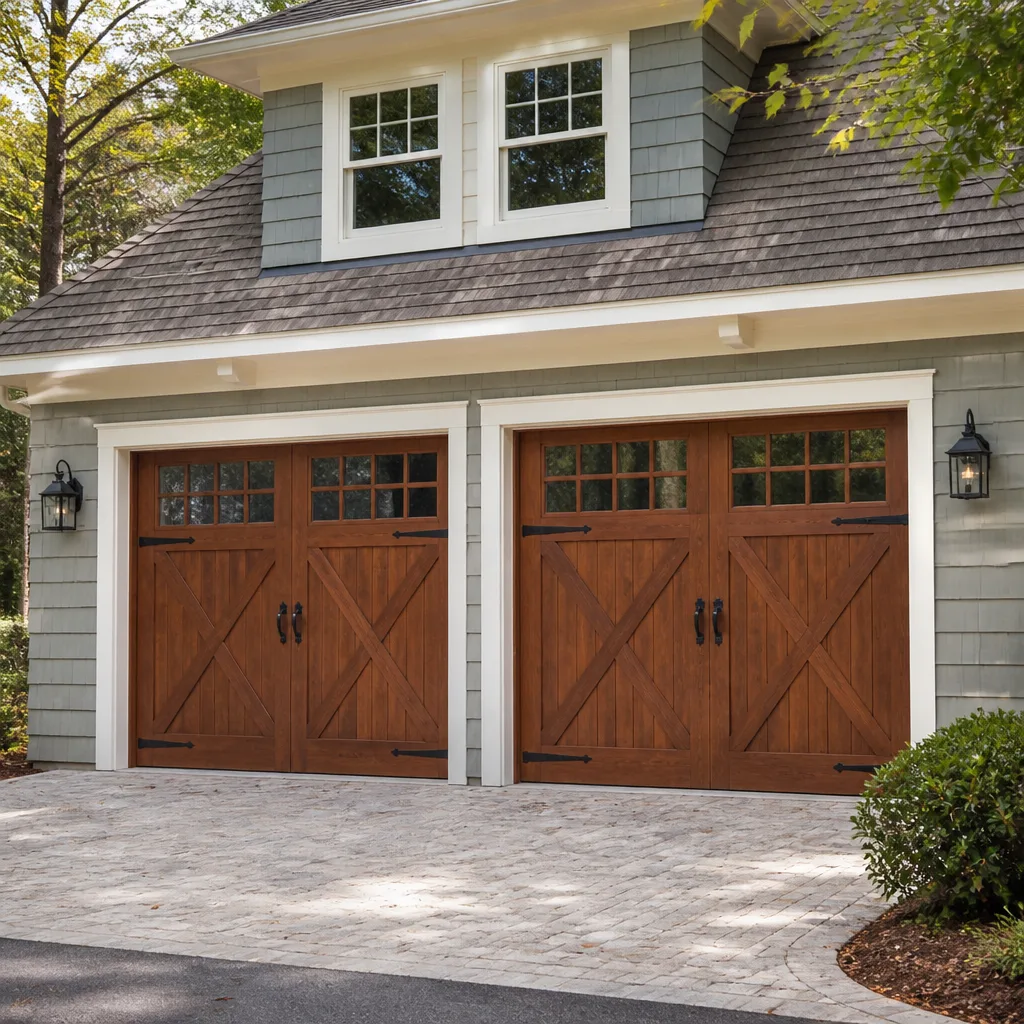 Carriage house
 Modern flush
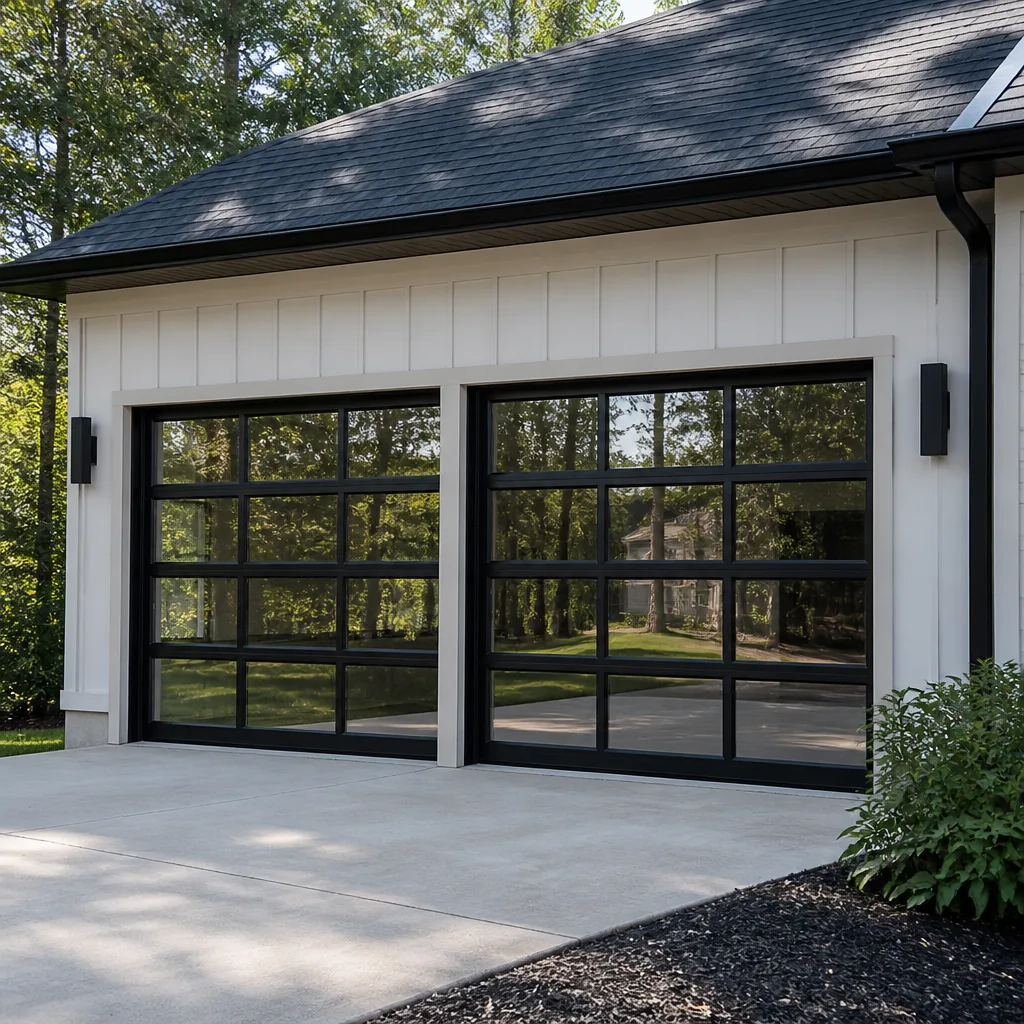 Full-view glass
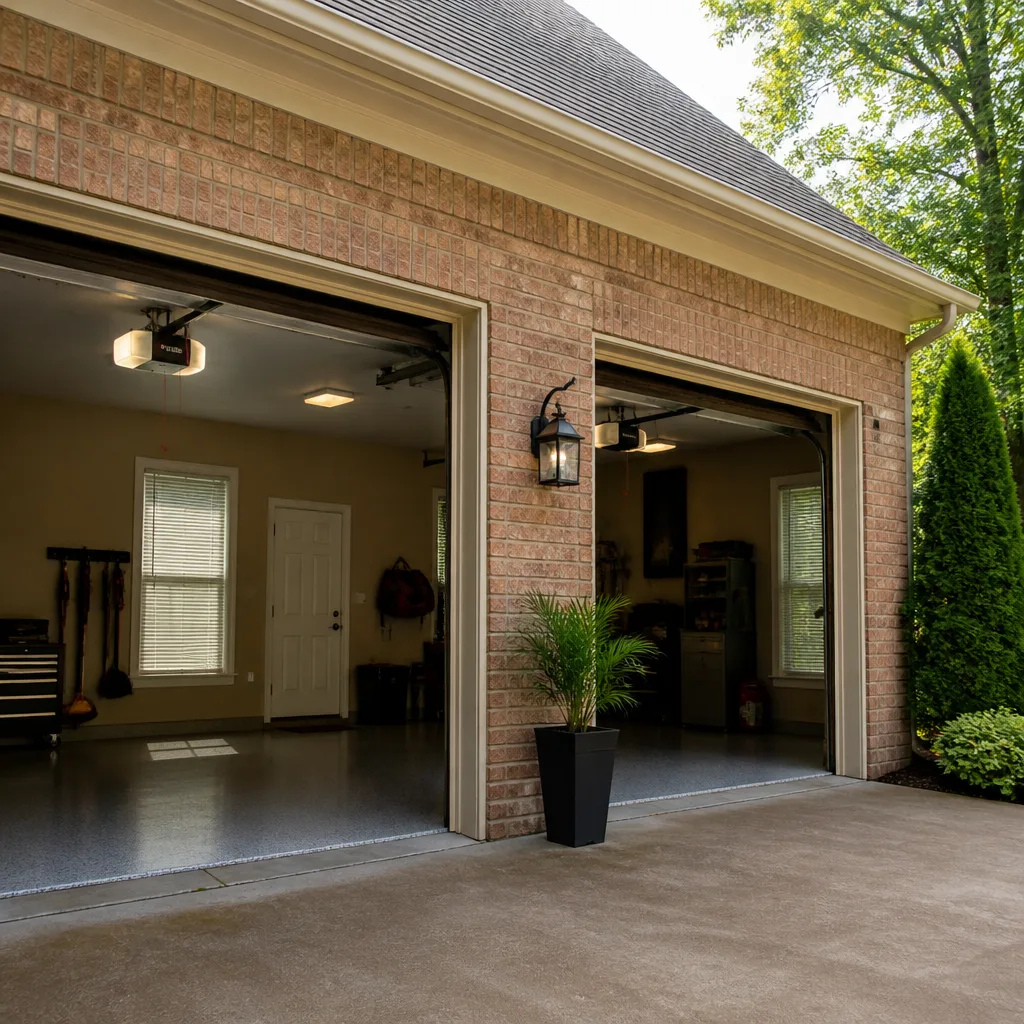 LiftMaster openers
 Chamberlain openers
Full 25-point door and opener safety check with every visit - springs, cables, rollers, tracks, and your LiftMaster or Chamberlain opener included
You get a price before we start. It does not change when the pro arrives.
Get your free estimateDIY vs Professional Garage Door: The Cary Homeowner’s Decision Guide
Most garage door advice splits into two useless camps: “never touch it, call a pro” and “YouTube it, you’ll be fine.” Both miss the point. The real question isn’t your skill level. It’s whether the specific task in front of you puts stored mechanical energy near your hands. Replacing a bottom seal and swapping a torsion spring are both “garage door repair,” but one takes twenty minutes with a wrench and the other can break a wrist before you’ve decided to let go. This guide maps the actual risk of each job so you can make an informed call in your own Cary garage.
Quick Answer
About two-thirds of common garage door jobs are genuinely safe to do yourself: sensor alignment, lubrication, remote programming, weatherstripping, and roller replacement. Spring and cable work is where DIY stops being reasonable, because those parts hold tension strong enough to injure you in an instant if released wrong. Everything else sits in the middle and depends on your door’s configuration, and it helps to know Cary homes carry a mix of older wood doors and newer steel ones that behave very differently.
Styles & brands we work with
- Raised-panel steel
- Carriage house
- Modern flush
- Full-view glass
- LiftMaster openers
- Chamberlain openers
Table of Contents
- The Task-by-Task Risk Matrix
- The Two Jobs That Are Actually High-Risk
- Where DIY Saves You Real Money
- How Your Specific Door Changes the Math
- Opener Work: More DIY-Friendly Than You’d Think
- What to Have Ready Before You Call a Pro
- Cary-Specific Factors
- Common Mistakes to Avoid
The Task-by-Task Risk Matrix
Every garage door job falls into one of three buckets. Bucket one, low risk, involves no tensioned parts and no climbing. Bucket two, medium, involves parts under moderate load or requiring a ladder and some coordination. Bucket three, high, involves the torsion spring or the cable system. Only bucket three carries the “don’t do this yourself” warning, and only for good reason.
- Low risk: Sensor alignment, safety reverse testing, lubrication, remote and keypad programming, weatherstripping replacement, bottom seal replacement, visual inspection, track bolt tightening.
- Medium risk: Roller replacement, track straightening, opener motor swap, opener rail mounting, cable guard installation. These involve moderate force and some ladder work but no stored spring energy.
- High risk: Torsion spring replacement, extension spring replacement, cable replacement, cable drum removal, and any adjustment to the counterbalance system.
The distinction matters because the same marketing language surrounds all of it. A homeowner told “garage doors are dangerous, call a pro” tends to call a pro for a $12 sensor fix and then gets spooked off a spring they never should have touched anyway. Reading the risk honestly is how you spend money in the right places.
The Two Jobs That Are Actually High-Risk
Torsion springs and cable drums are the genuine no-go zone. A torsion spring is a coiled steel bar held under significant rotational tension, and that tension is what counterbalances the entire weight of the door. When you loosen the wrong set screw, the tension releases whatever way the spring is coiled, and that release is too fast for reflexes to catch.
Why torsion springs are different from every other part
A torsion spring is holding back the weight of the door at all times, and reinstalling one requires winding the new spring to an exact number of turns calibrated to the door’s size and weight. Get the turns wrong and the door falls or the spring fails early. There’s no partial version of this job. Either you know the door’s specifications and have the winding bars and the door is secure while you work, or you don’t.
What’s dangerous about cables and drums
Cables are under tension whenever the spring is, which means they’re never safe to remove on a door that hasn’t been fully de-tensioned first. A snapped cable whipping loose is a serious injury. Cable drum work also requires knowing exactly how the cable seats on the drum, which varies by door. The honest answer for both jobs is that experience matters more than tools. Our technicians have up to 10 years of experience, and spring and cable work is a large share of what we do on garage door repair calls.
If your door’s spring is broken (the door feels extremely heavy, the opener strains, you hear a loud bang from the garage), stop using the opener. Call for help and let a technician handle it.
Where DIY Saves You Real Money
These are the jobs where a homeowner with basic tools and a weekend morning genuinely does the work well. None of them involve tensioned parts, none require climbing on the door itself, and all are forgiving of a first-timer.
- Safety sensor testing and realignment. The sensors (the two eyes near the floor on either side of the door) light up when aligned. If they’re misaligned or dusty, the door won’t close fully or reverses immediately. Cleaning the lenses and nudging the brackets into alignment takes minutes.
- Lubrication. A light application of garage-door-specific lubricant on the rollers, hinges, and tracks keeps the system quiet and reduces wear. Once or twice a year is enough, and the “right” amount is sparing.
- Remote and keypad programming. Most openers can learn a new remote or a new keypad code without opening the motor housing. The instructions differ across LiftMaster, Chamberlain, and Genie units, but they’re documented and straightforward.
- Weatherstripping and bottom seal replacement. Old, cracked weatherstripping lets in drafts, water, and Cary’s share of pollen and insects. A new seal slides into the existing retainer or pulls out and gets replaced with a compatible size. Nothing under tension.
- Visual inspections. Look at the springs, cables, rollers, hinges, and track for rust, fraying, or sagging once a season. Catching a worn cable before it snaps is worth the ten minutes.
These five jobs, done twice a year, prevent the majority of premature wear. If you want to save money on a garage door in Cary, this is where to start rather than talking yourself into a spring replacement.
How Your Specific Door Changes the Math
A 1950s wood door with extension springs along the sides has a different risk profile than a modern steel door with a torsion spring centered over the header. Determine which you have before you decide anything else.
- Torsion spring (one horizontal spring centered over the door): Higher tension, harder adjustment, essentially no DIY for spring work. Anything not touching the spring is fine.
- Extension springs (two springs along the top side tracks): Older design, often found on homes from the 1970s through 1990s. Cables on this system are still dangerous. Extension springs are slightly more “visual” for a homeowner to inspect but still not something to remove.
- Brand matters more than people think: Clopay and Amarr doors use standard hardware but different spring sizing by panel weight, so aftermarket parts made for a different door brand can be wrong. Whether it’s a Clopay door or an Amarr door, the spring needs to be calibrated to what’s actually installed.
- Door weight and size: A single-car door weighs less than a double-car door, and a double door’s spring and opener load more. If you have a larger door, the DIY margin gets smaller for medium-risk jobs.
- Age: Older doors have rusted fasteners, sagging tracks, and non-standard hardware. A job that’s easy on a new door can turn into an afternoon of stripped bolts on a 25-year-old one.
If you’re not sure which system you have, take a photo of the entire interior side of the door from the middle of the garage. A photo tells a technician more in ten seconds than five minutes of description.
Opener Work: More DIY-Friendly Than You’d Think
Openers generally get lumped into “call a pro” territory alongside springs, which is unfair. An opener is electrical, and electrical work requires respect, but most opener problems are not about the unit’s internal wiring. They’re about programming, alignment, and power.
What’s reasonable to try yourself
- Reprogramming a remote or keypad after a power outage or battery change.
- Reconnecting the safety sensors after someone bumped one with a bike or a trash can.
- Checking the outlet the opener plugs into and resetting a tripped breaker or GFCI.
- Adjusting the opener’s force and travel limits using the unit’s own adjustment screws, which are marked and documented.
- Testing the safety reverse by placing a small board under the door and confirming it reverses on contact.
Where to stop
Once you’re opening the motor housing, messing with the logic board, or replacing the opener itself, the calculus changes. The opener is a heavy unit mounted overhead, and removing and reinstalling one safely takes two people and a ladder. If your current opener is a LiftMaster or a Genie and the motor has failed, that’s a job for a trained technician, and it’s where garage door opener repair calls belong. The same team can look at the door and the opener together, which matters because half the “the opener is broken” calls we see in Cary are actually a door-side issue the opener is just reporting.
What to Have Ready Before You Call a Pro
If you’ve hit a wall on a DIY attempt, the best thing you can do is describe the state of the job accurately. A technician who knows what they’re walking into brings the right parts and gives a more accurate quote. Here’s how to prep.
- Describe exactly what’s been disassembled. “I removed the bottom bracket on the left side” is very different from “I took some bolts off.”
- List any parts removed and where they are now. Bag them and note which track or hinge each came from.
- Note the door’s current position. Is it fully up, halfway, fully down, or stuck crooked? Is it held by anything right now?
- Photograph the springs, cables, and drum. A clear photo of the current state saves a return trip.
- Confirm the door brand and, if visible, the model sticker on the door or opener. Clopay, Amarr, and Genie, for example, often label their components.
- Do not run the opener. If the door’s counterbalance is compromised, running the opener can damage the motor and make the situation harder to fix.
- Be honest about the attempt. We don’t care that you tried it. We care about the accurate state of the door so the repair matches.
Fair pricing requires an accurate picture. And the price is quoted and agreed before any work starts. If you like knowing exactly what you’re paying for upfront, describe the job in detail when you call.
Cary-Specific Factors
Cary’s housing stock runs from 1990s subdivisions off Harrison Avenue to newer construction west of town, and the doors reflect that. Homes built in the ’90s and early 2000s very often have LiftMaster or Genie openers paired with a matching steel door. Newer builds lean toward larger two-car doors, which means heavier springs and more load on the opener. Older homes in the downtown Cary area sometimes still have wood panel doors with the more visible extension spring setup.
The local climate matters too. Cary’s humid summers and freeze-thaw swings in winter work on wood doors and on the paint around metal ones. Pollen season drives homeowners to replace weatherstripping more often here than in drier places, and that’s a genuinely easy DIY job. Rust on hinges, rollers, and track fasteners is a common inspection finding and something a homeowner can spot on a five-minute check.
Building departments across the Triangle typically treat garage door replacement as permit-worthy work, so if you’re moving toward a full door replacement rather than a repair, ask your city’s building department what’s required. Repair and adjustment generally don’t need a permit, but replacement often does, and it’s worth a phone call to confirm before scheduling anything.
Any local estimate you get should reflect Cary’s market specifically, not a national average. We work in Cary across all three of our service categories: repair, opener repair, and installation. When we quote a job, we quote it against what we know is normal here, and we tell you what you’re paying before we start.
Common Mistakes to Avoid
- Running the opener on a door with a suspected broken spring. The opener isn’t designed to lift the door without counterbalance help. Once the spring is gone, the opener motor strains and can fail or strip the drive gear.
- Replacing one torsion spring and not the other. Springs wear in pairs. A matched pair is typically replaced together, and installing one new spring next to an old one puts uneven load on the system and usually means the second failure is close behind.
- Spraying the tracks with heavy grease. Grease traps Cary’s pollen and dust and quickly turns into grit. Tracks get cleaned and lubed sparingly, not greased like a bearing.
- Adjusting the safety sensors by bending the brackets. The sensors are optical devices with specific mounting. Bending the bracket usually makes alignment worse, and the sensor is often just dirty or knocked loose.
- Assuming every “opener won’t respond” issue is the opener. A door out of balance, a broken spring, or a bad sensor will all stop the opener from working. Diagnosing the door first saves the cost of a new opener you didn’t need.
- Tightening every bolt on the tracks. Over-tightened track bolts can pull the track slightly out of true and bind the rollers. Snug is the right torque.
- Buying aftermarket springs online by door size only. Torsion springs are sized by wire gauge, inner diameter, and length, and getting one of those wrong means the door will be unbalanced or won’t stay up. Brand-and-weight-specific sizing is why a technician measures before ordering.
See the difference
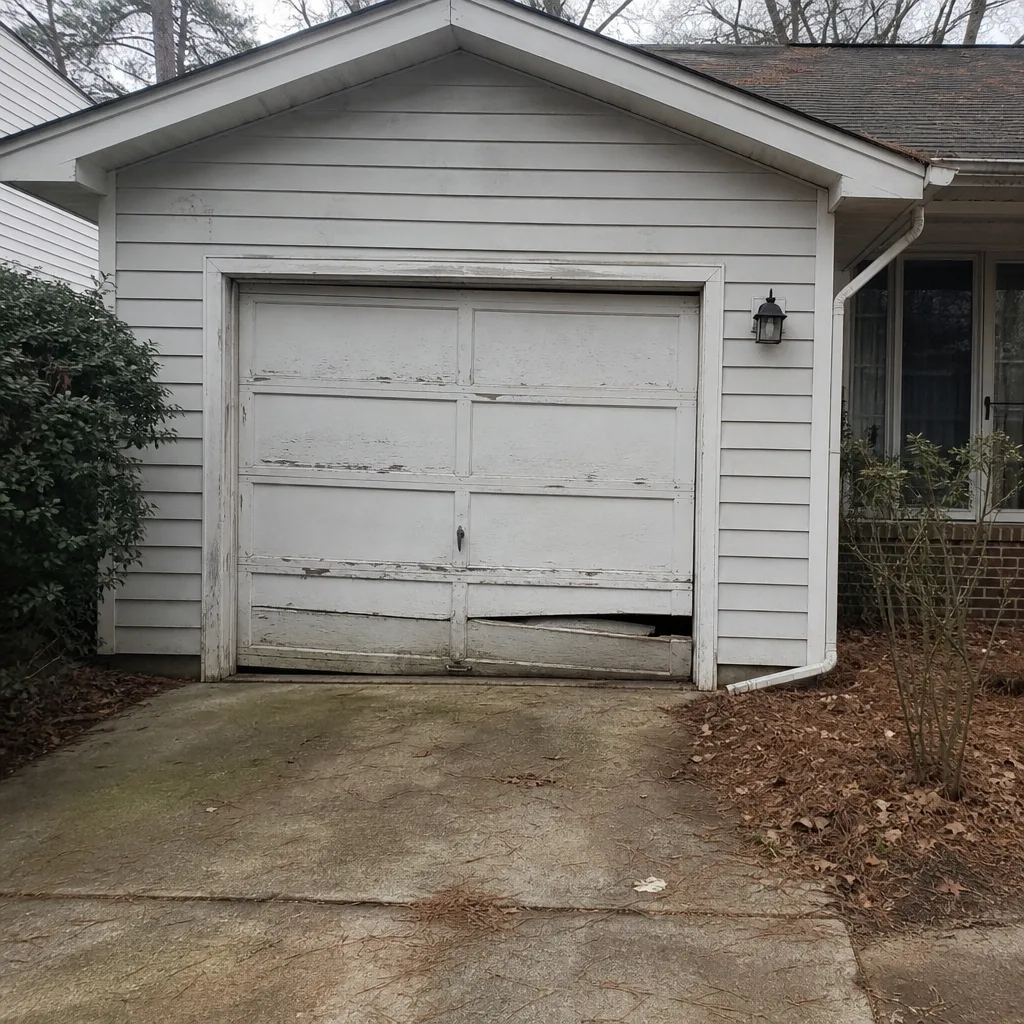 Before
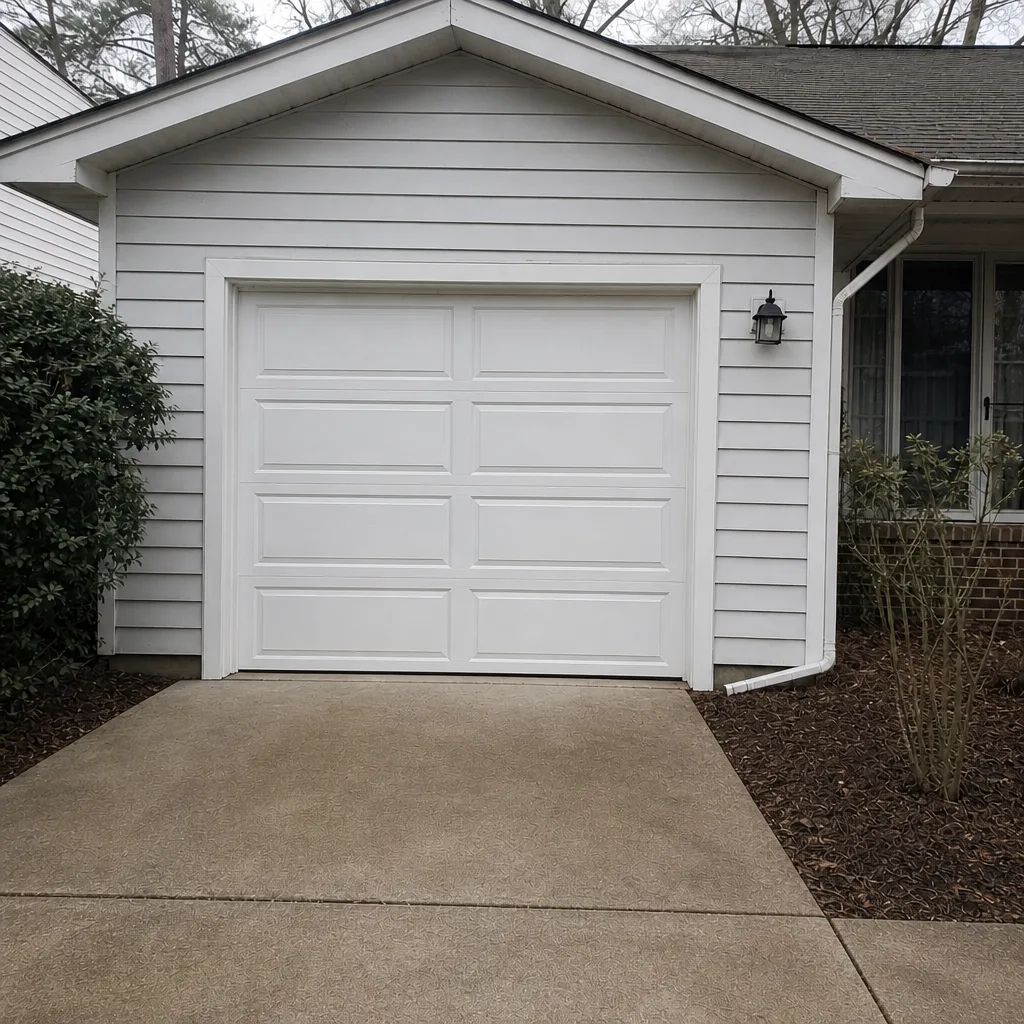 After
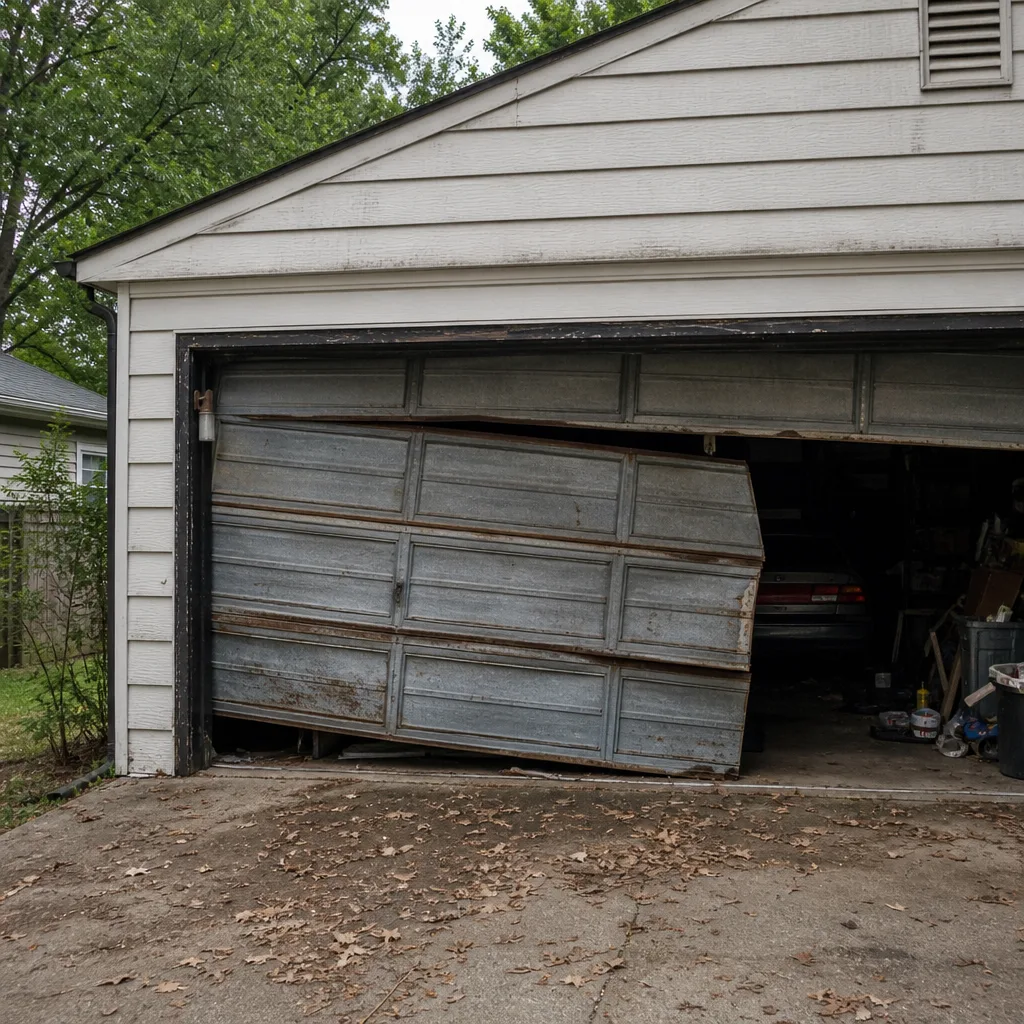 Before
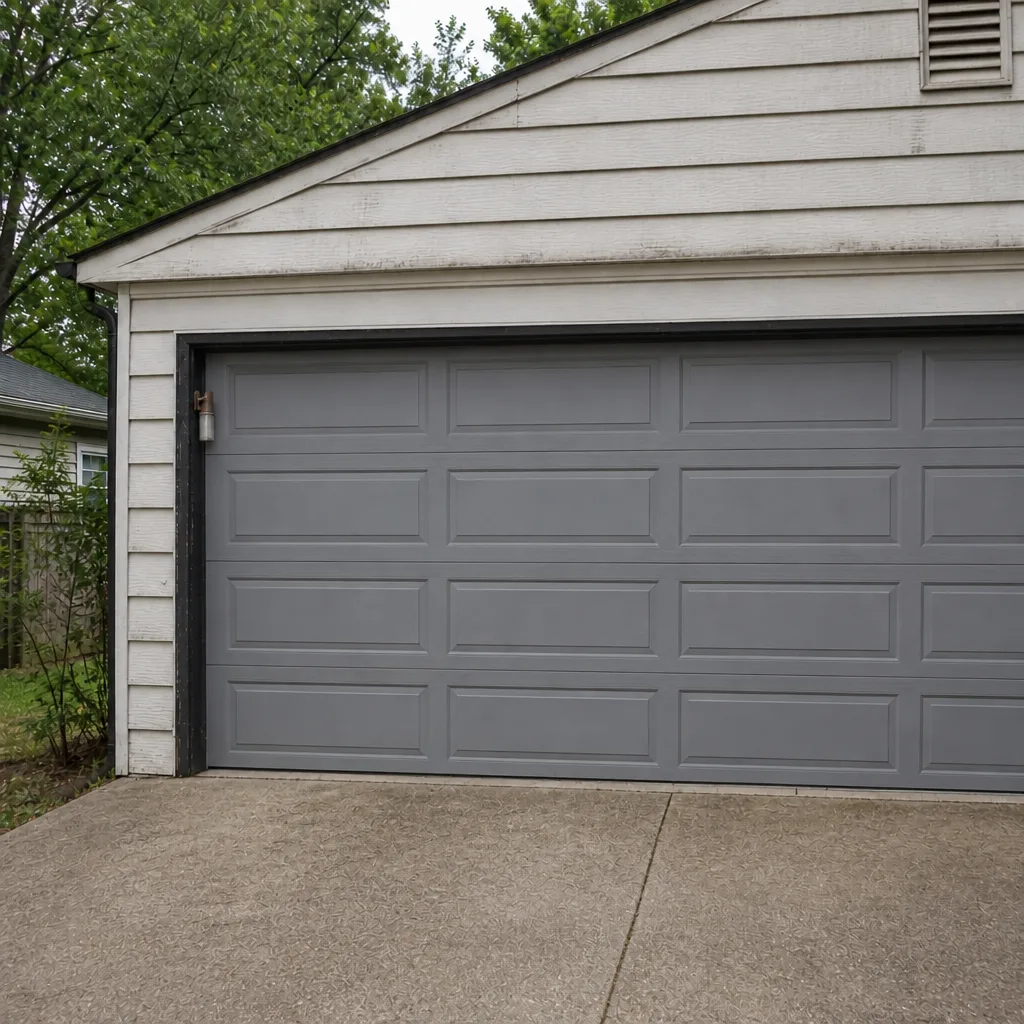 After
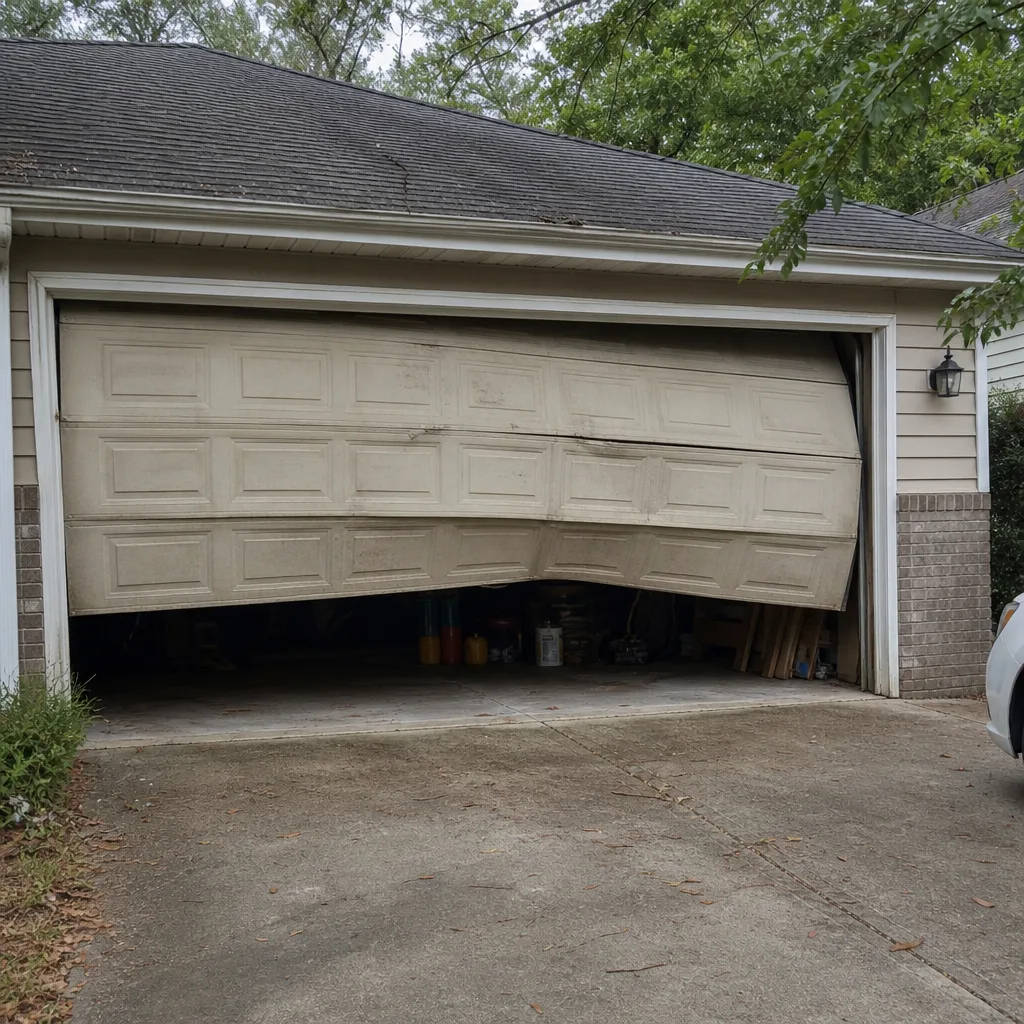 Before
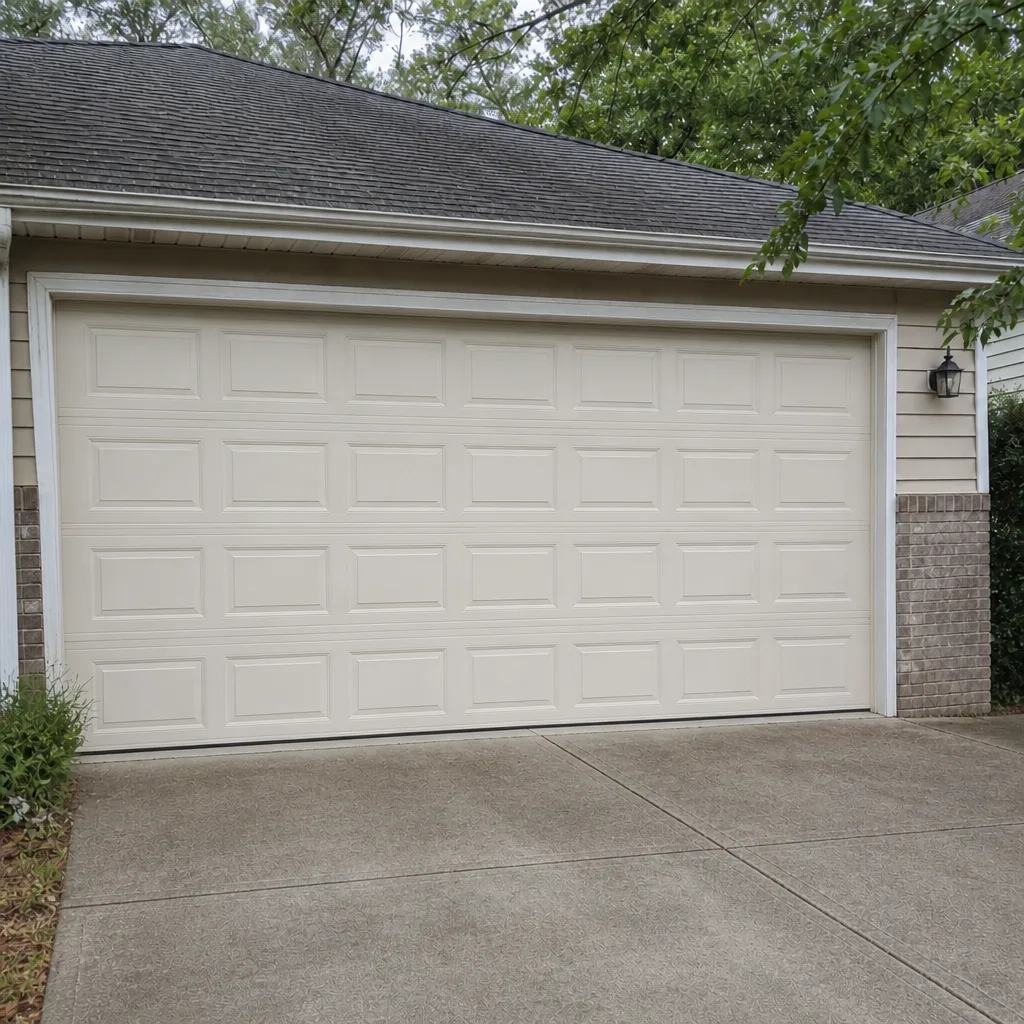 After
When to Call a Professional
Call a pro when you’re looking at spring work, cable work, drum work, a door that’s off its track, an opener that’s failed, or any job you’ve started and can’t finish safely. Call sooner rather than later if the door is in a position that blocks a vehicle or leaves your home open, because the reason to fix it isn’t convenience. A garage door that won’t close is a security problem, not just an annoyance. We answer 24/7 for scheduling, and dispatch runs 7am to 7pm, Sunday through Friday.
Cary Garage Door Service offers free estimates in Cary – call (855) 360-7403. Estimates are free and the price is quoted and agreed before any work begins.
Frequently Asked Questions
No, and we’d say the same for anyone. Torsion springs hold enough stored energy to injure you in under a second if released incorrectly, and installing a new one requires knowing the door’s exact weight, spring dimensions, and winding count. A technician with the right winding bars and calibration does the job in under an hour, and it’s the safest way to handle it. Call (855) 360-7403 for a free quote.
Yes, with the door closed and locked. Rollers sit under only moderate load and, when the door is down, the springs are at rest enough that swapping them is a reasonable DIY job. The main tool you need is a wrench that matches the hinge bolts. Just don’t try to swap rollers with the door up or in motion. If a roller or track is bent, that’s worth a professional look, and it’s a quick call to (855) 360-7403.
No. We quote the job based on what’s actually there, put it in writing, and the written estimate sets the final price. If a technician discovers a different issue mid-repair (a cracked drum where the original job was a cable), the new work is quoted separately and agreed before it starts. No surprises.
Torsion spring replacement typically runs in the $180-$340 range for a single spring, and a matched pair usually gets replaced together at roughly twice the single-spring price. Extended use of a door with a failed spring drives up other costs, so the sooner it’s addressed the better. Call (855) 360-7403 for an exact quote – estimates are free.
Yes. Our technicians are trained on Genie, Chamberlain, LiftMaster, Clopay, Amarr, Wayne Dalton, Craftsman, and Raynor systems, so the brand on your door or opener isn’t a barrier. We work on the brand you already have rather than steering you toward a replacement. Call (855) 360-7403 and mention the brand when you book.
Often yes for repair and opener work, and we dispatch 7am to 7pm, Sunday through Friday. Whether we can reach you the same day depends on what’s scheduled and where in Cary you are. Call (855) 360-7403 and we’ll give you a straight answer about today rather than a vague one. We answer 24/7.
The Bottom Line
Not every garage door job is a call-a-pro situation, and treating it as one wastes money. Sensors, lubrication, weatherstripping, rollers, and remote programming are all in reach for a homeowner with basic tools. Springs, cables, and cable drums are not. Those parts hold mechanical energy that no amount of confidence makes safe to release by hand, and a technician’s experience with them is worth every dollar of the estimate. Look at your door, match the job to the risk matrix, and get quotes when the job falls into the high-risk column. If you’re uncertain which column you’re in, ask.
Have a door that’s stuck, a spring that’s broken, an opener that’s stopped responding, or a plan to replace a door and want a real number before you commit? Call Cary Garage Door Service at (855) 360-7403 for a free estimate. We answer 24/7. Fast dispatch from 7am to 7pm, Sunday through Friday. We work across the brands you already own, whether it’s a Chamberlain opener, a Clopay door, or a Genie from twenty years ago. Prices are quoted and agreed before work starts, so you’ll know what you’re paying for the repair and what you’re paying to get your garage back to working order.
Written by the team at Cary Garage Door Service.