
Last updated November 14, 2026
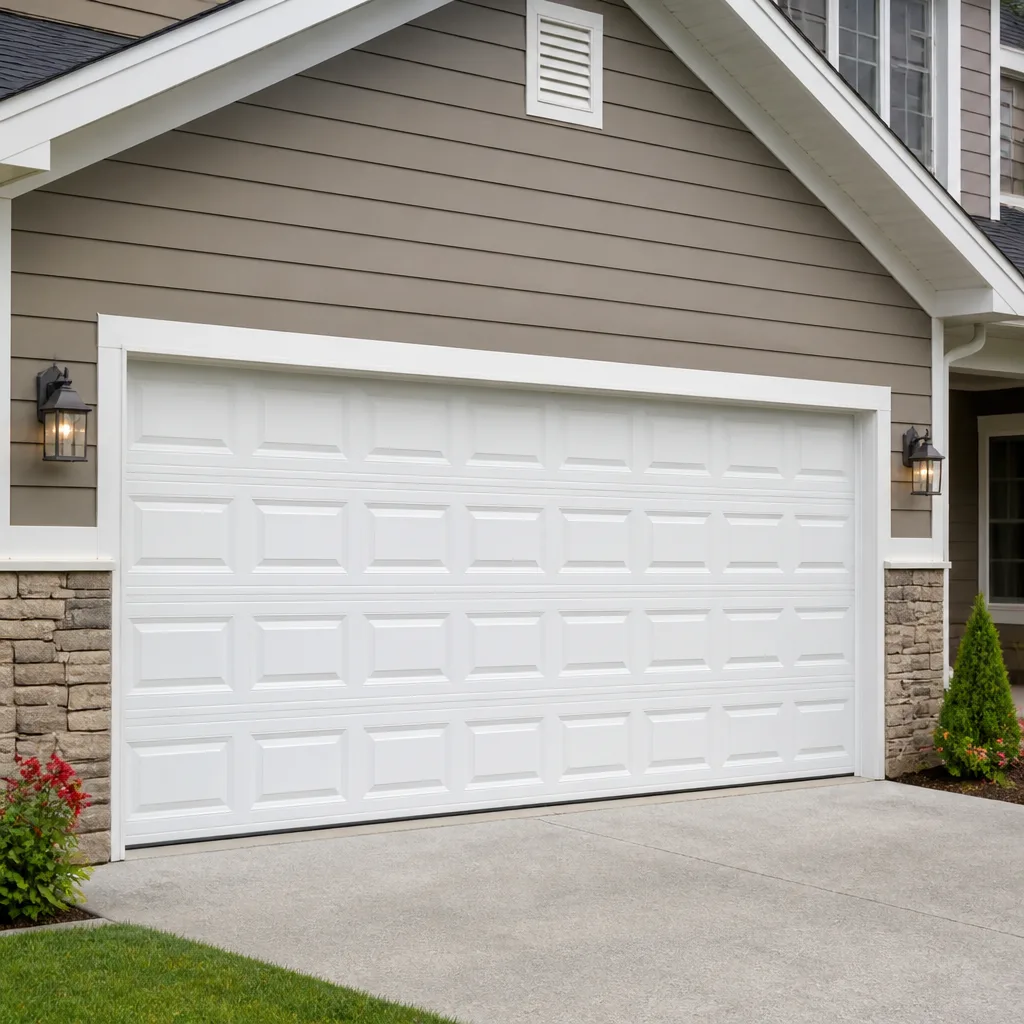 Raised-panel steel
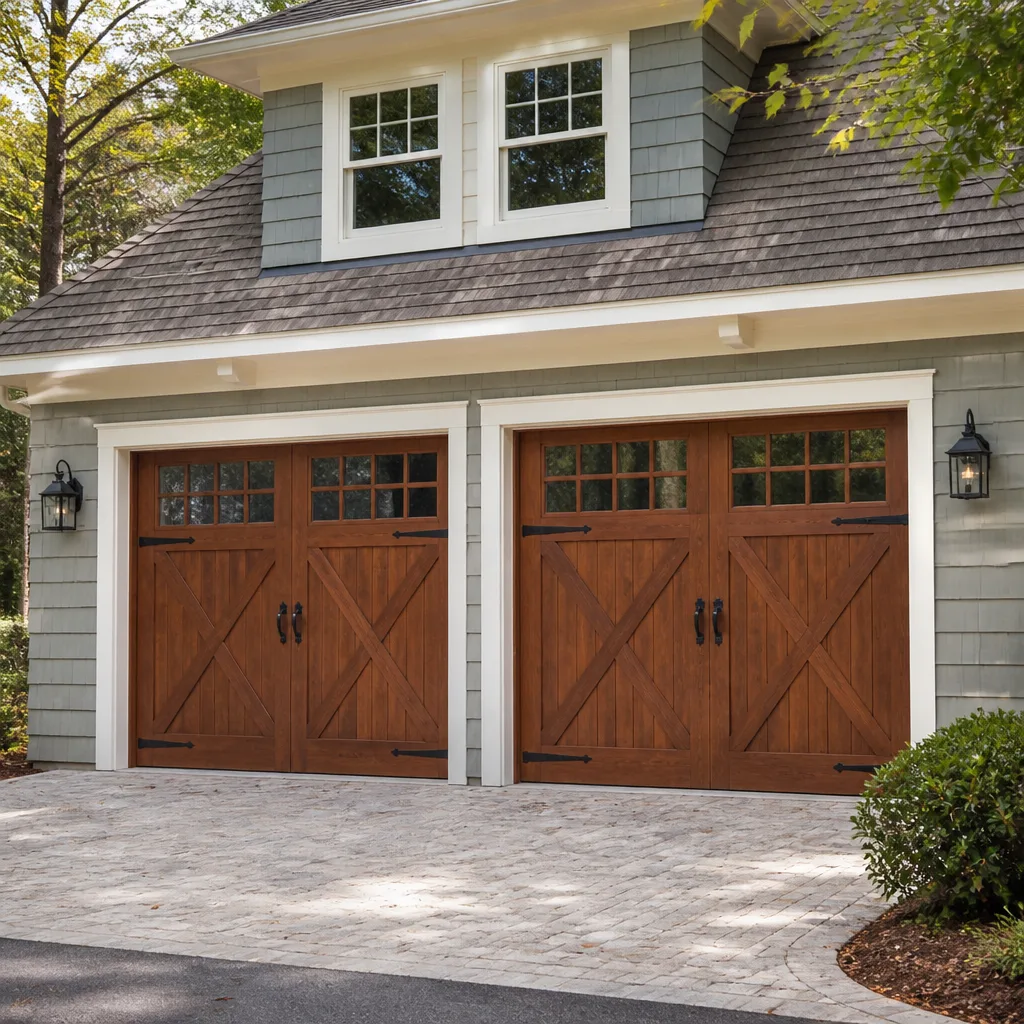 Carriage house
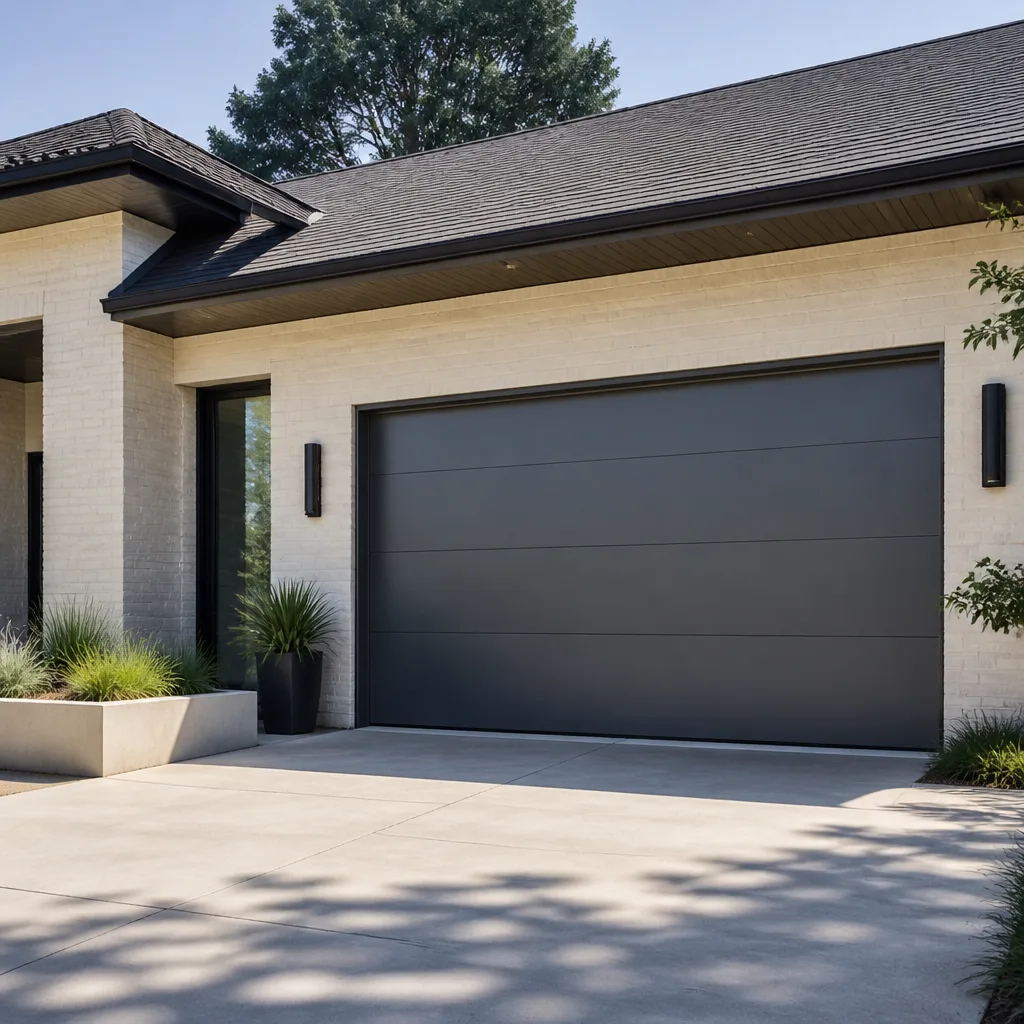 Modern flush
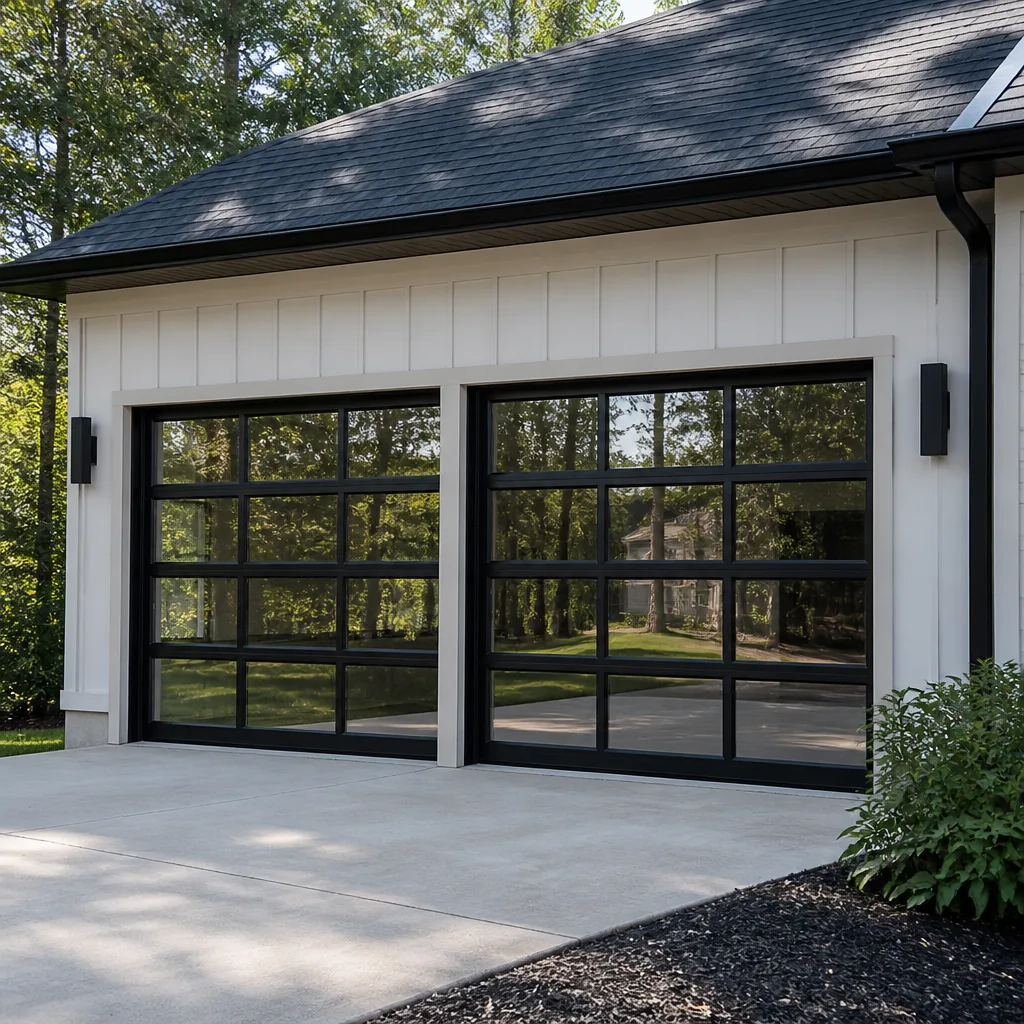 Full-view glass
 LiftMaster openers
 Chamberlain openers
Full 25-point door and opener safety check with every visit - springs, cables, rollers, tracks, and your LiftMaster or Chamberlain opener included
You get a price before we start. It does not change when the pro arrives.
Get your free estimateGarage Door Repair Maintenance Schedule: What to Do and When
Most garage door maintenance advice online is written for a climate that doesn’t exist here. Manufacturers recommend lubricating every six months, and that’s fine as a baseline. But a Cary garage isn’t climate-controlled. It hits the high 90s in August, drops into the 20s in January, and spends spring coated in pine pollen. The same interval that works in a mild, stable climate can leave your rollers grinding and your springs fatigued years ahead of schedule in the Triangle. What follows is a calendar built around how parts actually wear in Cary, which tasks genuinely extend component life, and which ones are just busywork.
Quick Answer
A garage door needs four things done on a real schedule: lubrication every six to eight months (not just twice a year), a balance and spring check twice a year, weatherstripping inspection each fall, and a 90-second visual self-inspection every month. Torsion springs are rated for about 10,000 cycles, which for a typical household making four trips a day works out to roughly seven years. Everything else – cleaning tracks, testing the safety reverse, checking opener ventilation in summer heat – fits around those four anchors.
Styles & brands we work with
- Raised-panel steel
- Carriage house
- Modern flush
- Full-view glass
- LiftMaster openers
- Chamberlain openers
Table of Contents
- Why Cary’s Climate Rewrites the Standard Schedule
- The 90-Second Monthly Self-Inspection
- The Cary Month-by-Month Maintenance Calendar
- Part Lifespans: How Long Each Component Actually Lasts
- Five Tasks That Extend Life vs. Five That Are Busywork
- The Lubrication Mistake Almost Every Guide Gets Wrong
- Springs, Cables, and What Not to Touch
- Opener Maintenance Most Homeowners Skip
Why Cary’s Climate Rewrites the Standard Schedule
Garage door components expand and contract with temperature. In Cary, that swing is large. A torsion spring, a set of rollers, and a steel track all move measurably between a January morning and an August afternoon. Every one of those cycles adds a little stress, and the parts that carry load – springs, cables, hinges, and rollers – absorb it first. That’s why a door in a mild climate and a door in Cary, both installed the same year and both used the same number of times a day, don’t age at the same rate.
The local climate adds three specific pressures:
- Summer heat. A garage that faces west can sit well above outdoor temperature through the afternoon. Grease thins, opener motors run hotter, and plastic and nylon components soften. That’s the season to check opener ventilation and listen for strain in the motor.
- Pollen season. The Triangle’s spring pollen load settles on horizontal surfaces, and garage door tracks are horizontal surfaces. Pollen mixed with lubricant turns into a gritty paste that accelerates roller wear. Tracks need wiping in spring, not greasing.
- Winter cold snaps. When temperatures drop into the 20s, weatherstripping hardens and shrinks, seals pull away from the frame, and lubricant that wasn’t rated for cold thickens and stops doing its job. A door that ran quietly in October can start squealing in January because the lubricant, not the part, changed.
None of this means more work. It means the right work at the right time. A garage door maintenance schedule built for Cary should be lighter in some months than manufacturer guidance suggests and more focused in others. If you’d rather have a trained technician walk the whole system once and tell you what needs attention first, that’s what our garage door repair service is for.
The 90-Second Monthly Self-Inspection
Most developing garage door problems announce themselves weeks before they cause a failure. A monthly walk-around catches the large majority of them. It takes about 90 seconds and requires no tools. Here’s the sequence:
- Run the door and listen. Stand inside the garage and cycle the door once. Grinding, popping, or a rhythmic squeak points to rollers or hinges. A single loud bang at the start often means a spring is fatigued.
- Watch the door travel. It should move smoothly and evenly. If one side lags or the door shudders, the door is out of balance or a cable is loose.
- Look at the tracks. You’re checking for debris and for bends, not for shine. A track with a visible kink needs a professional to realign it, not a hammer.
- Scan the springs and cables. Look for a visible gap in a torsion spring or frayed strands on a cable. Do not touch either. Just note what you see and call.
- Test the safety reverse. Place a roll of paper towels in the door’s path and close it. The door should reverse on contact. If it doesn’t, stop using the door and get it looked at.
- Check the weather seal. Look along the bottom for gaps or tears and along the sides for daylight.
Write down what you find. A note that says “squeak on the left side started in March” is worth more to a technician than a vague memory of “it’s been noisy for a while.” If something on that list looks wrong, calling early is almost always cheaper than waiting. We answer 24/7 at (855) 360-7403, and fast dispatch from 7am to 7pm gets a technician out to look.
The Cary Month-by-Month Maintenance Calendar
This is the schedule we’d hand a homeowner in Cary if they asked what to do when. It’s organized around the seasons that actually stress a garage door here, not a generic quarterly checklist.
Spring (March through May)
- Wipe the tracks. Pollen coats the tracks and mixes with old lubricant. Use a damp cloth, not a solvent, and dry them after.
- Lubricate rollers, hinges, and the spring. Use a garage-door-specific lubricant, not WD-40. More on which parts below.
- Clear the photo-eye lenses. Pollen film on the safety sensors is a common cause of a door that won’t close.
- Check the balance. Disconnect the opener and lift the door halfway by hand. It should stay put. If it drifts down, the springs are losing tension.
Summer (June through August)
- Check opener ventilation. Confirm nothing is stacked against the opener housing. Motors work harder in heat and a blocked housing makes it worse.
- Listen for strain. A motor that sounds labored in July may be fighting a balance problem, not failing on its own.
- Inspect the door panels. Heat and sun can warp a lightweight panel over time. Check that the door still sits flush when closed.
- Test the safety reverse again. It’s the one safety feature that should be checked more than twice a year.
Fall (September through November)
- Inspect weatherstripping before the first cold snap. Run a hand along the bottom seal and the side jambs. Cracks, hardening, or gaps mean it’s time to replace the seal.
- Lubricate with a cold-rated product. This is the lubrication that has to survive January. Choose one rated for low temperatures.
- Tighten the hardware. Hinges and brackets loosen over a season of use. A socket set and a few minutes is all it takes.
- Clear gutters and debris near the door. Fallen leaves and pine straw collect against the bottom seal and hold moisture there.
Winter (December through February)
- Watch for stiff operation. A door that runs slow in cold weather is usually fighting thickened lubricant or a cold-stiffened seal, not a failing opener.
- Check the seal again after the first hard freeze. If the door leaves a gap at the floor, cold air and moisture get in.
- Keep the tracks clear of ice and grit. Don’t chip at ice with a tool; wipe it away and let the track dry.
If your door is a Clopay, Amarr, or Wayne Dalton model, the panel and hardware design may affect how much seasonal adjustment it needs, but the calendar above holds for nearly any residential door in the Triangle.
Part Lifespans: How Long Each Component Actually Lasts
Knowing how long a part should last tells you when to plan a replacement instead of waiting for a failure. These are realistic benchmarks for a Cary household, not best-case numbers from a spec sheet.
- Torsion springs: rated for roughly 10,000 cycles. At four trips a day, that’s about seven years. A household with two drivers coming and going more often can wear a spring out in five. Extension springs typically last a shorter cycle count and are more prone to sudden failure.
- Rollers: nylon rollers typically last longer than steel; both wear faster on dirty tracks. Expect several years of service if the tracks stay clean.
- Cables: generally outlast springs but should be replaced whenever a spring is replaced, since they’ve carried the same load for the same period.
- Hinges: several years, longer if lubricated consistently. The hinges nearest the opener get the most stress.
- Weatherstripping: two to five years depending on sun exposure. A south- or west-facing door will need it sooner.
- Opener: most openers run for a decade or more, but the drive gear and the logic board are the parts most likely to fail first. A Genie or LiftMaster unit that’s noisy but still moving usually needs a repair, not a replacement.
Here’s the useful part: you can estimate remaining spring life without guessing. Count how many times your door cycles in a typical day and multiply. If you’re at four cycles a day and the springs are six years old, you’re close to the rated limit. A spring that’s near the end of its life is more likely to fail without warning. That’s worth knowing before it happens, and it’s a good reason to have the springs looked at during any maintenance visit.
Five Tasks That Extend Life vs. Five That Are Busywork
DIY garage door content is full of tasks that look productive and aren’t. Here’s the honest split.
Five tasks that genuinely extend component life
- Lubricating the right parts on schedule. Rollers, hinges, the spring, and the opener’s rail. Skip the tracks.
- Checking balance twice a year. An unbalanced door forces the opener to compensate, and that wears the opener out early.
- Keeping tracks clean and dry. Debris accelerates roller wear more than anything else homeowners control.
- Replacing weatherstripping when it fails. A bad seal lets moisture in, and moisture is what rusts hardware and warps panels.
- Tightening loose hardware. Loose hinges and brackets rattle, and rattling turns into bent parts.
Five tasks that are mostly busywork
- Painting or polishing the tracks. Tracks aren’t supposed to be shiny. Cleaning them is enough.
- Greasing every moving part on a fixed annual schedule. Over-lubrication attracts grit. Match the frequency to the season, not the calendar year.
- Adjusting spring tension yourself. This is dangerous and doesn’t belong on a DIY list.
- Replacing rollers as a set “just because.” Replace worn or noisy rollers, not all of them on a schedule.
- Disassembling the opener to “clean” it. There’s nothing inside a residential opener that needs a homeowner to open it.
The pattern is simple: maintenance on the parts that carry load pays off; cosmetic work on the door doesn’t. A door that’s been lubricated correctly and kept balanced will outlast one that’s been scrubbed and painted every year.
The Lubrication Mistake Almost Every Guide Gets Wrong
Most maintenance checklists tell you to lubricate the tracks. Don’t. Garage door tracks are meant to guide the rollers, not to be slippery. Greasing them attracts dust, pollen, and grit, which then pack into the roller bearings and wear them faster than if you’d left the tracks alone. A dry, clean track is the goal. The same mistake shows up in the way people use spray lubricants: a general-purpose spray like WD-40 is a solvent, not a long-term lubricant, and it strips the existing grease off hinges and rollers without replacing it.
Here’s what actually needs lubricant, and what needs to stay clean:
- Lubricate: rollers, hinges, the torsion spring (a light coat), the opener’s rail or chain depending on drive type, and the bearing plates at each end of the torsion bar.
- Leave alone: the tracks. Wipe them, don’t grease them.
- Use: a garage-door-specific lubricant or a silicone-based spray. In Cary, choose something rated to stay fluid below freezing so it doesn’t turn to paste in January.
The interval matters too. Twice a year is the manufacturer’s recommendation, and it’s a reasonable baseline. But if you live on a street with a lot of pine trees or your garage faces west, a third lubrication in late summer pays for itself in quieter operation and longer roller life. If the door is already noisy, the garage door opener repair service covers the whole system, not just the motor.
Springs, Cables, and What Not to Touch
Torsion springs and the cables that run alongside them are under extreme tension at all times. A garage door spring is one of the few components in a house that can cause serious injury in a fraction of a second. We don’t give step-by-step instructions for adjusting or replacing them, and neither should anyone else. What a homeowner can safely do is watch for the warning signs:
- A visible gap in a torsion spring means it has broken.
- Frayed or kinked cable strands mean the cable needs replacing.
- A door that feels very heavy when lifted by hand, or that slams down instead of holding, means the springs have lost tension.
- A loud bang from the garage with the door stuck closed usually means a spring just failed.
If you see any of those, stop operating the door, don’t try to fix it, and get a trained technician out. The same applies to the opener’s high-voltage wiring and to any electrical work at the panel. A garage door technician can handle the mechanical side; electrical work beyond a plug-in connection belongs with a licensed electrician. We handle spring and cable replacement as part of Cary Garage Door Service repair work, and we’ll tell you plainly if what you’re seeing is a repair or a replacement.
Opener Maintenance Most Homeowners Skip
The opener gets less attention than the door, and it’s the part that fails most often in ways that are easy to prevent. A few minutes a season covers it.
- Test the safety reverse monthly. It’s the single most important safety check on the whole system.
- Clear the photo-eye lenses. Pollen and dust block the beam. Use a soft cloth.
- Check the force settings. If the door is balanced, the opener shouldn’t have to strain to lift it. A door that needs the force turned up is telling you the door needs service, not the opener.
- Look at the rail and chain or belt. Check for slack or wear. A belt-driven opener will be quieter than a chain-drive, but both need the same attention.
- Keep the housing clear. In a Cary summer, airflow matters. Don’t stack boxes against the opener.
If your opener is a Genie, Chamberlain, LiftMaster, or Craftsman unit, the maintenance is the same across brands. The difference shows up when something fails: a technician who knows that brand’s parts and quirks can diagnose the problem faster. We’re certified to work on eight major garage door and opener brands, which means a service call is a repair visit, not a discovery process. If you’re in Cary and your opener has been acting up, that’s a call worth making before it strands a car.
Common Mistakes to Avoid
- Greasing the tracks. It’s the most common mistake in every online checklist. It attracts grit, packs the roller bearings, and speeds up wear. Wipe the tracks clean and leave them dry.
- Using WD-40 as a lubricant. It’s a solvent. It strips existing grease and evaporates, leaving parts drier than before. Use a garage-door-specific lubricant or a silicone spray rated for cold weather.
- Ignoring a door that’s out of balance. A door that drifts down when lifted halfway has fatigued springs. The opener compensates, and the opener wears out early, replacing one problem with two.
- Waiting for a spring to break before checking it. In Cary’s temperature swings, springs fatigue quietly. Knowing they’re near the 10,000-cycle mark lets you plan the replacement instead of finding out when a car is trapped.
- Skipping the fall weatherstripping check. A hardened, cracked seal lets cold air and moisture in all winter. It’s a cheap fix that gets forgotten every year.
- Adjusting spring tension yourself. This is genuinely dangerous. Torsion springs store enough energy to injure someone in an instant. Leave it to a trained technician.
- Over-maintaining the door and ignoring the opener. Half a maintenance schedule is the door; the other half is the opener, the sensors, and the force settings. Both need attention.
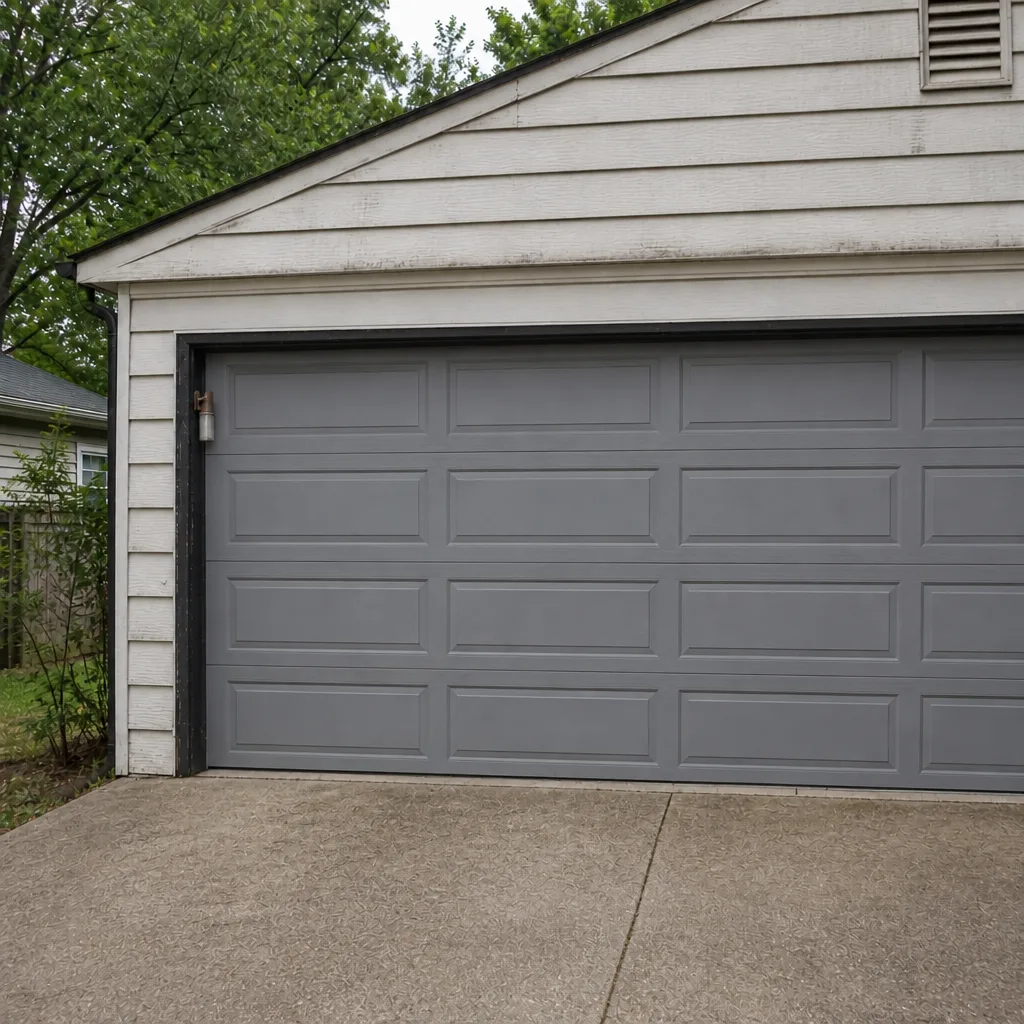
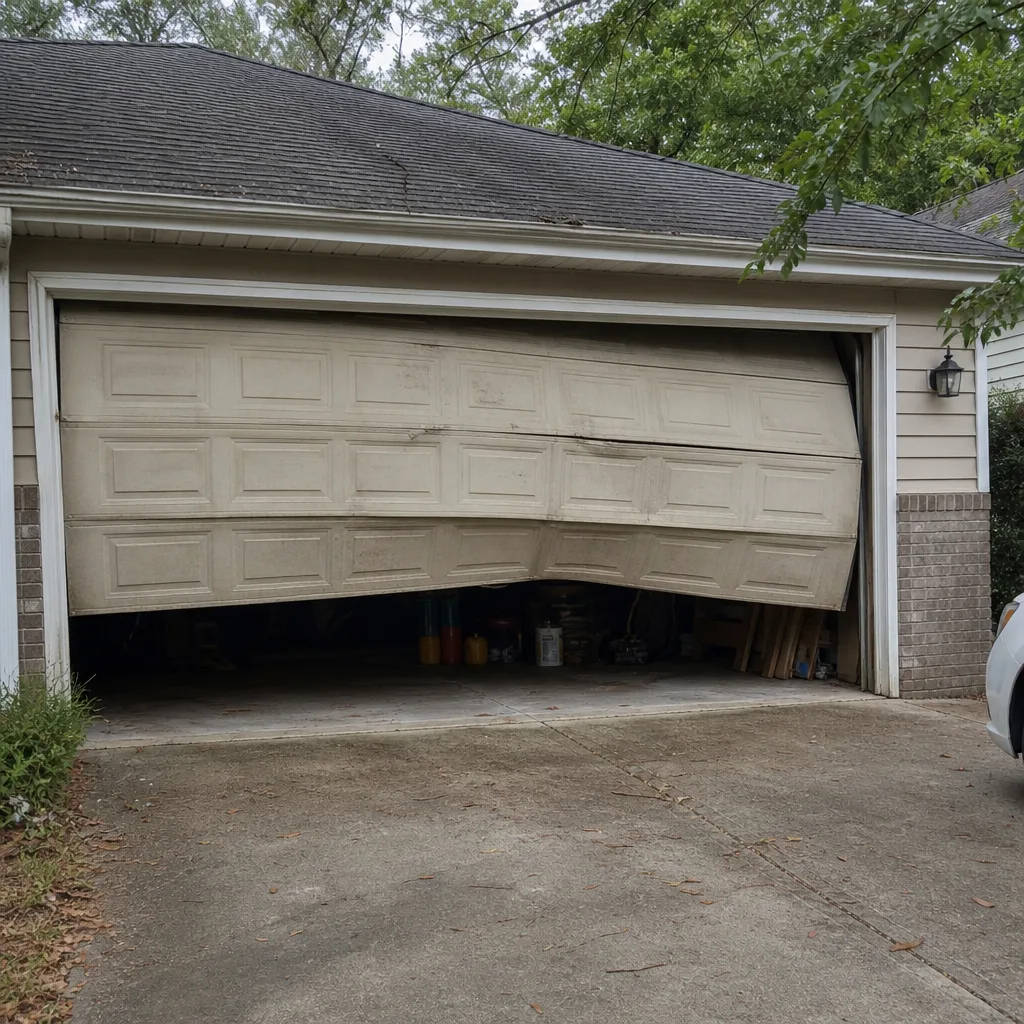
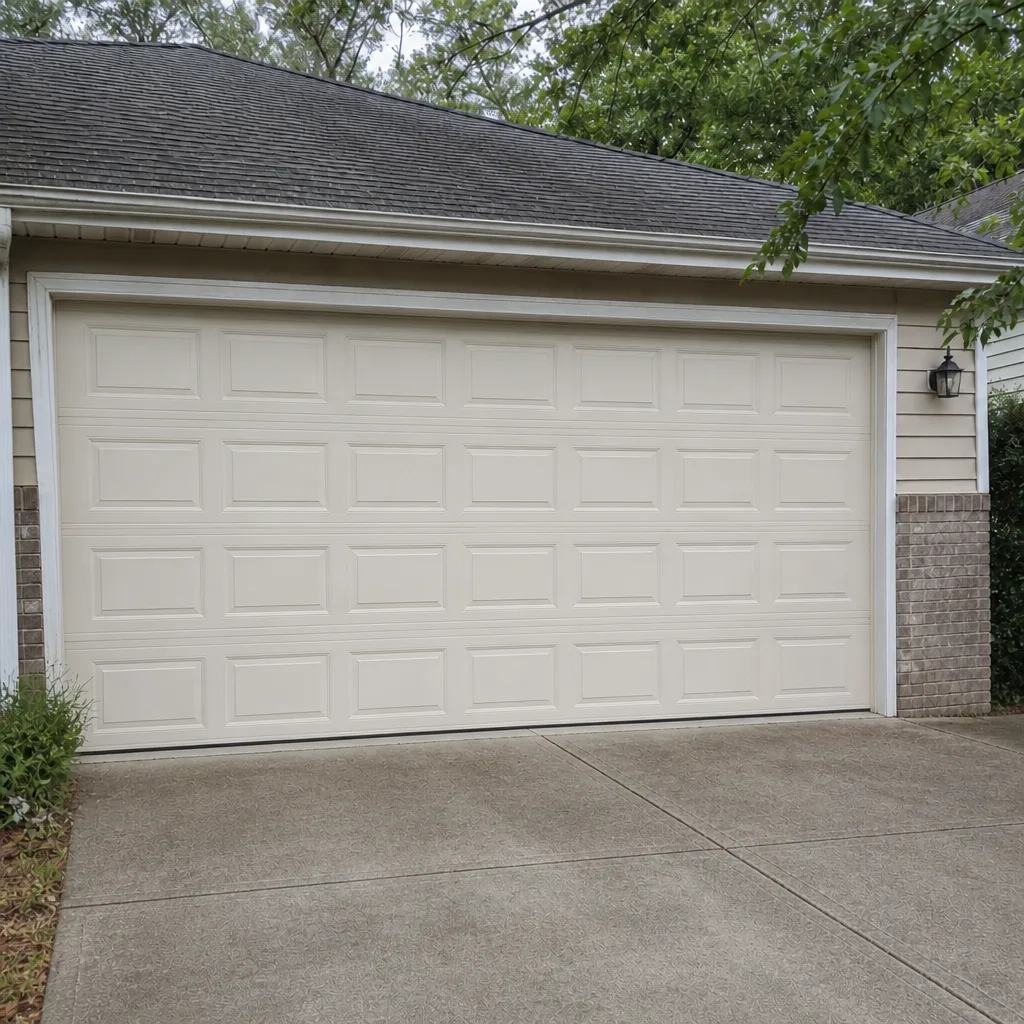
See the difference
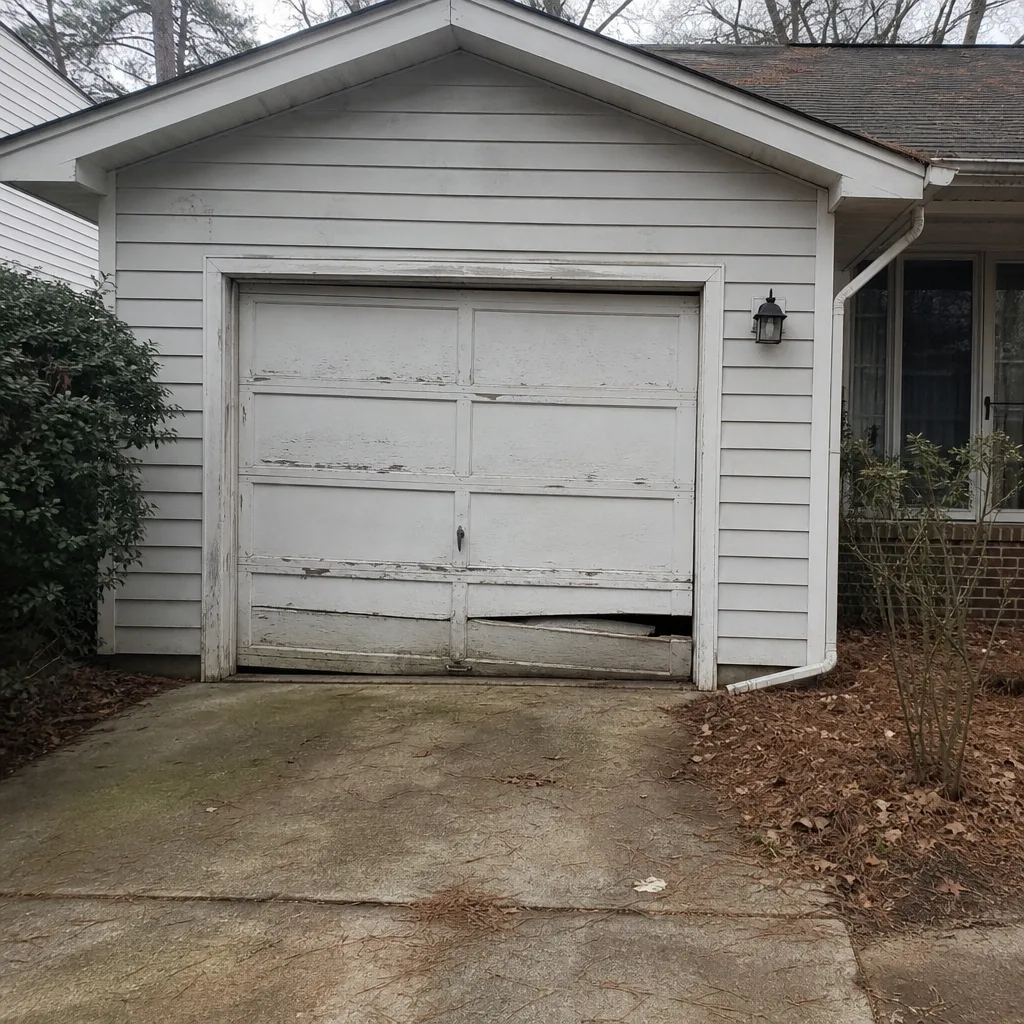 Before
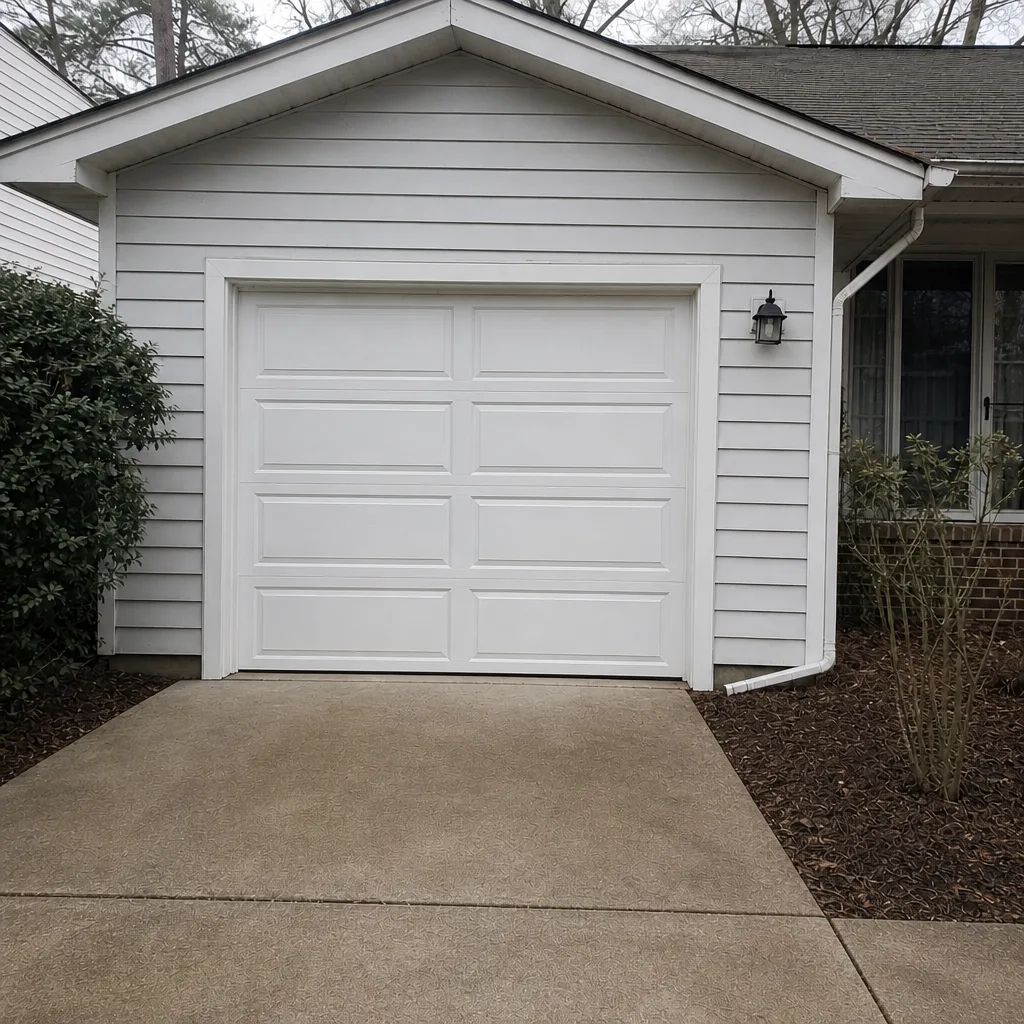 After
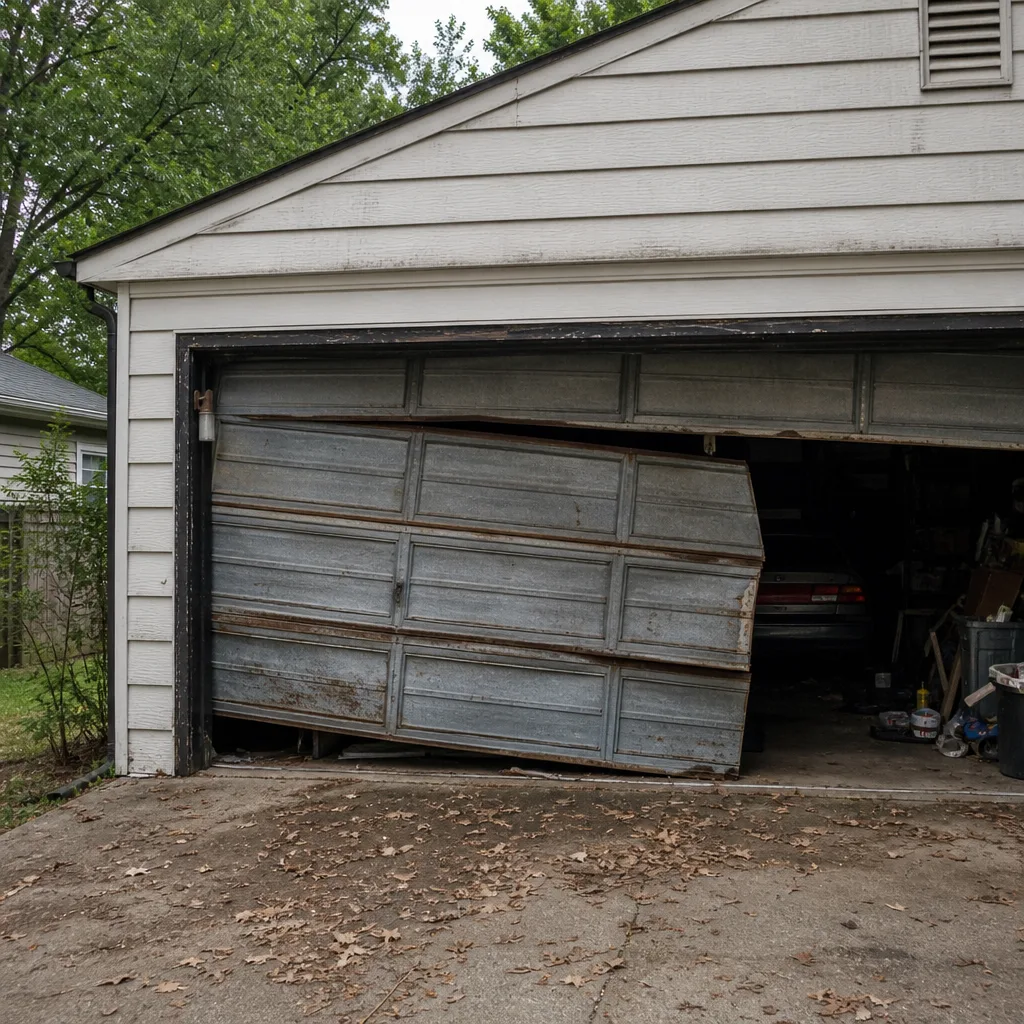 Before
 After
 Before
 After
When to Call a Professional
Some maintenance is a homeowner task. Some isn’t. Call a technician when you see a broken spring, a frayed cable, a door that’s visibly off its track, an opener that won’t respond, or a door that leaves a gap no amount of weatherstripping fixes. Call when the door has been out of balance for more than a few days, or when you’ve heard a bang and the door won’t open. And call when you’ve done the monthly inspection and aren’t sure what you’re looking at. Sorting out a developing problem early is cheaper than waiting for it to fail at the worst moment. Cary Garage Door Service offers free estimates in Cary, and our technicians have up to 10 years of experience across repair, opener service, and installation. Call (855) 360-7403. We answer 24/7. Fast dispatch from 7am to 7pm, Sunday through Friday.
Frequently Asked Questions
Every six to eight months is the right range for most homes. Lubricate the rollers, hinges, the torsion spring lightly, and the opener’s rail. Leave the tracks alone: clean them, but don’t grease them. In Cary, a third lubrication in late summer helps if your garage gets hot or your street has heavy pollen.
Torsion springs are rated for about 10,000 cycles. For a household making four trips a day, that’s roughly seven years. More trips mean a shorter life. You can estimate where yours stand by multiplying your daily cycles by the number of years the door has been in use. Call (855) 360-7403 for an exact quote on replacement; estimates are free.
No. Torsion springs and cables are under extreme tension and can cause serious injury. This is one task that belongs with a trained technician. Watch for the warning signs – a visible gap in the spring, frayed cable strands, a door that slams down instead of holding – and call for help.
The safety reverse test. Place a roll of paper towels in the door’s path and close it. The door should reverse on contact. If it doesn’t, stop using the door and get it looked at. That single test catches the most consequential problem, and it takes seconds.
Yes, in three specific ways. Spring pollen coats the tracks and needs wiping, summer heat stresses the opener motor and its ventilation, and winter cold hardens weatherstripping and thickens lubricant. A door in Cary needs the same tasks as anywhere else, but the timing shifts with those seasonal pressures.
Not necessarily, but a door that opens fine can still be close to a spring failure or running out of balance. The monthly self-inspection and an annual professional check catch those before they fail. If something looks off, or you’re not sure, a free estimate is the simplest way to find out.
The Bottom Line
A garage door maintenance schedule isn’t about doing more. It’s about doing four things on time: lubrication with the right product at the right interval, a balance check twice a year, weatherstripping inspection each fall, and a 90-second self-inspection every month. Know your part lifespans – especially the roughly 10,000 cycles a torsion spring is rated for – so you can plan instead of react. Keep the tracks clean and dry and don’t grease them. Handle the door and the opener as one system. Do that in Cary’s climate, and the door runs quieter, lasts longer, and doesn’t fail on a Tuesday morning when a car needs to leave.
Written by the team at Cary Garage Door Service.