
Last updated November 14, 2026
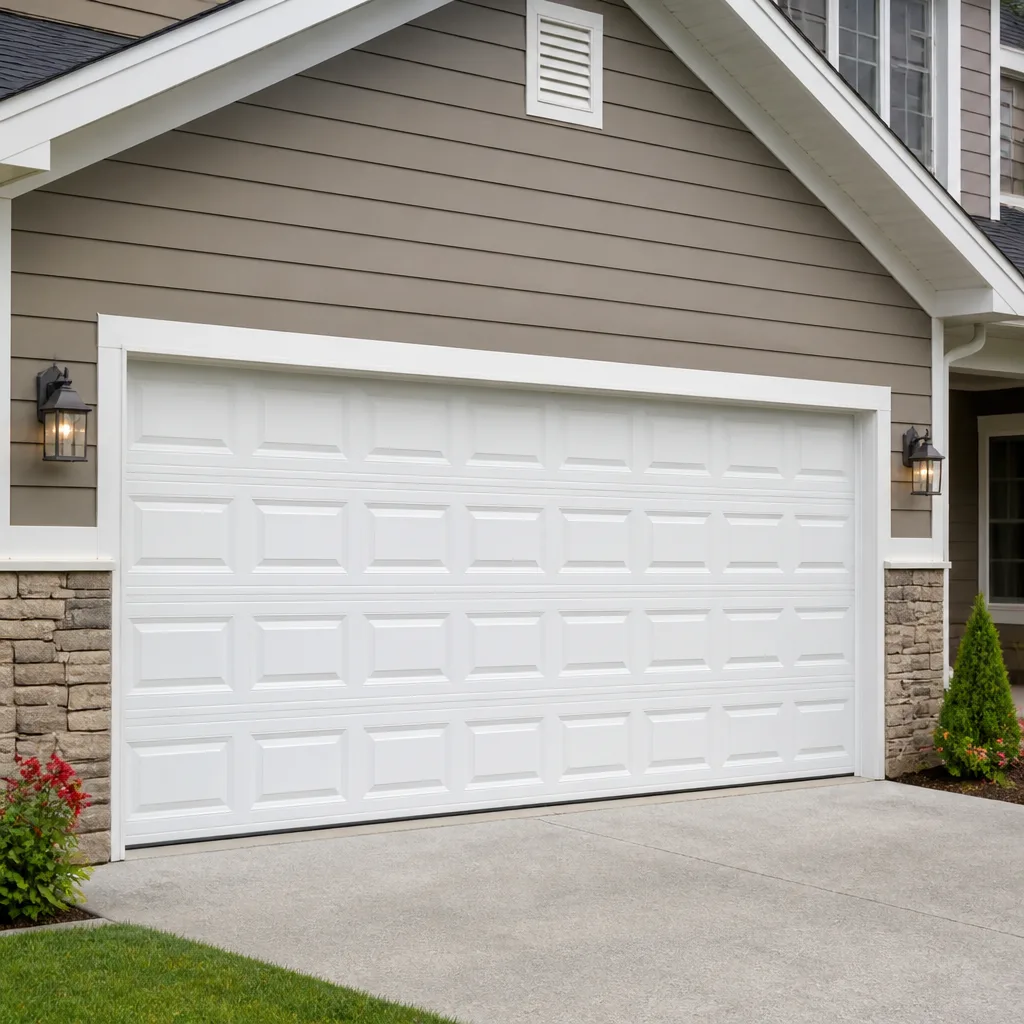 Raised-panel steel
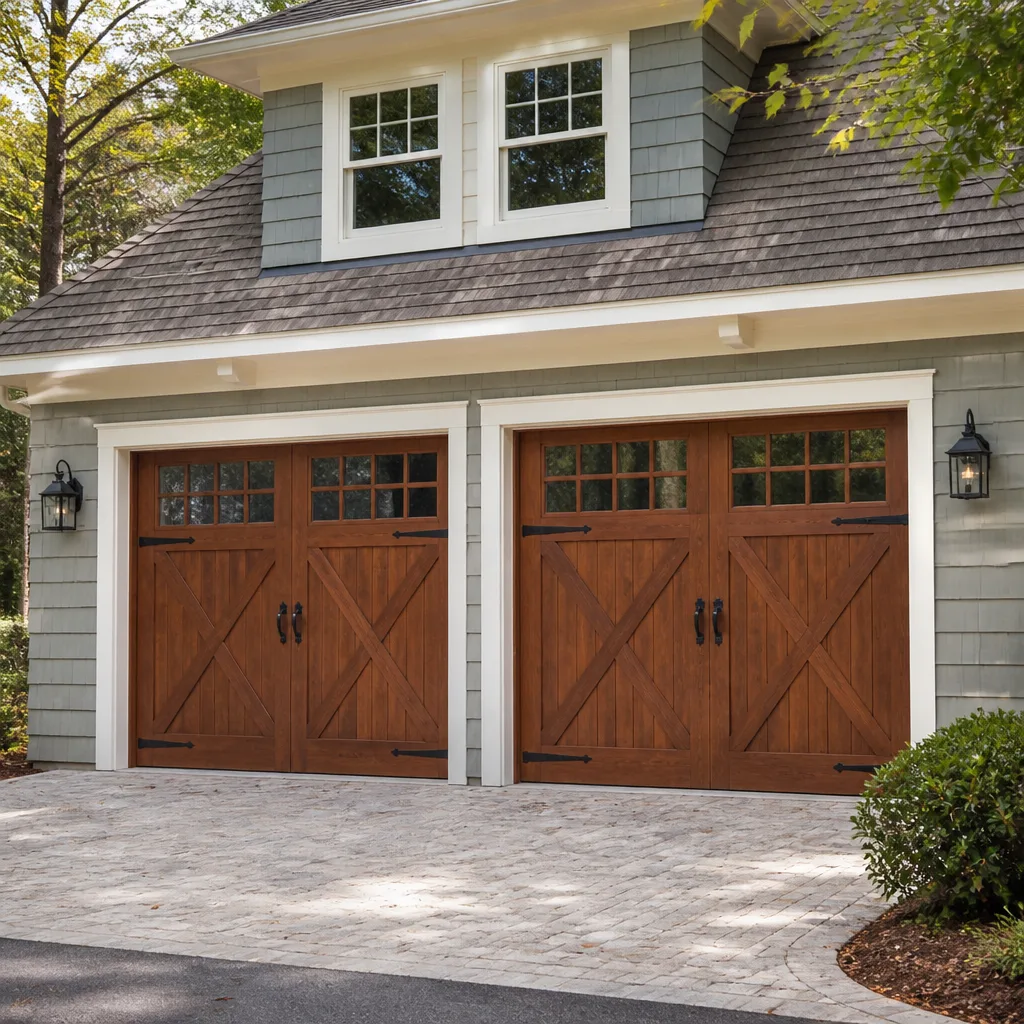 Carriage house
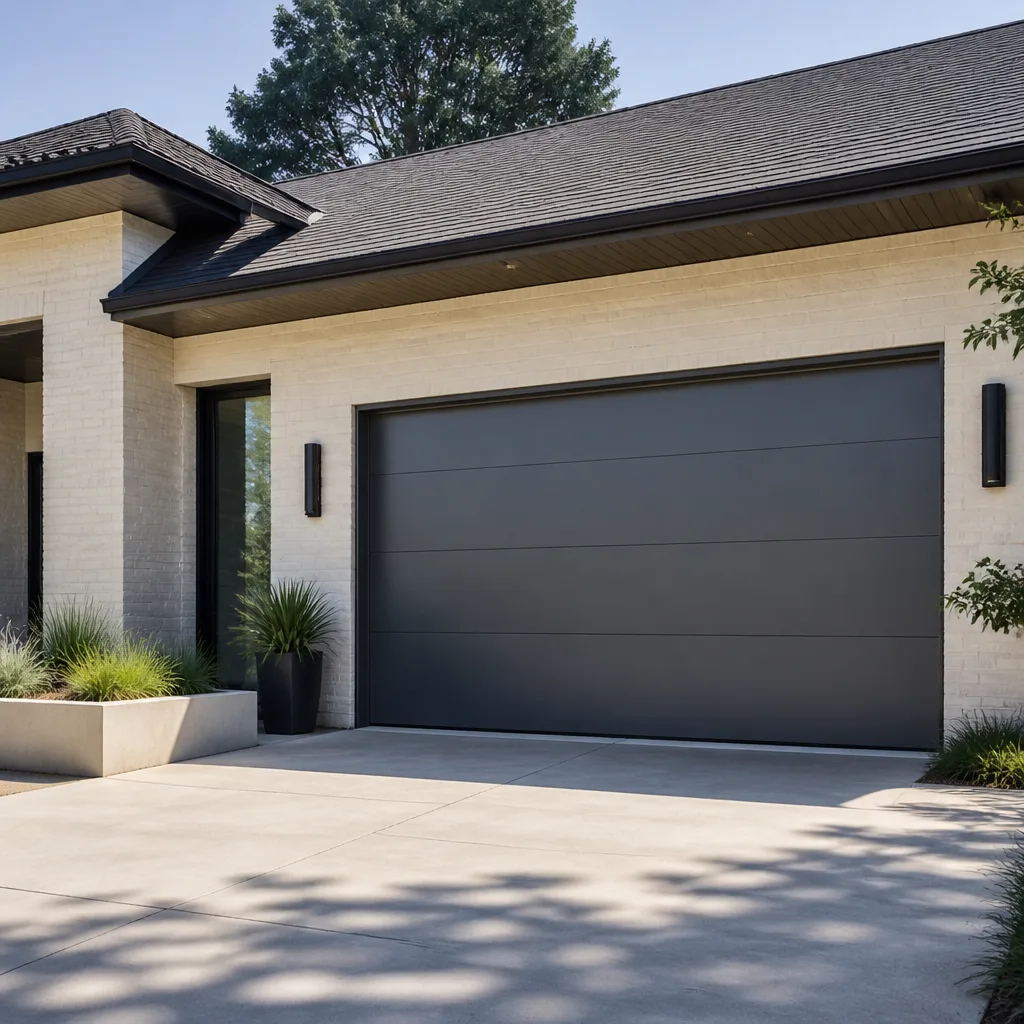 Modern flush
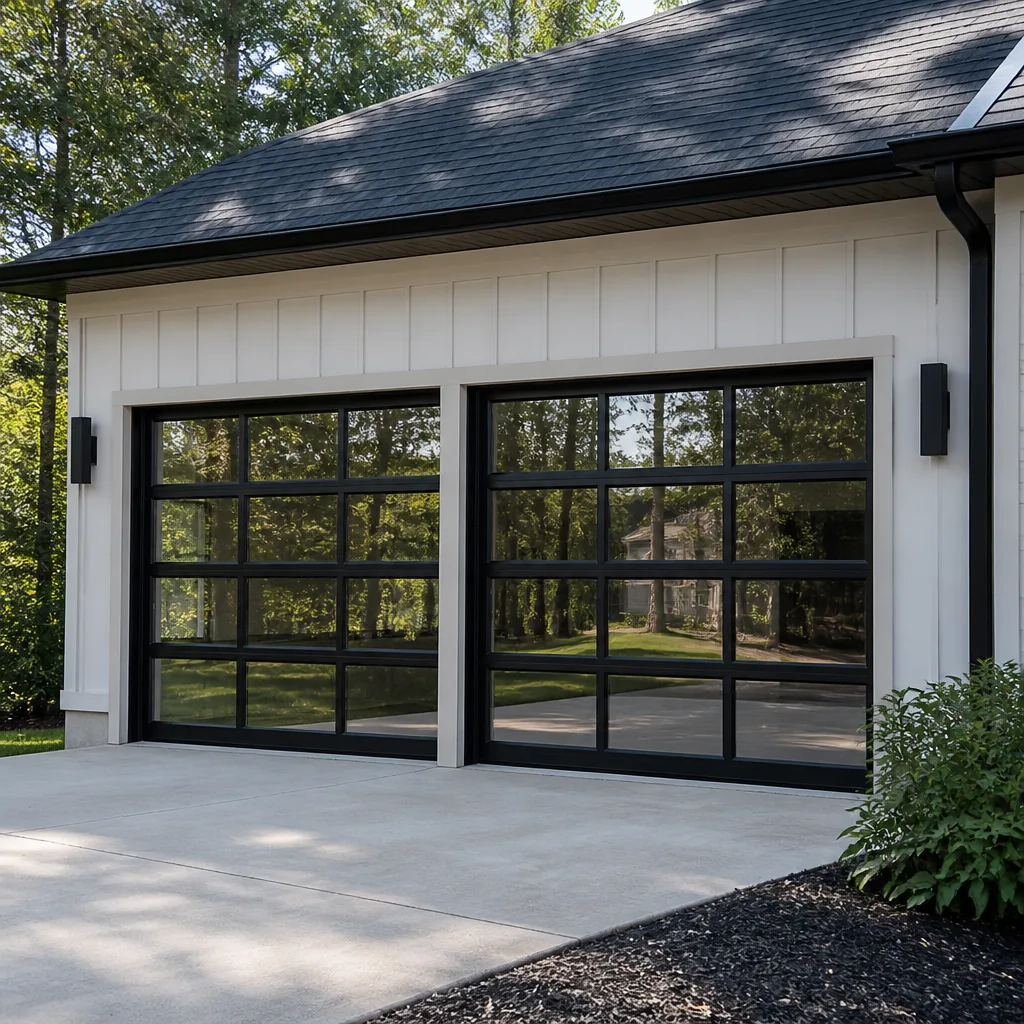 Full-view glass
 LiftMaster openers
 Chamberlain openers
Full 25-point door and opener safety check with every visit - springs, cables, rollers, tracks, and your LiftMaster or Chamberlain opener included
You get a price before we start. It does not change when the pro arrives.
Get your free estimateGarage Door Permits, Codes & Inspections in Cary, NC: What You Need to Know
Here’s the counterintuitive part: swapping damaged panels on a garage door in Cary usually needs no permit at all, but replacing the entire door sometimes does. The difference isn’t the price tag or the size of the job. It comes down to a specific threshold in the NC Residential Code, and most homeowners never hear it explained. That gap matters, because Town of Cary permits, Wake County inspections, and your HOA’s architectural review are three separate gates. Satisfy one and you’ve satisfied exactly one. This guide maps who controls what, so you don’t pay for work twice.
By the end, you’ll know when a Town of Cary permit actually applies, what a Wake County inspector looks for, and how to decide whether to pull the permit yourself or have it pulled for you.
Quick Answer
In Cary, NC, panel-for-panel garage door repairs generally do not require a building permit, but a full garage door replacement can trigger a Town of Cary building permit once the work crosses the structural or opening-alteration threshold in the NC Residential Code. An HOA architectural review is a completely separate approval and does not replace or satisfy the municipal permit. Ask the Town of Cary building department to confirm your specific scope before any work begins, and remember that the inspection layer runs through Wake County.
Styles & brands we work with
- Raised-panel steel
- Carriage house
- Modern flush
- Full-view glass
- LiftMaster openers
- Chamberlain openers
Table of Contents
- The NC Code Threshold That Decides If You Need a Permit
- Town Permit vs. HOA Review: Two Separate Processes
- What a Wake County Inspection Actually Checks
- Common Scenarios: Opener, Full Door, Carport Conversion
- Pulling the Permit Yourself vs. Your Contractor Pulling It
- Cary HOA Covenants: What Usually Gets Red-Tagged
- How Cary’s Climate and Housing Shape the Job
- Common Mistakes to Avoid
The NC Code Threshold That Decides If You Need a Permit
The trigger for a Town of Cary permit on garage door work isn’t the dollar amount of the job. It’s whether the work changes the structural opening or the framing around it. Under the NC Residential Code, routine maintenance, repair and replacement of building components can often proceed without a permit. Alter an opening, change its size, remove or add structural members, and you’re in a different category where the code expects a permit and an inspection.
That distinction sounds simple, but a garage door replacement can fall on either side of the line depending on how the original door was framed and whether the new door matches the existing header, jambs and tracks. A like-for-like replacement on the same opening is treated very differently from a wider door, a different track system, or added framing. A residential general contractor performing the same task should have no problem explaining the difference. So does the Town of Cary building department. That’s who you ask, because it’s their call.
Because the line is drawn on scope, a homeowner with an old steel door can sometimes move to a Clopay or Amarr replacement without crossing the threshold, while a homeowner converting a carport crosses it in the first hour. The code doesn’t care about brand, style, or how much you paid for the door. It cares about what changes structurally.
What “same opening” actually means
- The rough opening dimensions stay the same.
- The header, jambs and framing are untouched.
- The new door uses a compatible track and spring setup for the existing opening.
- No structural member is removed, added or relocated.
When all four are true, most full replacements move through as maintenance and repair. When any of them are false, expect to be in permit territory. Ask before you order the door.
Town Permit vs. HOA Review: Two Separate Processes
Here’s the mistake we see most often: a homeowner gets a Town of Cary building permit, assumes that settles everything, and starts work. Then the HOA sends a notice. Or the reverse. A homeowner clears HOA architectural review, assumes the town is fine with the work, and gets stopped mid-job by a code officer.
A Town of Cary permit is about safety and building code compliance. It answers: does this door meet current code and will it hold up and function safely? An HOA architectural review is about appearance and covenants. It answers: does this door fit the community’s style, color and hardware standards?
They are governed by different authorities, run on different timelines, and function as two gates, not one. Passing one does nothing for the other.
How the two processes compare
- Town of Cary building permit: issued by the Town, based on the NC Residential Code, inspected by Wake County inspectors, has fees and a defined review window.
- HOA architectural review: issued by the community board or design committee, based on covenants, run by volunteers or a management company, often has its own submission forms and neighbor-notice windows.
Both can be in play on the same job. Both can be required even when the other is not.
What a Wake County Inspection Actually Checks
Inspections are performed through Wake County’s permitting and inspection system. The inspector isn’t there to critique the brand or the style. The inspector checks that the installation matches the permitted scope and functions safely. In our experience, the items that get flagged most are the boring ones.
The recurring flags
- Framing that wasn’t on the permit. The installer changed the header or jambs and the permit shows a like-for-like replacement.
- Spring and cable tensioning. A spring that isn’t wound to spec, or a cable that isn’t secured at both ends, shows up in the function check.
- Track alignment and door travel. A door that binds, jumps or fails to seat in the opening gets flagged.
- Safety reverse on power openers. An opener that doesn’t reverse on obstruction is a common fail. Every LiftMaster, Chamberlain, Genie or Craftsman unit is expected to reverse correctly.
- Labeling and product listing. Doors are supposed to carry their listing label, and a missing one can hold up a sign-off.
Safety matters here. Springs and cables are under extreme tension and can cause serious injury if handled wrong. We don’t give DIY instructions for them. We check them, we adjust them, and if a spring is failing, we recommend a trained professional handle it. That’s not caution for its own sake. It’s the same reason the code inspection cares about it.
The good news: a well-installed Clopay, Amarr, Wayne Dalton or Craftsman door passes on the first walkthrough. The bad news: a sloppy install doesn’t, and re-inspection costs time.
Common Scenarios: Opener, Full Door, Carport Conversion
New opener only
No Town of Cary building permit. A garage door opener repair or opener replacement is a mechanical swap on existing electrical service. The opener itself still has to be installed to the manufacturer’s instructions and the safety reverse must work. No inspection is triggered. The trade-off is real though: a poor opener install that damages wiring or a door that operates on a misaligned track can turn a simple swap into a structural repair. We pull the opener, the door and the electrical together so the system operates as a unit.
Full door replacement
Straightforward if the opening is unchanged. A full replacement on the same opening usually moves through as repair and replacement of a building component. But confirm the scope with the Town of Cary before you order the door, because a change in size or a change in the track and spring geometry moves you into permit.
Adding a door to a previously open carport
Permit required. This changes the structural envelope of the building. A carport converted to a garage gains a door, and often framing, header work and new electrical for the opener. It’s a real construction project, not a replacement. No way around it, and no shortcut is worth the risk on this one.
Upgrading to a smart opener
No permit. Same rule as a new opener. The mechanical and electrical systems change, but the building envelope doesn’t. We handle the door and the opener in one visit, which is the practical reason we work both.
Pulling the Permit Yourself vs. Your Contractor Pulling It
You can pull a Town of Cary permit as a homeowner for work on your own residence. Some homeowners do. The reason many of them come back to us afterward is the exposure.
When you pull the permit, you’re the applicant. If the inspection fails, the re-inspection is on your record. If something goes wrong later, your homeowner insurance adjuster will ask who did the permitted work and who owned the permit. A contractor who pulled it carries the liability for the install being right. A homeowner who pulled it carries the liability for their own install being wrong.
Numbered steps to decide
- Call the Town of Cary building department and confirm whether your scope needs a permit at all.
- If a permit is needed, ask your installer up front whether they’ll pull it.
- Put the permit responsibility in writing on the estimate.
- Confirm who will be on-site for the Wake County inspection.
- Get the inspection sign-off and keep a copy with the job paperwork.
Having the installer pull the permit is generally the safer path. It aligns the person who owns the permit with the person responsible for the work passing inspection. If you’re choosing an installer for a larger scope, ask to see the permit binder before work starts, not after. That’s the pattern we hold ourselves to and the one we’d want on our own homes in Cary.
Cary HOA Covenants: What Usually Gets Red-Tagged
Cary neighborhoods range from long-established streets to newer planned communities, and a fair number of them carry HOA covenants with garage door standards. Some specify door style, some specify color families, some specify window and hardware configurations. When covenants conflict with what a homeowner wants, the HOA wins for the appearance decision and the Town of Cary wins for the safety decision. They can coexist.
What gets flagged by HOAs most often is the thing a homeowner notices last: a panel style reused from a different builder, a color that reads a shade off from the neighbor’s, or a window configuration on a door that should be solid. The covenants generally don’t care what brand you buy. They care what the door looks like from the street, in that specific community.
Order of operations that works
- Read your HOA covenant or ask your management company what the door standard is.
- Get the HOA architectural review approved before you order the door.
- Confirm with the Town of Cary whether your scope needs a building permit.
- Schedule the install after both gates are cleared.
- Keep both approvals with your home records.
The common trap is ordering a door the HOA then rejects, which is how a project gets done twice. The other common trap is installing a door you’re happy with, on a permit you never pulled, on a scope that needed one. Both of those are avoidable with a phone call.
How Cary’s Climate and Housing Shape the Job
Cary’s climate is a real factor in how a garage door holds up and therefore what the inspector sees at a walkthrough. Inland humidity through the summer months works on steel door panels and hardware the same way it works on any outdoor metal. Paint adhesion gets tested, and springs and cables sit in a temperature swing that’s harder on them than a dry climate.
Our technicians have up to 10 years of experience, and the recurring local pattern is seasonal: springs and opener batteries strain in summer heat, hardware loosens through fall as temperatures swing, and doors that sat through a wet stretch show it in the tracks and bearings by the time the next dry season arrives. None of that is unusual. It’s just what the inspection tends to catch if the seasonal hardware check has been skipped.
Cary’s housing stock is a mix of age and type. Older neighborhoods have original doors that were installed under different code assumptions, and the old framing may or may not match what a modern replacement needs. Newer communities are designed to the current code and usually have full opening and hardware records. That difference matters at the permit desk. A replacement door on a newer home is often a straightforward like-for-like approval. A replacement door on an older home sometimes reveals framing issues once the old door comes off. That’s why we measure the opening before we order the door, not after.
Common Mistakes to Avoid
- Assuming the HOA approval replaces the building permit. They’re separate processes run by separate authorities. Passing one does nothing for the other, and this single mistake causes most of the redone work in Cary.
- Ordering the door before confirming the Town of Cary permit scope. The door is the expensive part. Confirm the scope first, in writing.
- Pulling the permit as a homeowner to “save money” on a job you’re hiring out. The applicant owns the risks of the inspection. When the contractor pulls the permit, the contractor carries them.
- Skipping the seasonal hardware check on springs and cables. The components under the most tension are the ones a Wake County inspector is most likely to flag, and the ones most worth a trained professional checking.
- Treating a panel swap as a door replacement or the reverse. The scope language matters. Describe the job accurately on the permit application and to your installer.
- Mixing brands across the door and the opener without checking compatibility. A Wayne Dalton door and an opener that isn’t matched to it can operate safely together, but the track and balance have to be set to the door. Get that right at install, not after the inspection.
- Forgetting that Cary convenants sometimes specify hardware, not just color. Hinges, handles and window trim get called out more than homeowners expect.
See the difference
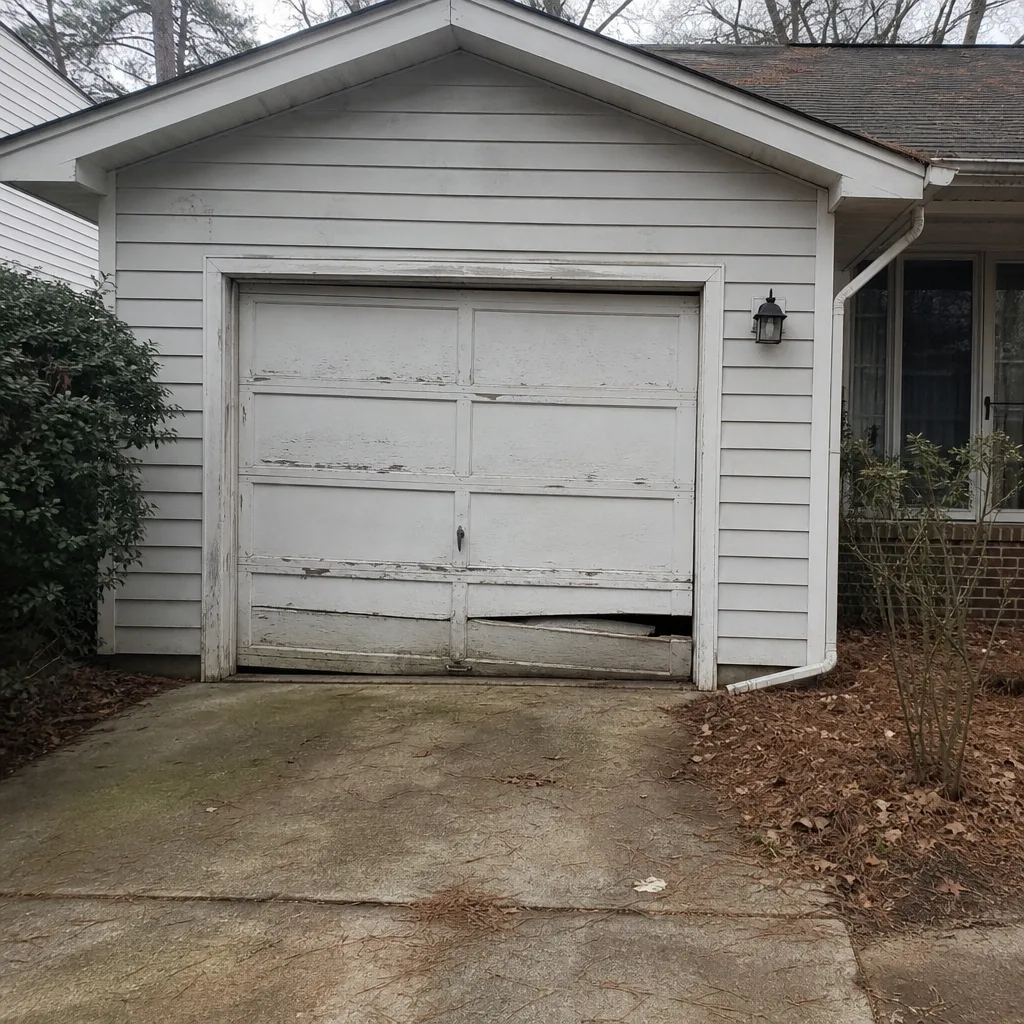 Before
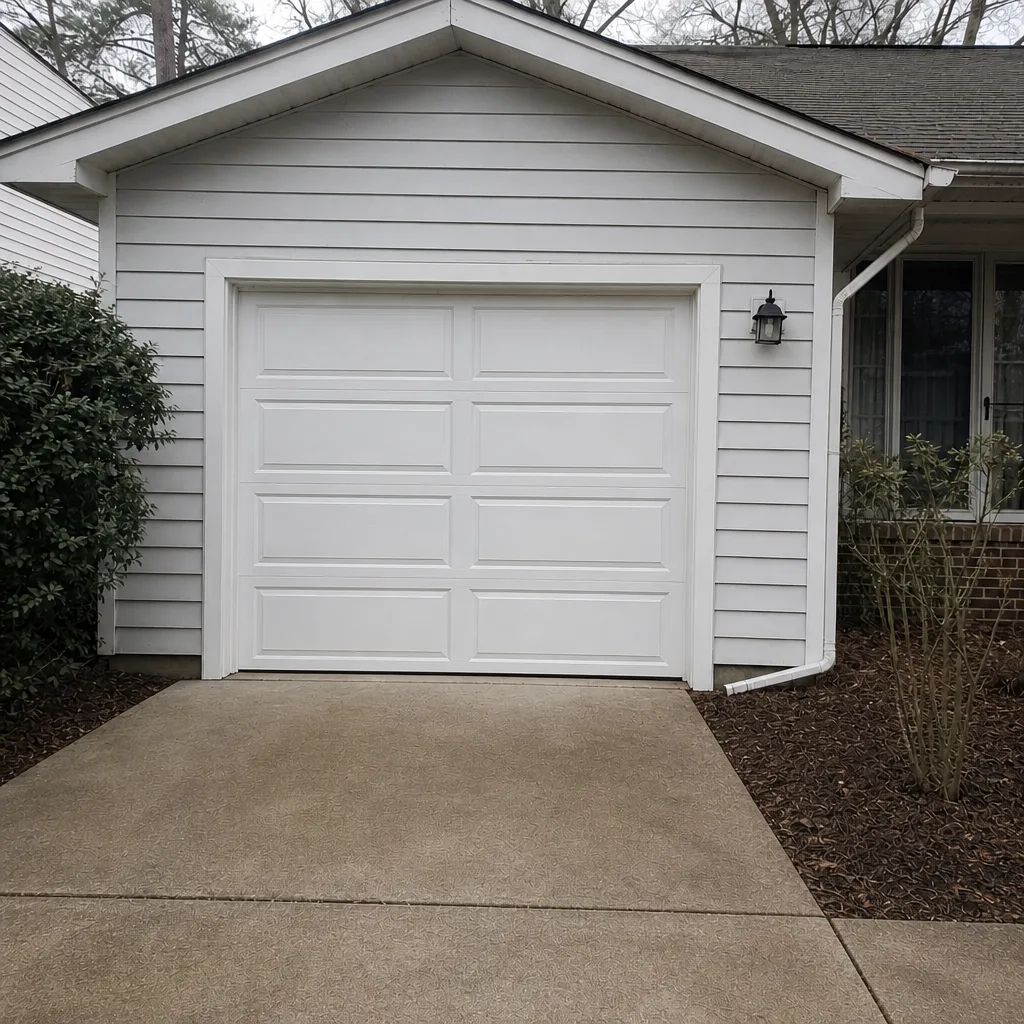 After
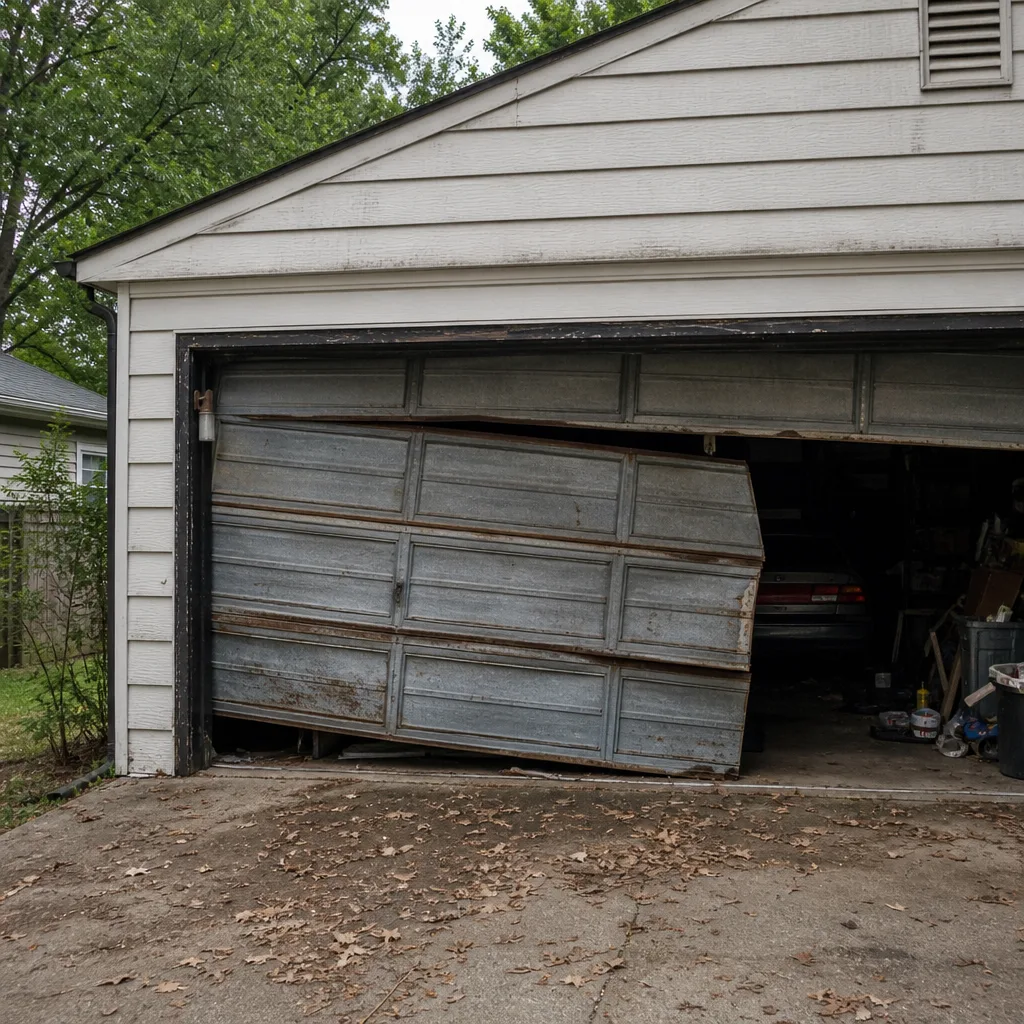 Before
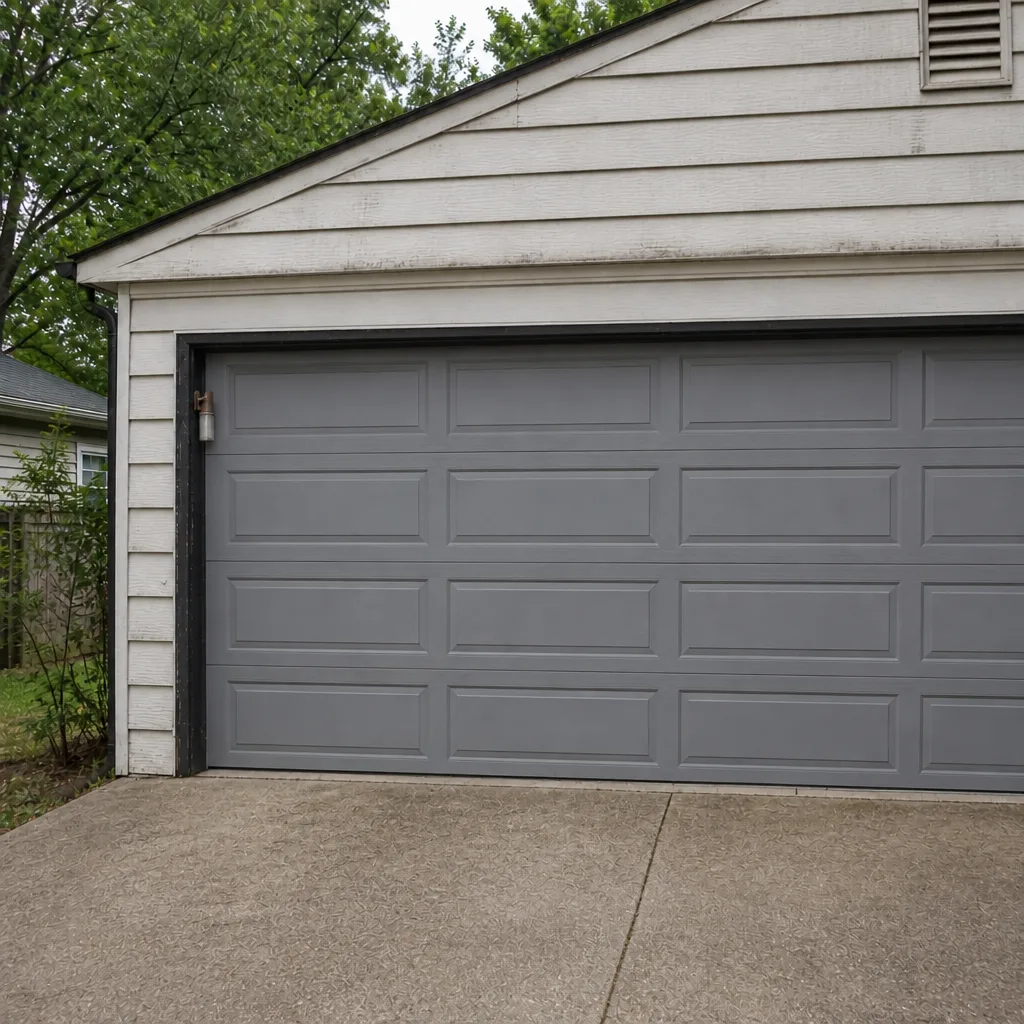 After
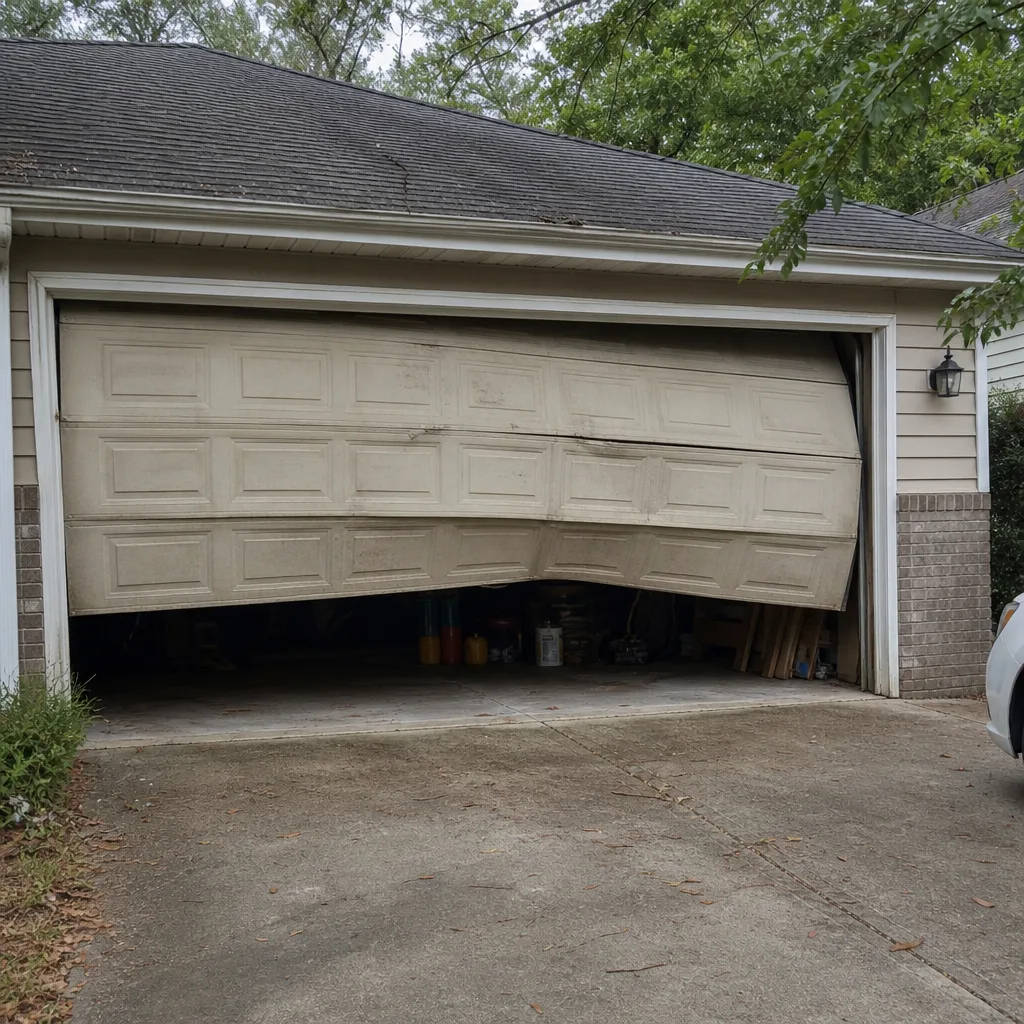 Before
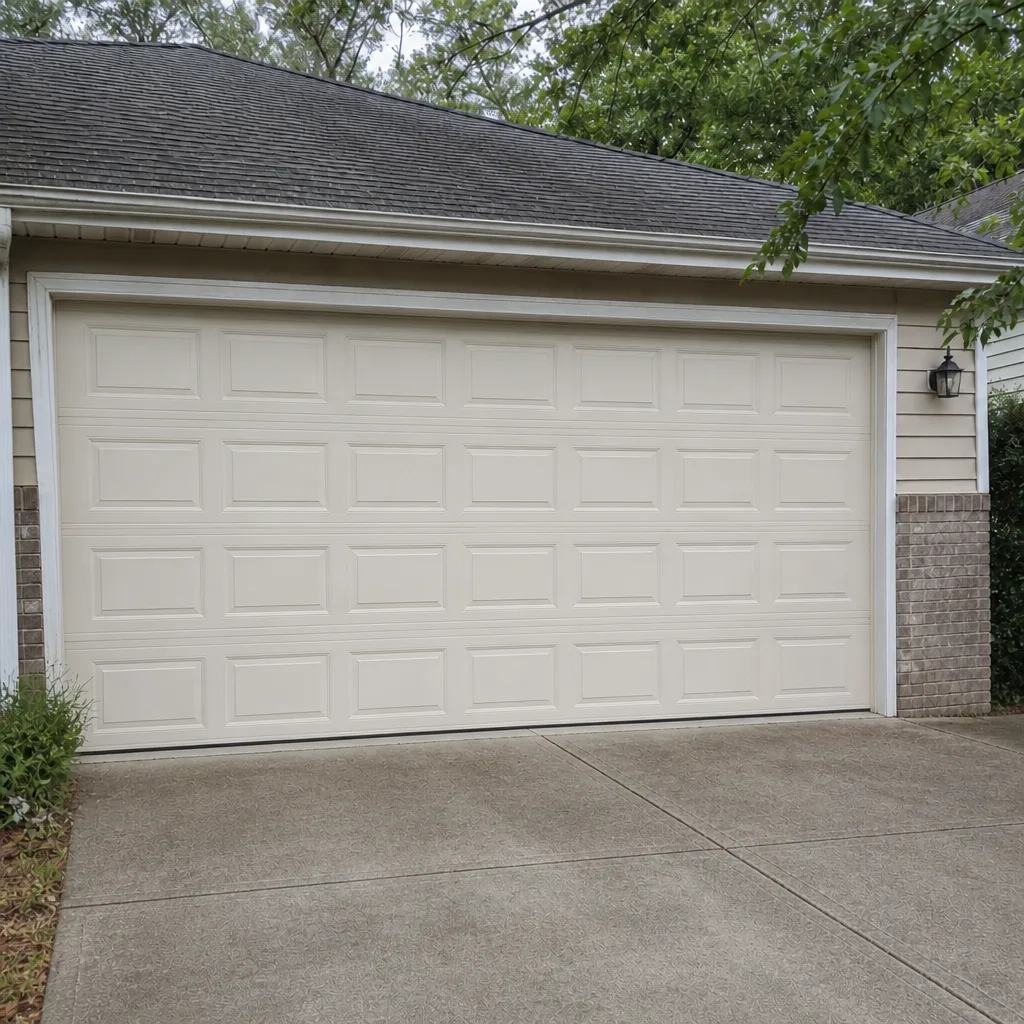 After
When to Call a Professional
Call a licensed installer when the scope is anything beyond a like-for-like swap: new opener, a door on a changed opening, a carport conversion, or a spring or cable that’s showing stress. Those are the jobs where the permit question, the inspection exposure and the physical safety overlap. Springs and cables carry enough tension to cause serious injury to someone untrained, no matter how careful they are.
Call us when the door or opener stops working and you need a trained hand on it. We work on the brand you already have, whether that’s a Clopay, LiftMaster or Chamberlain system. One call covers both the door and the opener, so you don’t need a second provider.
Cary Garage Door Service offers free estimates in Cary. Call (855) 360-7403. We answer 24/7. Fast dispatch from 7am to 7pm, Sunday through Friday. Same-day repair is available on many jobs, and the written estimate sets the final price before any work starts.
Frequently Asked Questions
It depends on whether the structural opening changes. A like-for-like replacement on the same opening generally does not require a Town of Cary building permit, but a full replacement that changes the header, jambs, opening size or track and spring geometry can. Confirm your specific scope with the Town of Cary building department before ordering the door. Call (855) 360-7403 for a free measure and a written price.
No. They are separate approvals from separate authorities. The HOA review addresses appearance and covenants, and the Town of Cary permit addresses safety and building code compliance. Both can be required on the same job, and passing one does not satisfy the other. If you’re not sure which applies, call (855) 360-7403 and we’ll talk through the scope.
An inspector checks that the installation matches the permitted scope and functions safely. The recurring flags are framing changes not shown on the permit, spring and cable tensioning, track alignment and door travel, and opener safety reverse. A job installed to spec passes cleanly the first time. Call (855) 360-7403 for a free estimate.
You can pull a Town of Cary permit as a homeowner for work on your own residence. Having your installer pull it is usually the safer arrangement, because the contractor then owns the inspection exposure and the liability for the work. Put the permit responsibility in writing on the estimate. Call (855) 360-7403 with questions about your scope.
Yes. Converting an open carport to an enclosed garage changes the building envelope, and the job typically involves new framing, a header, and often electrical for the opener. That’s a construction project, not a replacement. Confirm the scope with the Town of Cary building department before work begins. Call (855) 360-7403 for a free estimate.
An opener replacement alone doesn’t trigger a Town of Cary permit, so no inspection applies. The opener still must be installed to manufacturer instructions and the safety reverse must function. If the door and opener aren’t set to work together, the result is an unsafe system even without a permit. Call (855) 360-7403 for a free check and quote.
The Bottom Line
The permit question in Cary comes down to whether the work changes the structural opening. Panel swaps and opener replacements usually don’t. Full replacements sometimes do. Carport conversions always do. Keep the three gates separate in your thinking: Town of Cary permit, Wake County inspection, and HOA architectural review. Confirm each one for your scope before you order the door. Confirm in writing who’s pulling the permit. The cost of one extra phone call is small. The cost of redoing the work, or failing an inspection with a door you’ve already paid for, is larger than the job.
If you want a trained eye on the scope before you decide, we’re here. Cary Garage Door Service works on the door and the opener together, on the brands you already own. Garage door repair handles the mechanical side, garage door opener repair handles the electronics, and we cover the full scope of work in Cary without sending you to a second provider.
Contact
Call (855) 360-7403 for a free estimate. We answer 24/7. Fast dispatch from 7am to 7pm, Sunday through Friday. Upfront pricing, licensed and insured, and the price is quoted and agreed before any work starts.
Written by the team at Cary Garage Door Service.