
Last updated November 14, 2026
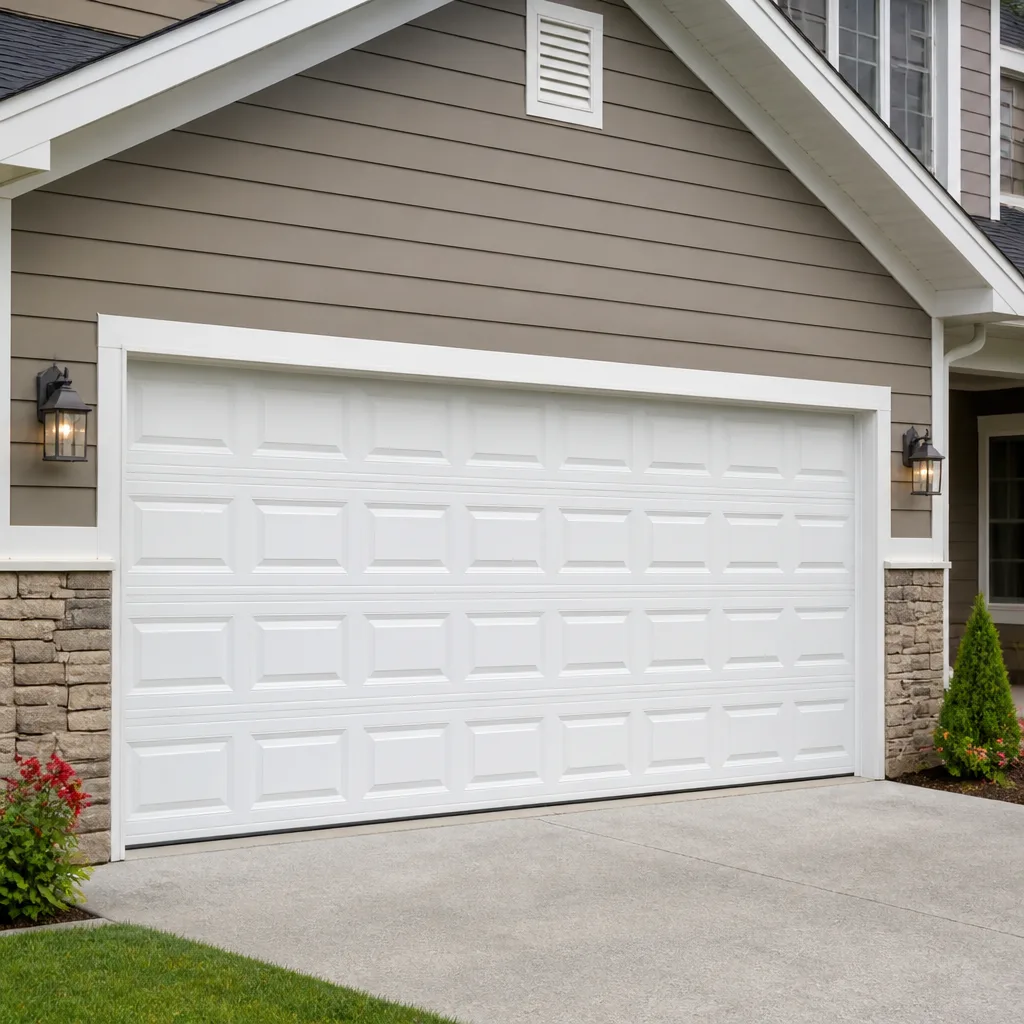 Raised-panel steel
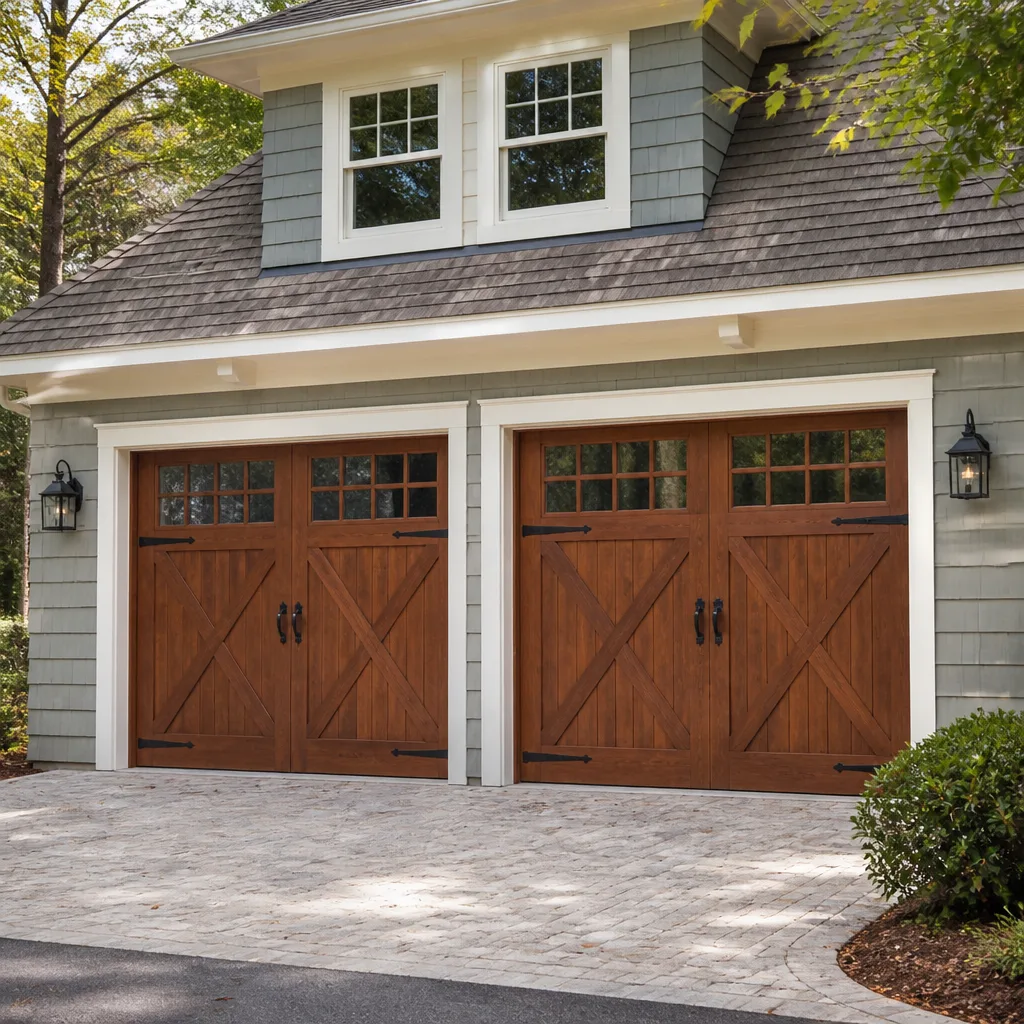 Carriage house
 Modern flush
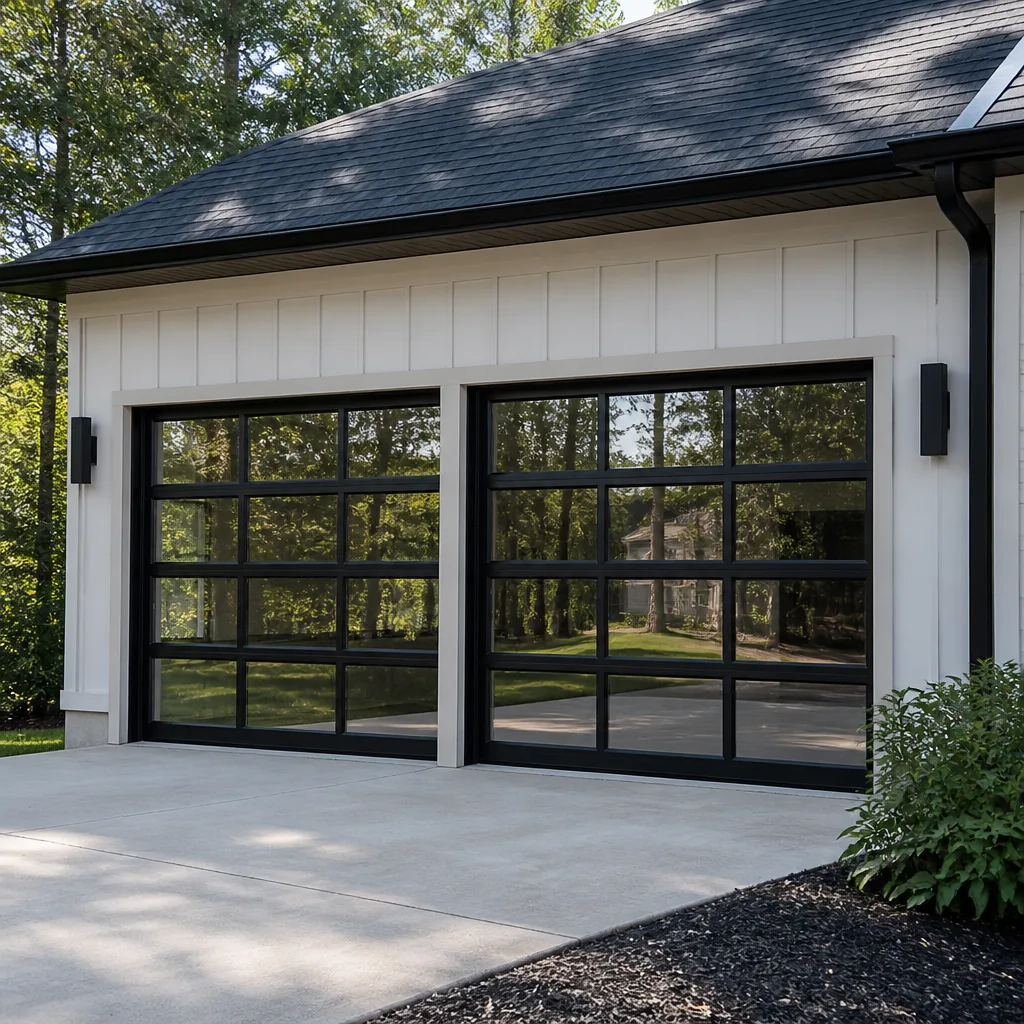 Full-view glass
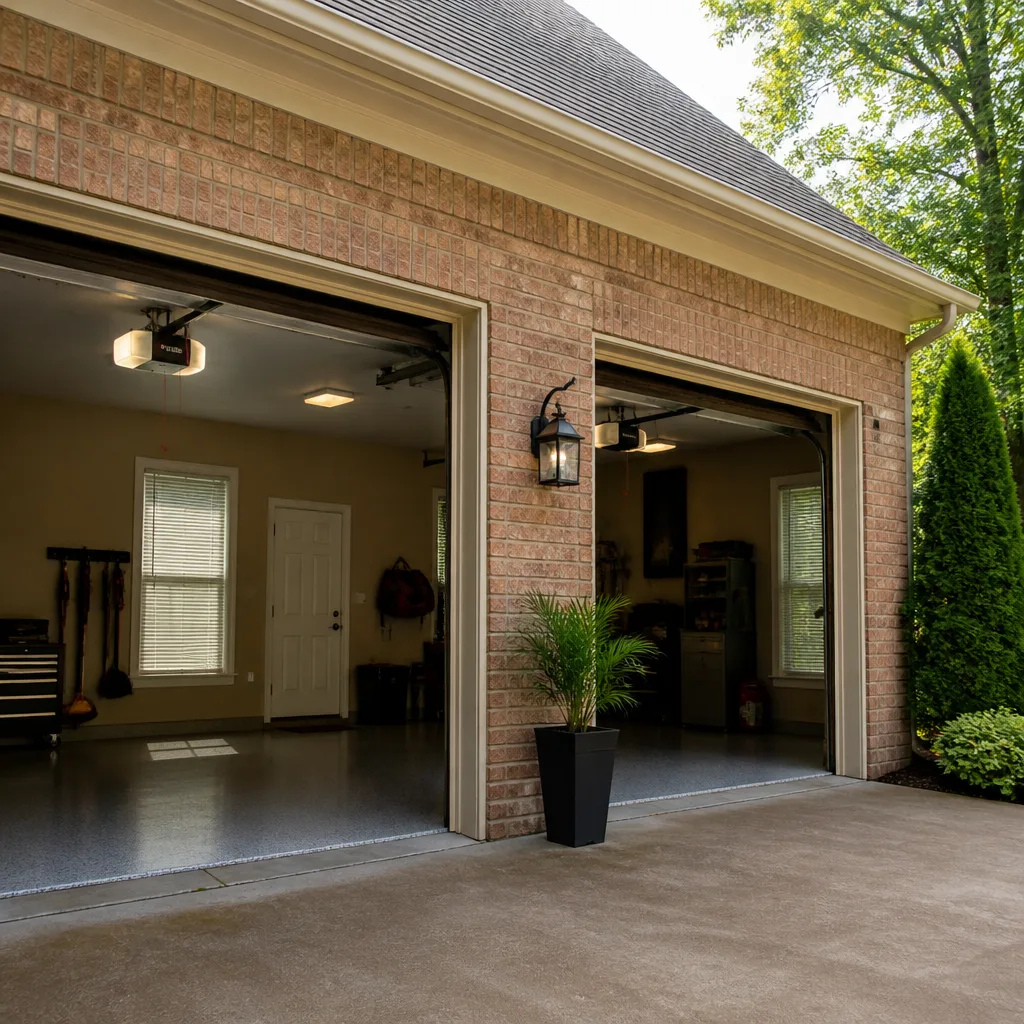 LiftMaster openers
 Chamberlain openers
Full 25-point door and opener safety check with every visit - springs, cables, rollers, tracks, and your LiftMaster or Chamberlain opener included
You get a price before we start. It does not change when the pro arrives.
Get your free estimateGarage Door Repair Maintenance Checklist for Cary Homeowners
The number-one cause of premature garage door opener failure isn’t the motor. It’s the door. A dry, misaligned, or binding door forces the opener to pull far harder than it was ever rated for, and the motor pays the price for a problem that started in the tracks and hinges. Most homeowners in Cary never check the door itself. They notice the opener groaning or straining toward the end of its life and assume the box on the ceiling is the problem. This guide changes that. Every task below comes with a pass/fail standard, so you know what a problem actually looks like, sounds like, and feels like instead of guessing what “inspect for wear” means. You’ll learn which jobs you can safely do, which belong to a technician, and how Cary’s humid summers change the schedule.
Quick Answer
A solid garage door maintenance checklist for Cary homeowners covers five things: balance and travel testing, auto-reverse safety testing, lubrication of moving metal parts, track alignment, and hardware tightening. Do the quick weekly and monthly visual checks yourself, lubricate hinges and rollers twice a year, and leave spring, cable, and opener-force adjustments to a trained technician. Cary’s humid summers make lubrication and hardware checks more important here than in drier climates.
Styles & brands we work with
- Raised-panel steel
- Carriage house
- Modern flush
- Full-view glass
- LiftMaster openers
- Chamberlain openers
Table of Contents
- Why the Door, Not the Motor, Is Usually the Problem
- The Monthly Five-Minute Garage Door Checklist
- How to Test Door Balance Without Tools
- Testing Auto-Reverse and Travel Limits Safely
- What Cary Humidity Does to Your Garage Door Hardware
- How Often to Service Your Door Based on Daily Use
- Which Tasks Actually Require a Technician
- Opener-Specific Checks for LiftMaster, Chamberlain, and Genie Systems
Why the Door, Not the Motor, Is Usually the Problem
A garage door opener is rated to lift a balanced door. When the door is balanced, its springs carry most of the weight, and the opener only has to nudge it along the tracks. When the door is out of balance, those springs aren’t doing their job, and the opener takes on weight it was never designed to carry. A door that needs one hand to lift by itself might force the opener to work harder than it was rated for on every single cycle. Over time that shows up as strain, noise, and a motor that quits well before it should.
That’s why a maintenance checklist has to start with the door, not the opener. A new opener bolted onto a binding door just fails faster. A brand-new door hung on a tired opener still strains the motor. The door and the opener are one system, and the door is the heavier half.
In our experience across Cary, the same handful of door problems sit underneath most opener complaints:
- Dry hinges and rollers that no longer roll smoothly, forcing the opener to drag the door.
- Out-of-balance springs that leave the door heavy on the way up.
- Track dents or misalignment that pinch the rollers and add friction.
- Loose brackets and bolts that rattle and flex under load.
- Worn rollers that wobble instead of rolling true.
None of these are opener problems. All of them wear the opener out. If you check the door first, you’ll catch most of them before they cost you a motor. This is why we always diagnose the whole system. One call covers both the door and the opener, so we find the real cause instead of replacing a part that was never the problem.
The Monthly Five-Minute Garage Door Checklist
A thorough garage door maintenance checklist for Cary homeowners doesn’t need to take an afternoon. The high-value checks take about five minutes, and they tell you in plain terms whether the door is healthy or headed for trouble. Run through this list once a month. Each item has a pass and a fail so you’re never guessing.
- Look at the door from inside, standing back. Pass: the door sits level, with straight panels and even gaps along both sides. Fail: a visible tilt, sag, or gap on one side.
- Listen while the door opens. Pass: quiet, smooth, even sound from bottom to top. Fail: grinding, squealing, popping, or a loud thud at the start or end of travel.
- Watch the rollers in the tracks. Pass: rollers roll smoothly and the door slides without wobbling. Fail: wobbling, hopping, or a door that shudders side to side.
- Check the tracks with your fingertips (no tools). Pass: tracks feel straight and smooth. Fail: dents, kinks, or visible bends.
- Check the gap at the bottom. Pass: the bottom rubber seal touches the floor across its full width. Fail: daylight showing under the door, or the seal split, stiff, or torn.
- Rattle the hinge bolts by hand. Pass: nothing moves. Fail: any bracket or hinge that shifts when you press it.
- Press the wall control and count. Pass: the door responds immediately. Fail: a delay, a hesitation, or a door that stops and reverses without a clear reason.
If a monthly check fails, note what you saw and heard. That’s the single most useful thing you can tell a technician when you call. A description of the noise at a specific point in the travel saves diagnostic time and helps pin down the cause right away.
How to Test Door Balance Without Tools
The balance test is the most important thing you can check on your own, and it’s the one most homeowners skip. A well-balanced door stays partly open on its own because the springs carry the weight. An unbalanced door wants to drop or feels heavy to lift. You can test this safely with your hands and nothing else, but only a manual or disconnect-able door. Never test balance with the opener engaged.
- Close the door completely and set the opener to manual by pulling the red emergency release handle hanging from the rail.
- Lift the door by hand to about halfway and let go gently.
- Watch what it does. Pass: it stays roughly where you left it. Fail: it drops to the floor (springs too weak) or rides up on its own (springs wound too tight).
- Lift it fully by hand to check for smooth resistance. Pass: it moves easily the whole way up. Fail: a heavy spot, a grind, or a door that needs real effort.
- Re-engage the opener by pushing the release handle back to the connected position and cycling the door once to confirm it moves normally.
If the door fails the balance test, the door is wearing out the opener. That’s a job for a technician. Garage door springs hold serious stored energy, and adjusting them without training and the right tools is dangerous. Leave spring work to a trained professional. If the door passes, you’ve confirmed the foundation is solid and you can move on to the safety checks below.
Testing Auto-Reverse and Travel Limits Safely
Auto-reverse is the safety system that makes a closing door stop and go back up when something is in its path. It’s the most important safety feature on the whole system, and it should be checked monthly. There are two parts to test: the mechanical reverse (the door itself reacting to an obstacle) and the safety sensors near the floor. Neither test requires tools, and both take under a minute.
The mechanical reverse test:
- Open the door fully, then push the button to close it.
- As it descends, wave a broom handle or similar object under the closing edge.
- Pass: the door stops and reverses back up immediately. Fail: it keeps closing or hesitates before reversing.
The safety sensor test: locate the two small sensors mounted near the floor on either side of the door. They face each other, and one usually has a small indicator light. Wave your leg or a tool between them while the door is closing. Pass: the door reverses. Fail: it continues down. If a sensor’s indicator light is dark or blinking, the beam is broken or misaligned.
The travel limit check: watch the door through a full open and close cycle. Pass: it stops close to the ground without slamming and opens to clear the header. Fail: it reverses before reaching the floor, or closes so hard it shakes the door frame. Travel limits are set on the opener itself, and on newer LiftMaster and Chamberlain units they’re often adjusted through the motor housing. That setting is worth checking with a technician if the door isn’t opening or closing fully. A door that hits the floor hard stresses the whole system and can damage the bottom seal.
Same-day service matters here. A door with a failed auto-reverse is a safety concern, and fast dispatch from 7am to 7pm means we can get a technician out to look at it promptly. Call (855) 360-7403. We answer 24/7. A call outside dispatch hours is booked into the next opening, Sunday through Friday, 7am to 7pm.
What Cary Humidity Does to Your Garage Door Hardware
Cary’s summers are long, warm, and humid. That combination takes a quiet toll on garage door hardware. The metal parts – hinges, rollers, springs, track, and the fasteners that hold it all together – go through months of humid, hot air every year, and garages often trap that moisture because they’re not climate controlled. The result isn’t dramatic rust overnight. It’s slow: rollers that turn stiff, hinges that grind instead of pivot, and bolts that work loose from repeated expansion and contraction.
Here’s what that means for your checklist in Cary specifically:
- Lubricate more often than the minimum. Twice a year works in drier climates. In Cary, warm humid months make hinges and rollers stiff faster, so a third round of lubrication in late summer is worth the five minutes.
- Check for surface rust on the springs and track. Pass: clean metal. Fail: rust spots or a rough, gritty feel. Rust on a spring means the spring is under stress and worth a professional look.
- Watch the bottom seal. Heat and humidity make the rubber stiffen and crack. A stiff seal no longer seals, and it can catch and drag the door.
- Re-tighten nothing structural. Snugging a loose bracket bolt by hand is fine. Tightening spring hardware, cables, or the track-to-wall mounts is not a homeowner job.
- Keep the tracks dry and clear. Debris and moisture in the tracks invite corrosion. A clean, dry track rolls better and lasts longer.
This is the local piece that a generic national checklist misses. A door that gets lubricated twice a year in a dry climate can bind up in Cary if it’s on the same schedule and the summers are heavy. Adjust your routine to the weather here, not to a checklist written somewhere else.
When humidity-related wear shows up as grinding, snapping, or a door that won’t stay aligned, that’s the kind of problem a maintenance check can catch early. If a repair turns out to be necessary, our garage door repair service covers the mechanical door and the opener together.
How Often to Service Your Door Based on Daily Use
There’s no single right maintenance interval for every home. A door that opens and closes twice a day ages at a different rate than one that runs four or five times a day. The number of cycles, not the calendar, is what wears the moving parts. A two-car Cary household where one car leaves in the morning and another comes and goes during the day puts a lot more cycles on the door than a single-car household that leaves once and returns once.
Here’s how the intervals change based on daily use:
- Light use (1-2 cycles a day, single-car home): Monthly visual checks, lubrication every six months, a full balance and safety test every six months, and a professional tune-up once a year. This is the lightest schedule.
- Moderate use (3-4 cycles a day, two drivers): Monthly visual checks, lubrication every four to five months (add a round in late summer for Cary humidity), a full balance and safety test every three to four months, and a professional tune-up once a year.
- Heavy use (5+ cycles a day, multiple drivers, deliveries): Monthly visual checks, lubrication every three months, a full balance and safety test every two months, and a professional tune-up every six to nine months.
Think of the door the way you’d think of a car. More miles, more frequent oil changes. A garage door is a mechanical system with a set of springs, rollers, and a motor that all wear down in proportion to how much they’re used. Homeowners in Cary who treat it as a set-and-forget feature tend to notice the door getting noisy or slow only when it’s already a repair – whereas a homeowner with a light but steady routine catches those changes early.
The good news: none of the monthly checks take real effort. You already walk past the door every day. The only adjustment is knowing what to look for, and the monthly checklist above covers that.
Which Tasks Actually Require a Technician
A maintenance checklist is only useful if it’s honest about the line between do-it-yourself and hands-off. Some checklists inflate the technician list to drum up service calls, and some understate the danger to look simple. Here’s the real line, based on what a competent homeowner can safely do at home.
What you can do yourself:
- Monthly visual checks: level, gaps, seal, noise, and track feel.
- Lubricating hinges, rollers, and pivot points with a proper garage door lubricant.
- Testing balance and auto-reverse (with the opener released as described above).
- Wiping the tracks clean and keeping them free of debris.
- Replacing a worn bottom seal, if you choose to tackle it.
- Snugging a loose bracket or hinge bolt by hand.
What requires a trained technician:
- Any work on the springs or cables. Garage door springs hold stored tension that can release suddenly and seriously injure someone without training. Cables are the same. Leave both to a professional, always.
- Track repair or realignment. Tracks are structural. A bent track is not a gentle nudge job; it’s a professional fix.
- Opener force and travel limit adjustment when the door isn’t opening or closing fully. Wrong settings can defeat the safety reverse.
- Replacing a broken spring or roller that requires the door to come down safely – even a single roller, if it can’t be swapped with the door secure in the up position.
- Any issue that makes the door unbalanced or hard to lift. If the balance test fails, stop testing and call.
That’s a short list on purpose. Most of the day-to-day care is yours. When the work involves stored energy or the safety system, it’s ours. In our experience, the homeowners who understand this line end up spending less, because they catch the small stuff and rarely have to call on the big stuff. If you’re not sure which side of the line a problem is on, call (855) 360-7403. We answer 24/7. Fast dispatch from 7am to 7pm.
Opener-Specific Checks for LiftMaster, Chamberlain, and Genie Systems
The opener is a smaller part of the maintenance picture than most homeowners assume, but it has its own checks. Then there’s the brand question. An opener built by LiftMaster, Chamberlain, or Genie all share the same basic functions – a motor, a rail, a carriage, and a set of travel and force adjustments – but the controls, remotes, and newer smart features differ. A maintenance checklist should point you toward the right place to look for each one.
Regardless of brand, here’s what to check on the opener itself:
- Does the wall button respond immediately? Pass: instant response. Fail: delay or no response, which points to the controls or the battery, not the motor.
- Does the remote work from the driveway? Pass: reliable range. Fail: you need to be closer, or replace the battery first.
- Is the opener light behaving normally? Pass: light comes on and goes off as expected. Fail: flickering or no light, worth a check.
- Is the opener housing free of strange rattles? A sound coming from inside the housing is likely the motor or the gears, not the door.
- Does the door reverse when you test the sensors and mechanical reverse? This tests the opener’s safety function, not just the door.
Knowing the brand matters when something needs attention. If you have a LiftMaster or Chamberlain, the opener may have a safety reverse and travel limit set through the control panel on the motor housing. A Genie may use a different set of controls. A maintained multi-brand shop knows the difference. We work on the brand you already have and the systems tied to it, so you’re not steered toward a replacement just because the system isn’t on someone’s preferred list. If those checks point to an opener fault, our garage door opener repair covers the electronics side, and if the door side of the system is the issue, repair can handle both in one visit.
Common Mistakes to Avoid
- Lubricating with the wrong product. Spraying a light household oil or silicone on tracks and rollers attracts grit and does more harm than good. Use a garage door lubricant meant for hinges, rollers, and pivot points.
- Skipping the balance test. Running the door without checking balance means the opener is carrying weight it shouldn’t. A failed balance test is the earliest warning you’ll get.
- Tightening everything in sight. Snugging a loose bracket is fine. Cranking down on spring or cable hardware is dangerous. Know which bolts are yours to touch.
- Ignoring the bottom seal through Cary summers. A stiff, cracked seal lets in water and pests, and in humid months it drags on the door. Check it once a year and replace it when it stops sealing.
- Disconnecting the opener and never re-engaging it. Homeowners who pull the emergency release for a balance test and forget to reconnect get a door that works by hand but not with the remote. Push the release handle back into the connected spot and test a full cycle.
- Diagnosing the opener before the door. Replacing a motor when the door is binding is the most expensive mistake on this list. Test the door first, and the opener second.
- Trying spring or cable work at home. Springs hold stored energy that can release suddenly. A door with a broken spring or cable should be left alone until a technician arrives.
See the difference
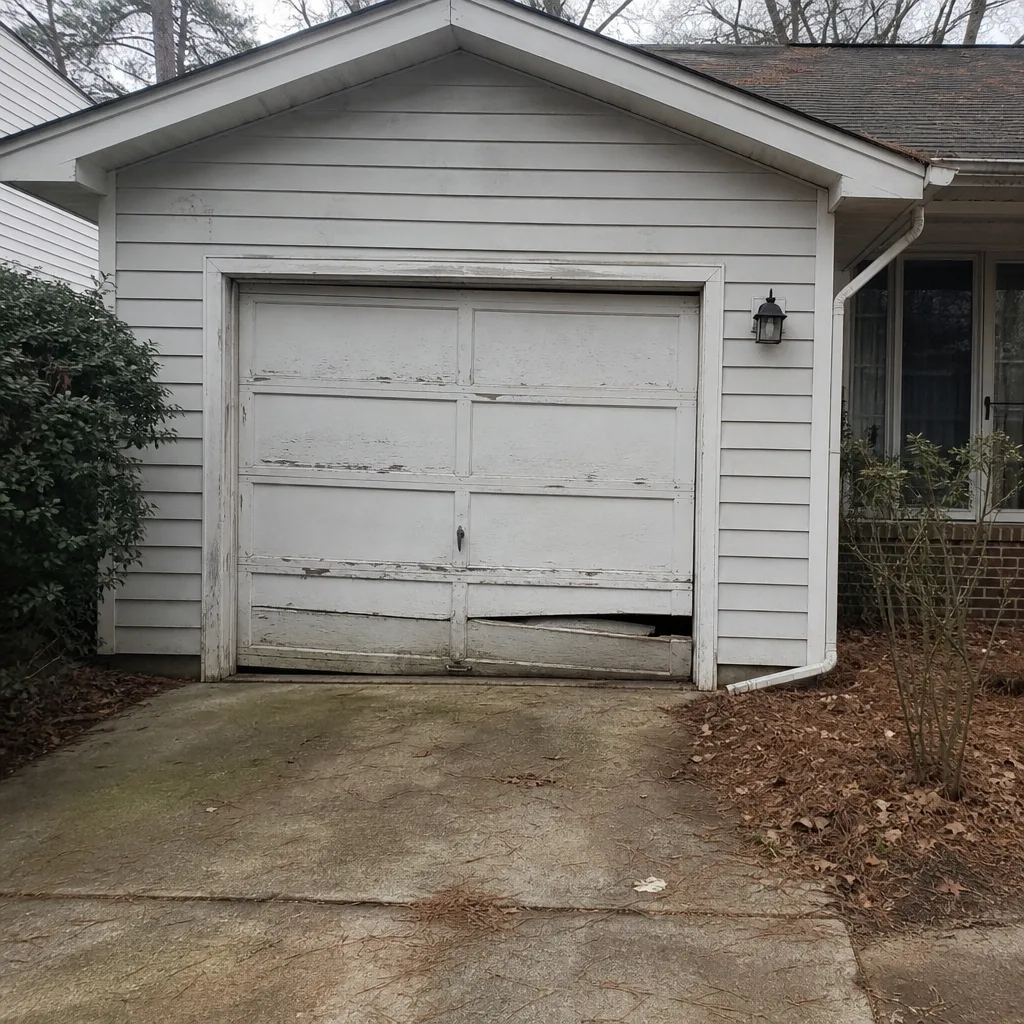 Before
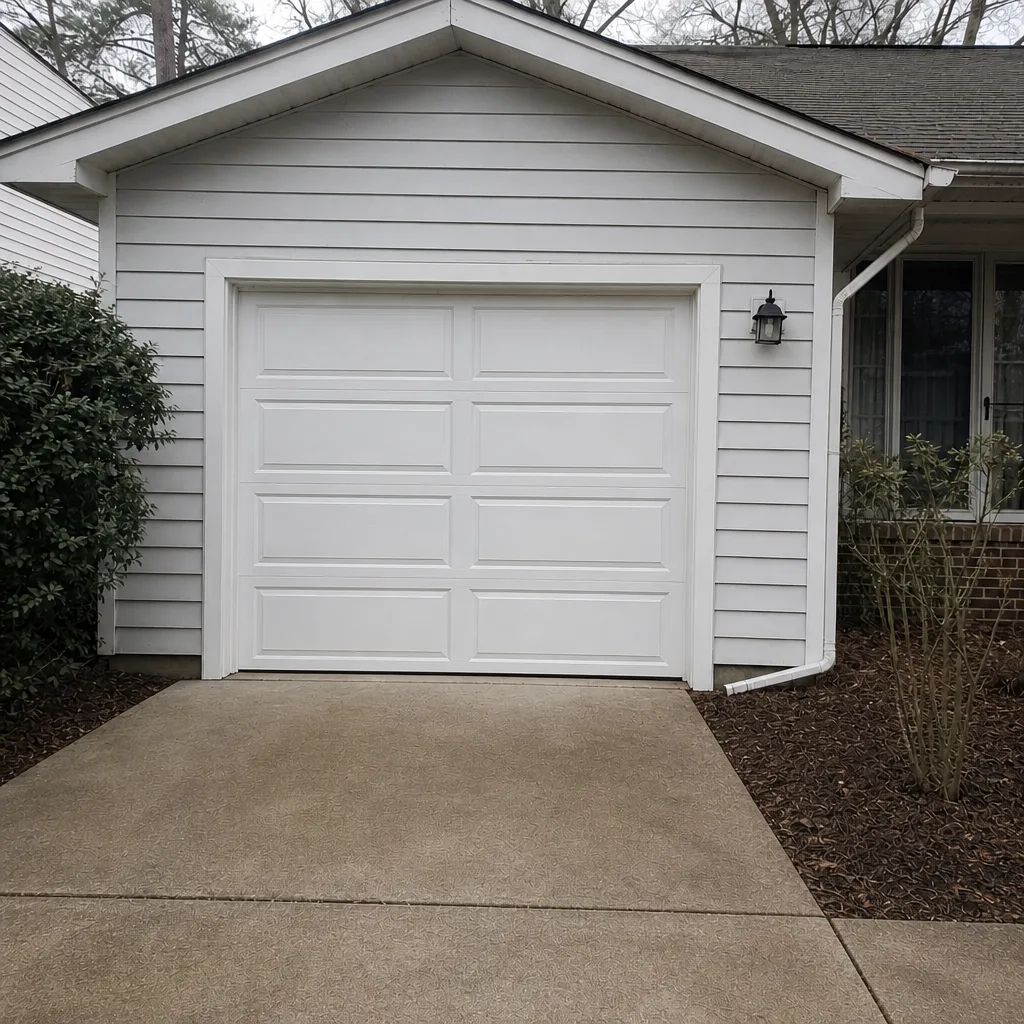 After
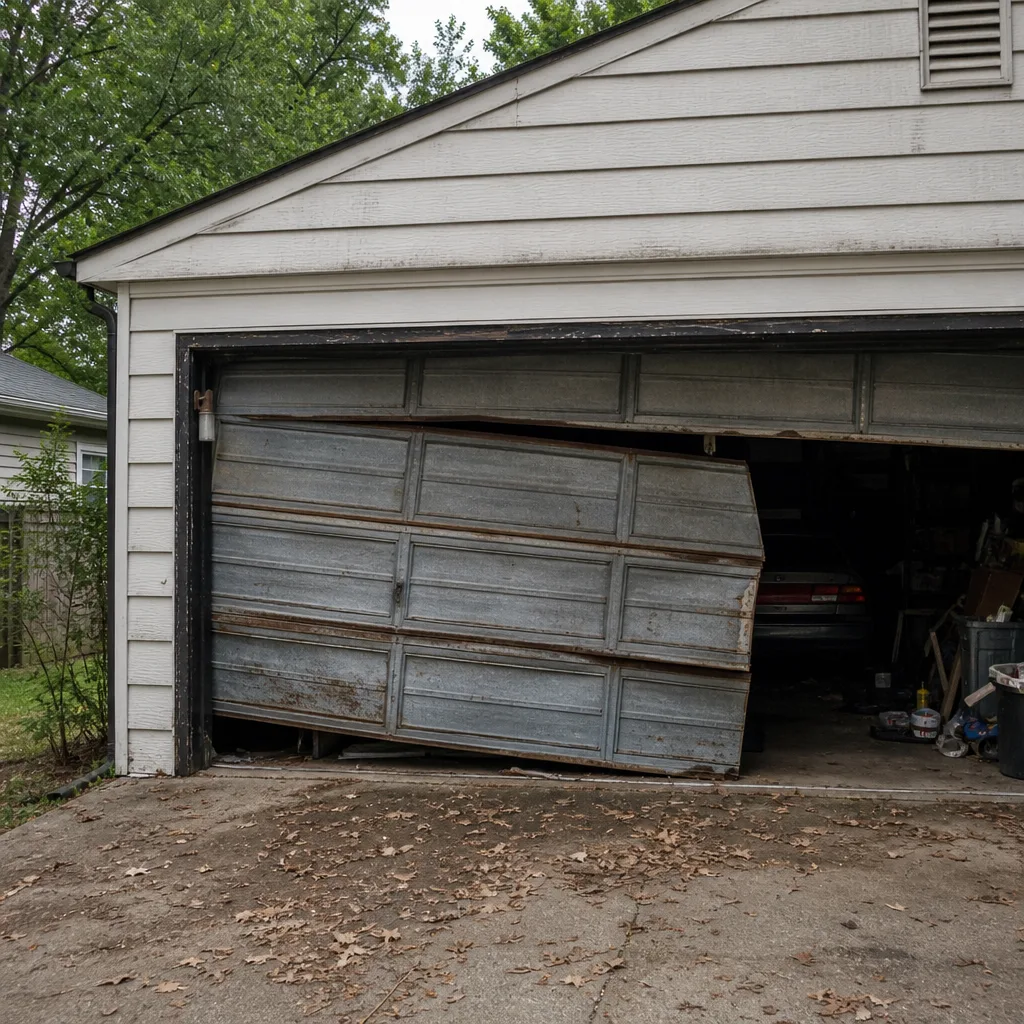 Before
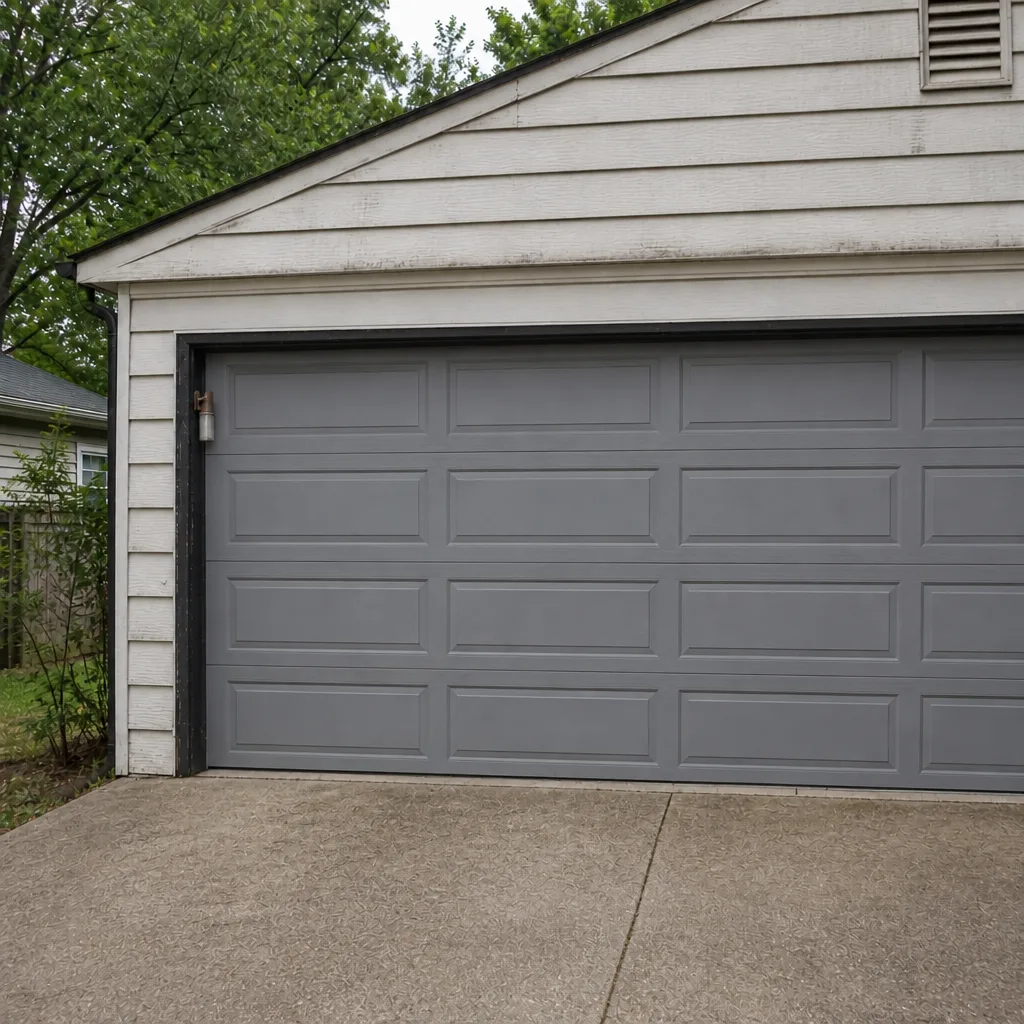 After
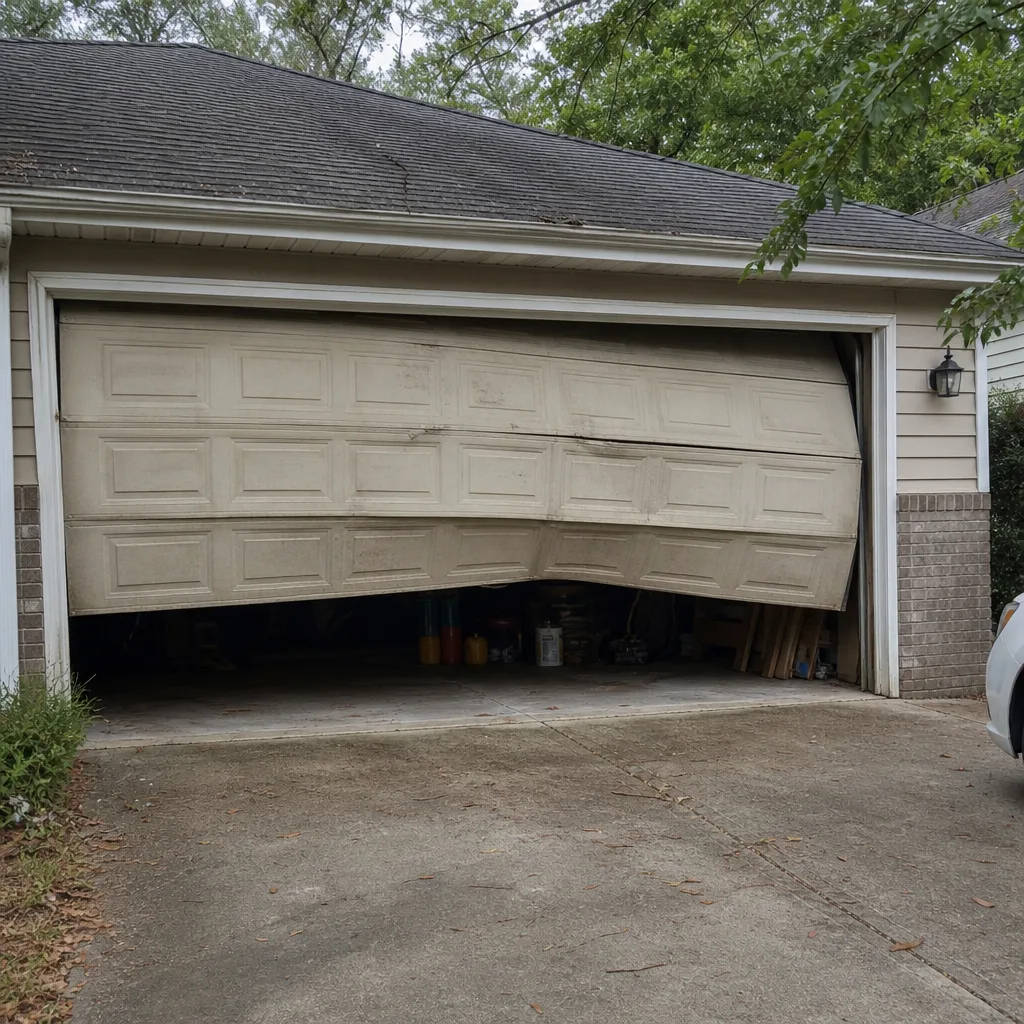 Before
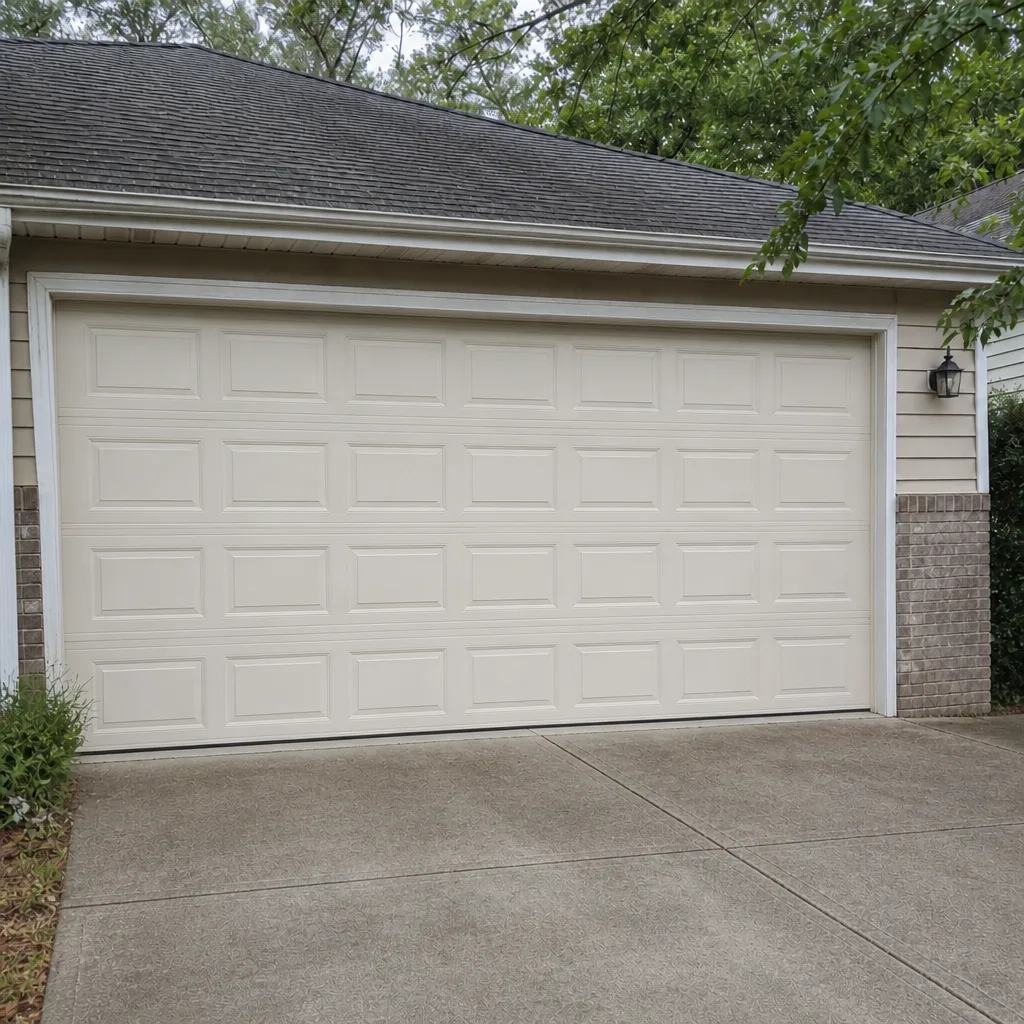 After
When to Call a Professional
Call a professional when the balance test fails, when you see a broken spring or cable, when the door reverses before reaching the floor or hits hard, when a track is visibly bent, or when the opener runs but the door doesn’t move. Also call if you hear a snap or a crash, or if anything has happened that leaves the door stuck in an unsafe position. None of these are jobs for a homeowner. Cary Garage Door Service offers free estimates in Cary – call (855) 360-7403. We answer 24/7. Fast dispatch from 7am to 7pm, Sunday through Friday.
Frequently Asked Questions
Once a year is the standard for most Cary homeowners, but heavy daily use on a two-car household justifies a tune-up every six to nine months. Wear is tied to cycles, so a door that runs five times a day needs professional service more often than one that runs twice. Between tune-ups, do the monthly checks and lubricate hinges and rollers twice a year, adding a round in late summer for the humidity. Call (855) 360-7403 for an exact quote – estimates are free.
Yes, and you should. Hinges, rollers, and pivot points are safe to lubricate yourself and take about five minutes. Use a garage door lubricant, not a household oil. Leave the springs, cables, and the opener’s internal mechanism to a technician. If you’re not sure which moving parts are safe, we’re happy to walk through it on a call. Call (855) 360-7403 for an exact quote – estimates are free.
That usually points to travel limits that need adjusting or an obstacle the opener is detecting. On many openers this is the downside travel limit, and the fix is a trained adjustment to the opener. Don’t ignore it, because the door is meant to close fully to seal. A technician can set the limits correctly so the door closes cleanly without slamming. Call (855) 360-7403 for an exact quote – estimates are free.
Yes. The independent local professionals we connect you with are licensed and insured, and they’re trained on the door and the opener together, so one visit can address both. Our technicians have up to 10 years of experience, and they work on brands including Raynor, LiftMaster, Chamberlain, and Genie. The written estimate sets the final price, agreed before any work begins. Call (855) 360-7403 for an exact quote – estimates are free.
No. The estimate is written and the price is agreed before any work starts, so there’s no surprise invoice when you see the total. If you have your door described, or have tested it yourself with the monthly checklist, you’ll know what you’re looking at. Call (855) 360-7403 for an exact quote – estimates are free.
If the door passes the balance test and the opener still strains, runs slowly, or struggles to lift, that’s the sign. A door that’s balanced and easy to move by hand but a motor that still labors points to the opener, not the door. If you’re not sure, a maintenance check can diagnose the whole system and tell you whether repair or replacement is the right call. Call (855) 360-7403 for an exact quote – estimates are free.
The Bottom Line
Your garage door works hard, and most of what wears it out is preventable. Test the balance, check the auto-reverse, lubricate the moving metal, and keep the tracks clean. In Cary, the humidity makes the lubrication and hardware checks more important than a generic national schedule suggests, so adjust the intervals to your summer weather. The five-minute monthly look is the highest-value maintenance you’ll do. It catches the small stuff before it becomes a motor or spring repair. When something lands on the “call a pro” list, don’t force it. Springs and cables are serious, and the safety system deserves a trained set of hands. The rest you can do at home.
If your checklist turns up something you don’t want to handle yourself, that’s the moment to call. We connect homeowners in Cary with independent local professionals who work on the brand you already have, and we cover the door and the opener in the same visit. Whether you have a LiftMaster opener or a Clopay door, we’ll get it back up and running. Call (855) 360-7403 for a free estimate. We answer 24/7. Fast dispatch from 7am to 7pm, Sunday through Friday, closed Saturday.
Written by the team at Cary Garage Door Service.