
Last updated November 14, 2026
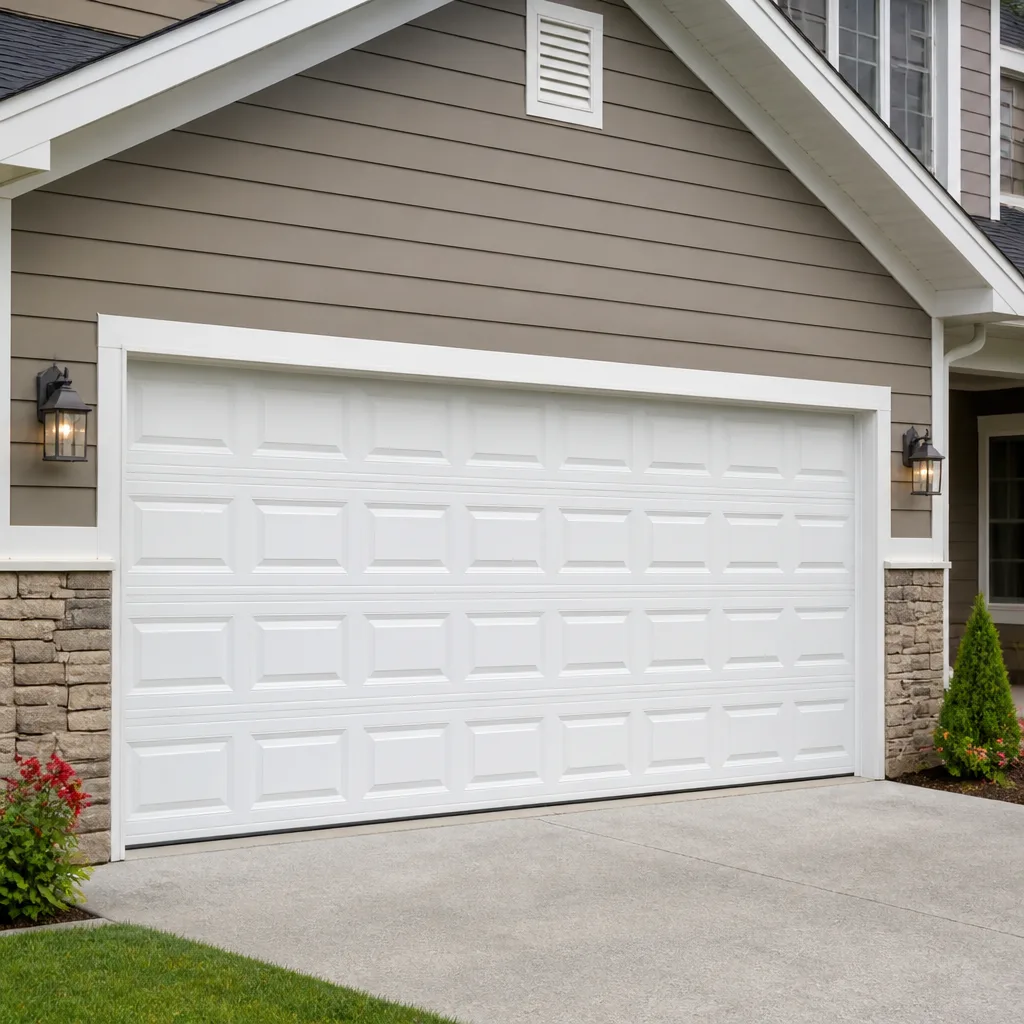 Raised-panel steel
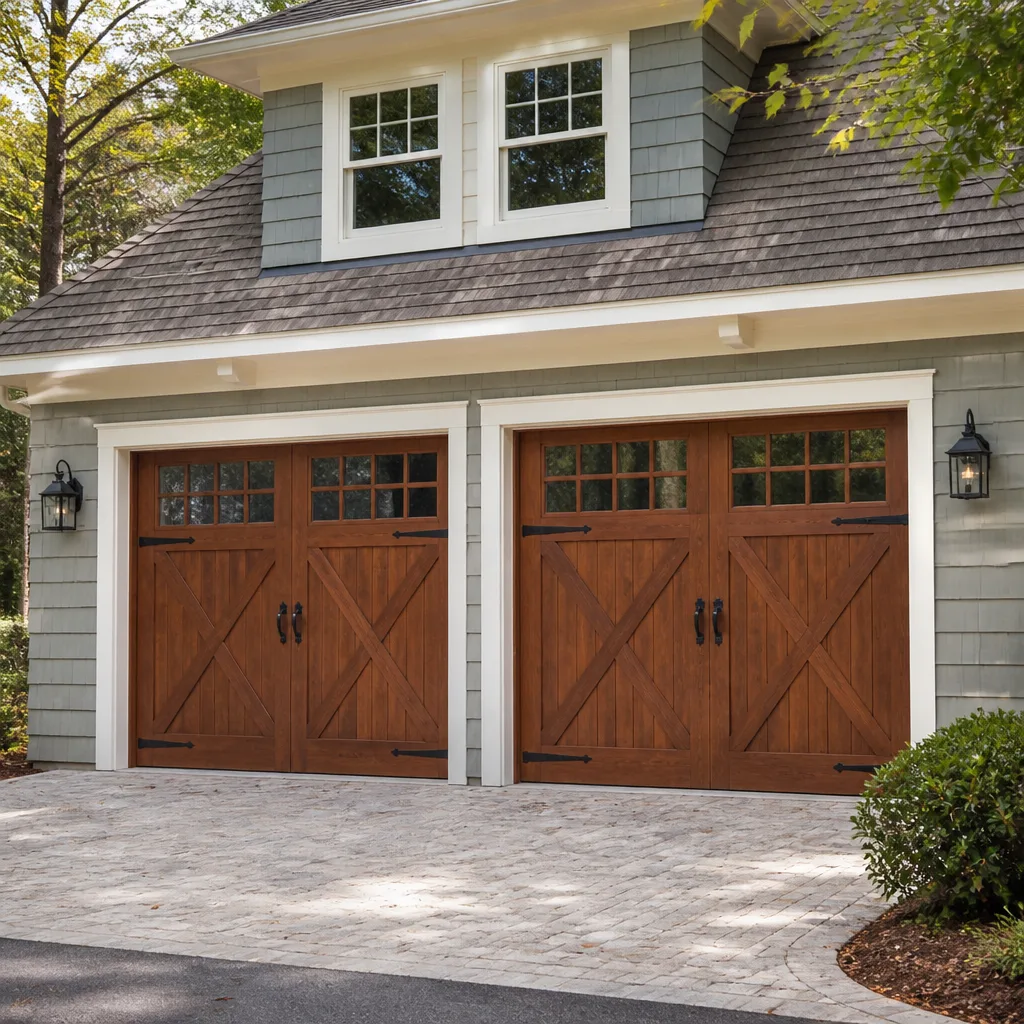 Carriage house
 Modern flush
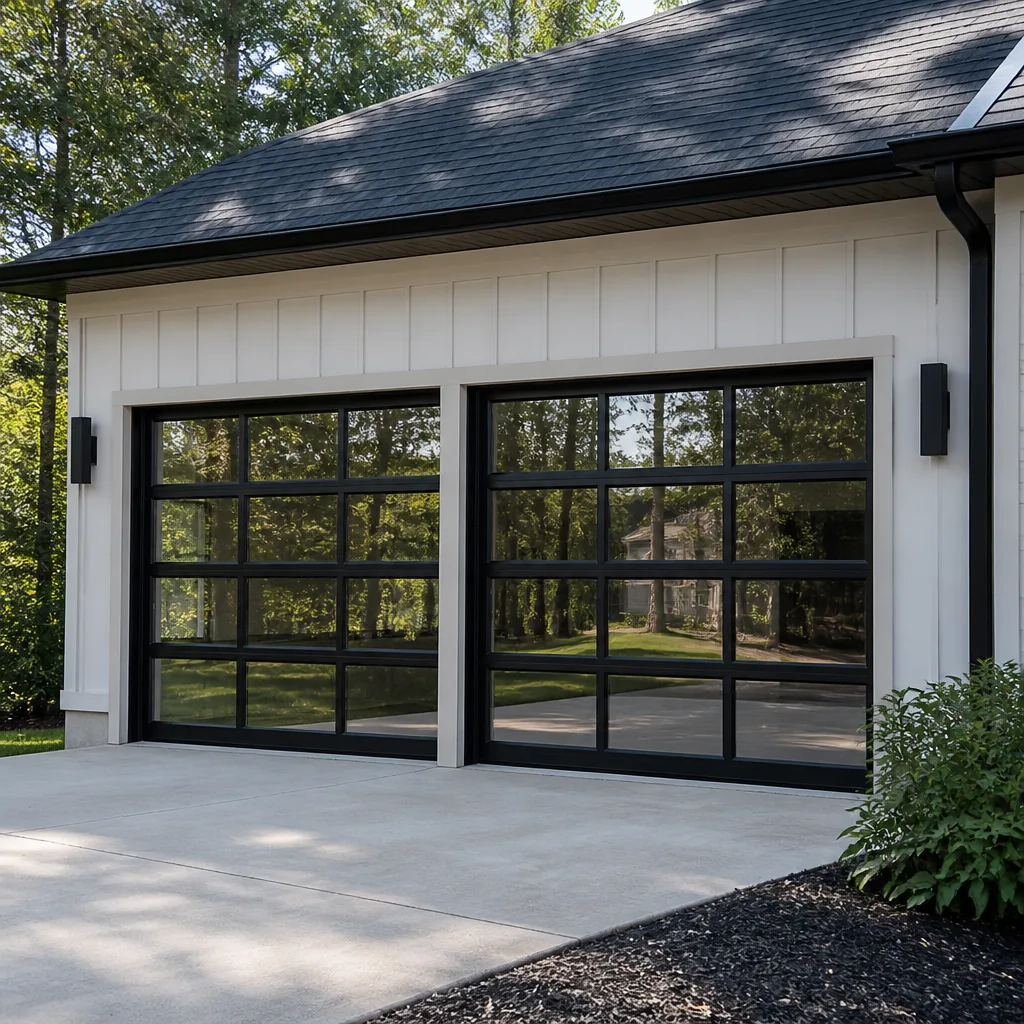 Full-view glass
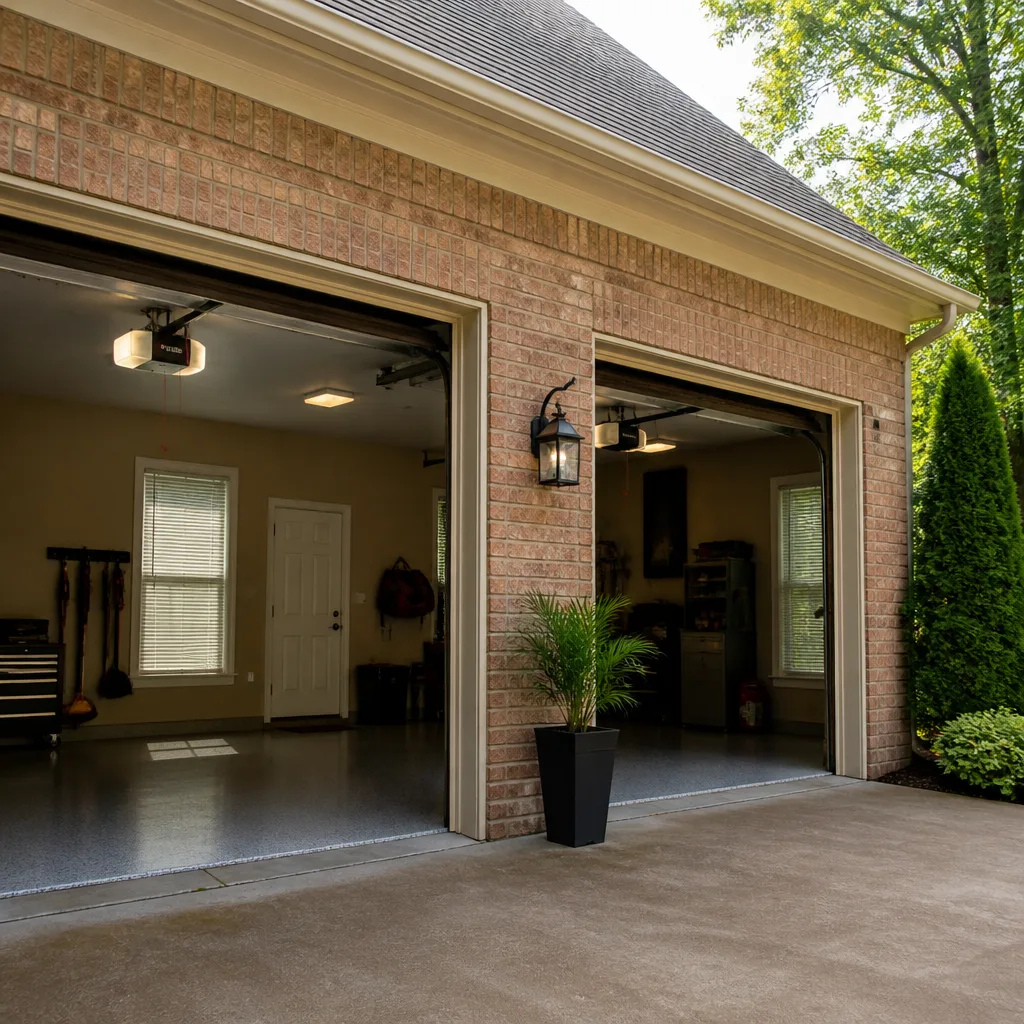 LiftMaster openers
 Chamberlain openers
Full 25-point door and opener safety check with every visit - springs, cables, rollers, tracks, and your LiftMaster or Chamberlain opener included
You get a price before we start. It does not change when the pro arrives.
Get your free estimateGarage Door Emergency Preparedness Guide for Cary Homes
Most homeowners prepare for a garage door emergency by memorizing one thing: the red manual release cord. Pull it, the door comes up, problem solved. That advice is half right, and the other half can turn a stuck door into a dropped one. If a cable is broken or a spring is snapped, pulling that cord releases the door completely, and a door that was stuck is now a door that can come down hard. Garage door emergencies in Cary split into two very different categories: the kind that strand you (door won’t open) and the kind that threaten your home’s security (door won’t close). Each needs its own response. This guide walks through both, in order, so you know exactly what to do before it happens.
Quick Answer
A garage door emergency in Cary usually falls into one of two categories: a door that won’t open (you’re stranded) or a door that won’t close (your home is open). For a door that won’t open, check the opener’s power and the wall control first, then stop if you see a broken spring or snapped cable. For a door that won’t close, don’t force it – secure the opening manually and call for service. When in doubt, call (855) 360-7403. We answer 24/7, and fast dispatch runs from 7am to 7pm.
Styles & brands we work with
- Raised-panel steel
- Carriage house
- Modern flush
- Full-view glass
- LiftMaster openers
- Chamberlain openers
Table of Contents
- The Two Kinds of Garage Door Emergencies
- Stuck Closed: What to Check First, In Order
- Stuck Open: Securing Your Home Until Help Arrives
- The Manual Release Cord: When It Helps and When It Hurts
- Storm Preparedness for Cary Garage Doors
- Power Outages and the Manual Disconnect
- What to Have Ready When You Call
- Common Mistakes to Avoid
The Two Kinds of Garage Door Emergencies
Every garage door failure we see in Cary comes down to a direction. The door won’t move up, or it won’t move down. That sounds like a minor distinction until you think about what each one actually costs you in the moment.
A door stuck closed is an access problem. Your car is trapped inside, and if the garage is your main entry point, so are you. A door stuck open is a security problem. Your home is exposed to the street, your tools and bikes and stored belongings are visible, and depending on where you live in Cary, that exposure can last hours or overnight.
The two failures also have different causes and different fixes. Stuck-closed doors often involve a power issue, a tripped opener, a misaligned sensor, or a torsion spring under tension. Stuck-open doors tend to involve a broken spring, a snapped cable, a bent track, or an obstruction the door detected on the way down and reversed on.
Here’s the practical difference:
- Stuck closed: usually a good candidate for a quick diagnostic before calling. Many are fixed by checking power, sensors, or the wall control.
- Stuck open: less likely to be a simple reset. If the door reversed on the way down and won’t respond, something mechanical or electrical is telling it not to close.
Knowing which emergency you’re in tells you what to check, what to avoid, and how fast you need someone on-site. A stuck-closed door might buy you a morning. A stuck-open door mostly can’t.
Stuck Closed: What to Check First, In Order
If your door won’t open, work through this sequence before you call. It takes about five minutes and rules out the two most common causes.
- Check the opener’s power. Is the opener’s light on? Is the unit plugged in? Has a breaker tripped? If the opener is dead, the door may be fine and the problem is electrical.
- Try the wall control and a remote. If one works and the other doesn’t, the issue is the remote or its battery, not the door.
- Look at the safety sensors. The two small eyes near the floor on either side of the opening need a clear line of sight and a steady indicator light. A bumped sensor, a spider web, or a leaf can break that beam and stop the door from closing – but on some openers it also interferes with opening.
- Check the lock. If the door has a manual slide lock or a lock cylinder, make sure it isn’t engaged.
- Listen before you force anything. A grinding, snapping, or popping sound from above the door is a mechanical warning. Stop and call instead of continuing.
- Look, don’t touch. If you can see a gap in the torsion spring above the door, or a cable hanging loose on one side, do not attempt to lift the door by hand.
If those six steps don’t resolve it, you’re likely looking at a spring, cable, or opener failure that needs a technician. Cary homes range from newer builds with high-lift doors to older properties with heavier wood doors, and the diagnosis differs by system, which is why guessing gets expensive. If you’re not sure whether the problem is the door or the opener, our garage door repair team handles both in a single visit.
Stuck Open: Securing Your Home Until Help Arrives
A door that won’t close is the harder emergency, because you can’t just wait it out comfortably. You need the opening secured tonight, not eventually. Here’s what actually works when a technician can’t come until morning.
First, stop the door from being lifted. A garage door stuck open is not locked, and if your opener has a manual release engaged, the door can be raised by hand from the outside. If the opener is still holding tension on the door, leave it be.
Interim security options, roughly in order of practicality:
- Vise grips on the track. Clamp a pair of locking pliers on the vertical track just above a roller to prevent the door from sliding further up. This is a physical stop, not a lock.
- A C-clamp above a roller. Same idea, same purpose: stop upward travel.
- Park a vehicle close to the opening. Not inside the garage – just outside or across the apron, so the opening is blocked from casual view and access.
- Turn on exterior lighting. A lit driveway and a lit garage opening is a strong deterrent on its own.
- Move valuables. Anything visible from the street that would be a target should go inside the house for the night.
What doesn’t work: propping the door with a broom, taping sensors, or trying to close the door with the opener’s wall control while standing under it. If the door has already reversed on close, forcing the command repeatedly can damage the opener’s logic board.
If the door is stuck open because it’s off its track, don’t try to bend the track back by hand. A misaligned track can drop the door’s full weight without warning. Call (855) 360-7403. We answer 24/7, and a call outside dispatch hours is booked into the next opening, Sunday through Friday, 7am to 7pm. Fast dispatch from 7am to 7pm gets a technician to most Cary addresses the same day.
The Manual Release Cord: When It Helps and When It Hurts
The manual release cord hangs from the opener’s trolley and disconnects the door from the motor. It’s designed for power outages and for testing the door’s balance. It is not designed as a general-purpose emergency override, and using it in the wrong situation is how a stuck door becomes a dangerous one.
When the cord helps:
- The power is out and you need to open the door to get a car out.
- The opener has failed while the door itself is balanced and moves freely.
- You’re testing the door’s balance during routine maintenance, with the door fully closed and nothing underneath.
When the cord hurts:
- A torsion spring is broken. The spring is what counterbalances the door’s weight. Without it, the door becomes dead weight – often several hundred pounds. Pulling the release disconnects the motor, and if the spring is broken the door can drop.
- A cable is snapped or slack. A loose cable can whip or release the door’s tension unpredictably. Releasing the door in that state can cause the door to fall or the cable to swing.
- The door is off its track. Releasing it lets gravity take over with nothing guiding the panels.
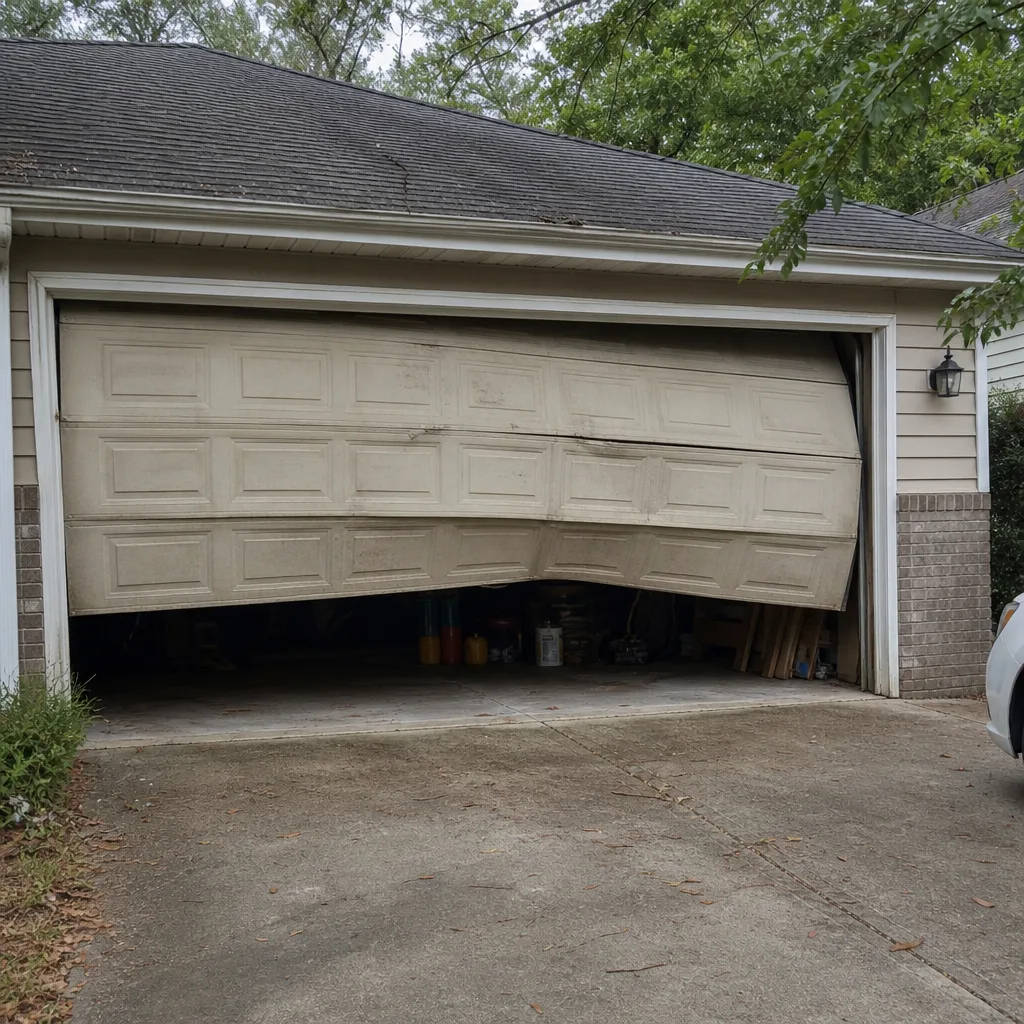
- The door is visibly sagging or tilted. A tilted door is already carrying uneven load on the springs and cables. Releasing it multiplies that.
If any of those four conditions is present, do not pull the cord. Call a technician. This is a genuine safety issue, not a formality – garage door springs and cables operate under extreme tension, and injuries from them are serious. We recommend a trained professional for anything involving springs, cables, or a door that’s off its track.
Storm Preparedness for Cary Garage Doors
Cary sees its share of severe weather, from summer thunderstorms with high straight-line winds to the occasional named storm tracking inland. Your garage door is the largest moving opening on your house, and it’s also the most vulnerable to wind pressure. A reinforced door is not just a comfort item – it’s part of how your home holds together in a storm.
Before a named storm:
- Test the door’s balance. With the door closed, pull the manual release and lift the door halfway. It should stay in place. If it drops or rises, your springs are out of adjustment and the door won’t handle wind load well.
- Check the rollers, hinges, and track. Loose hardware rattles when wind pressure hits the door. A technician can tighten and align it before the storm, not after.
- Clear the tracks. Debris and grit in the track can cause the door to bind under load.
- Consider a wind-load reinforcement kit for older doors. Many Cary doors installed before the current wind-load standards were built to a lower standard. A reinforcement kit or a bracing strut can be added to an existing door. Ask a technician whether your specific door and hardware support one.
- Close the door fully before the storm arrives. A partially open door catches wind like a sail.
For doors with a Clopay or Amarr panel system, the door’s model and construction matter to what reinforcement is possible. We work on both brands, and on Chamberlain and Genie openers, so the same team can prepare the whole system.
Power Outages and the Manual Disconnect
Most openers have a manual disconnect, and knowing exactly what it does before you need it is the difference between getting your car out and getting stuck. The disconnect releases the door from the opener’s trolley. It does not make the door lighter, and it doesn’t bypass a broken spring.
Here’s the sequence to use during a power outage, when the door and opener are otherwise healthy:
- Confirm the door is fully closed and nothing is underneath.
- Pull the release cord straight down. You’ll feel the trolley disengage. If it doesn’t come easily, don’t yank it – the door may be under load.
- Lift the door by hand. A balanced door should lift with moderate effort. If it feels like lifting a car, stop. The spring may be failing.
- Prop or hold it fully open, then drive out.
- Close it by hand slowly and re-engage the trolley by pushing it back onto the opener’s carriage. It only re-engages in the fully closed position.
If you can’t get the door to re-engage, or the door won’t stay open on its own, don’t try to force it. A garage door that won’t hold itself open is a spring problem, not a power problem. Call (855) 360-7403. We answer 24/7, and a call outside dispatch hours is booked into the next opening, Sunday through Friday, 7am to 7pm.
What to Have Ready When You Call
When you call an emergency garage door service in Cary, the information you provide in the first two minutes determines how fast a technician arrives and whether the right parts come with them. Have these ready:
- Your address and the nearest cross street. Useful for dispatch and routing.
- Whether the door is stuck open or stuck closed. This single detail changes the whole response.
- The door’s make and model if you know it. Look for the manufacturer’s label, usually on the inside of the bottom panel or on the frame. Clopay and Amarr both label their doors.
- The opener’s brand and model. Chamberlain and Genie are the most common openers we see in Cary, and knowing the model helps us bring the right parts and controls.
- What you see and hear. Is the motor running but the door not moving? Is the door moving but reversing? Is there a gap in the spring, a loose cable, a bent track?
- Whether the manual release is engaged. Confirm this so a technician knows the door’s state before arriving.
- Whether the power is on in the rest of the house. Rules out a tripped breaker or a wider outage.
If you have photos of the spring, cable, or track, even better. A visual helps a technician diagnose the issue and confirm the correct replacement part before they leave. Our garage door opener repair page covers the electronic side of the system in more detail if your opener is the suspect.
Frequently Asked Questions
A typical spring replacement is one of the most common emergency calls, and a single spring usually runs in the range of $180 to $340. A matched pair is normally replaced together, so a pair costs about twice that. Cable replacement and opener repairs vary by the specific part. You’ll get a written estimate before any work starts. Call (855) 360-7403 for an exact quote – estimates are free.
In most cases, yes. A door stuck open is a security problem, and we treat it like one. We answer 24/7. Fast dispatch from 7am to 7pm, Sunday through Friday, gets a technician to most Cary addresses the same day. Call (855) 360-7403 and we’ll tell you the soonest window.
The written estimate sets the price. We quote before any work starts, and the price you agree to is the price for the job. If we find something additional while on-site, we’ll tell you before we touch it. Call (855) 360-7403 for a free estimate.
Yes. Our technicians are state-licensed, insured and bonded, and have up to 10 years of experience working on garage doors and openers. We work on the brand you already have – whether it’s a Chamberlain opener or a Clopay door. Call (855) 360-7403 for a free estimate.
No. If the spring is broken or a cable is snapped, pulling the manual release can cause the door to fall. The spring is what counterbalances the door’s weight, and without it the door can weigh several hundred pounds. Leave the door as it is and call (855) 360-7403.
Most spring, cable, roller, and opener repairs are completed in a single visit. We carry parts for the eight brands we specialize in – LiftMaster, Chamberlain, Genie, Clopay, Amarr, Wayne Dalton, Craftsman, and Raynor – so the right part is usually on hand. Rare or older systems may need a return trip. Call (855) 360-7403 for a free estimate.
See the difference
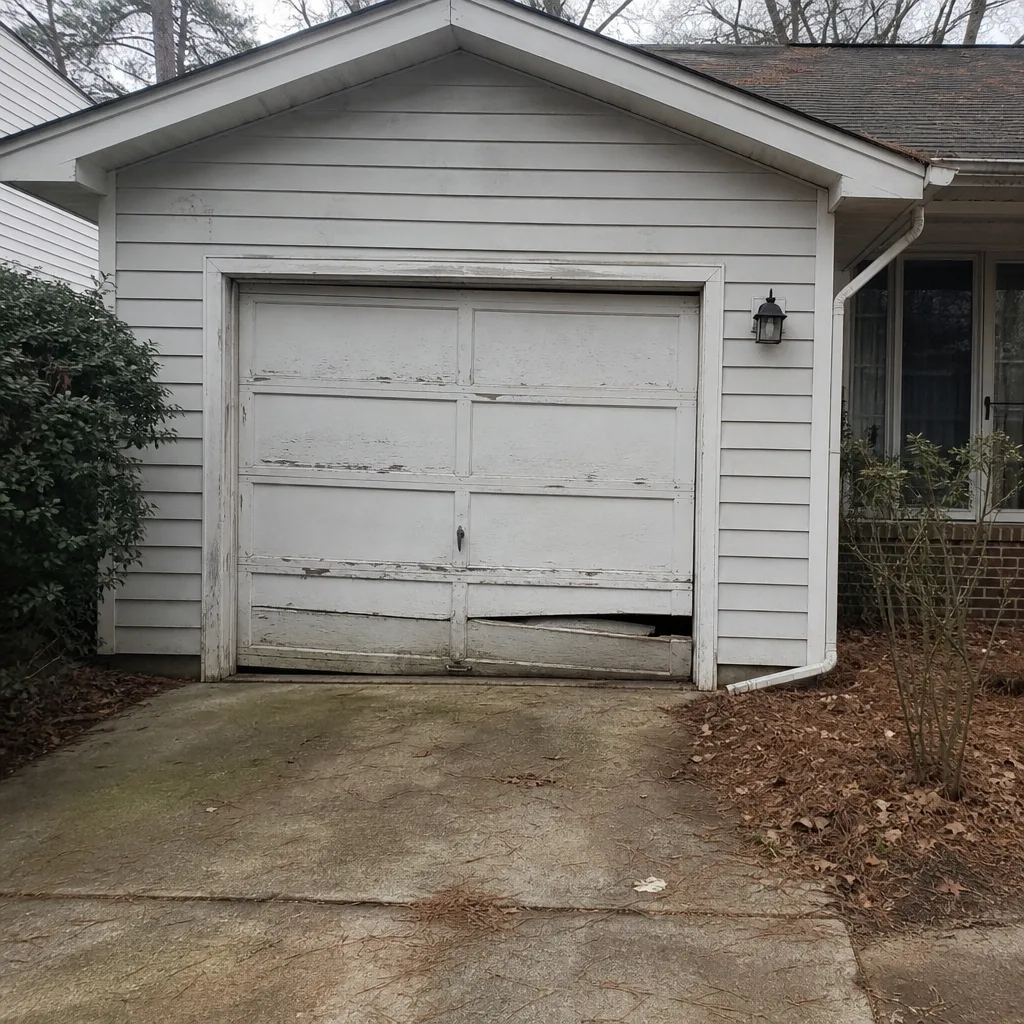 Before
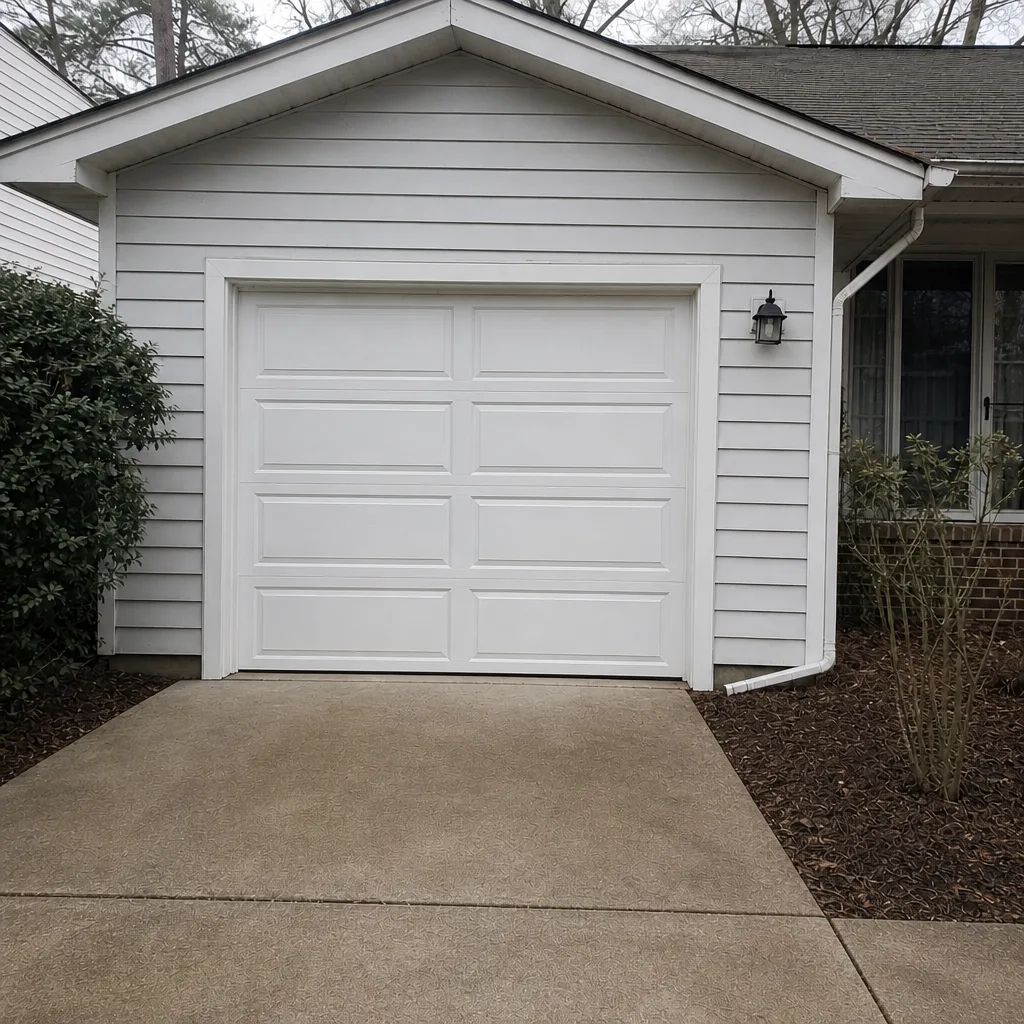 After
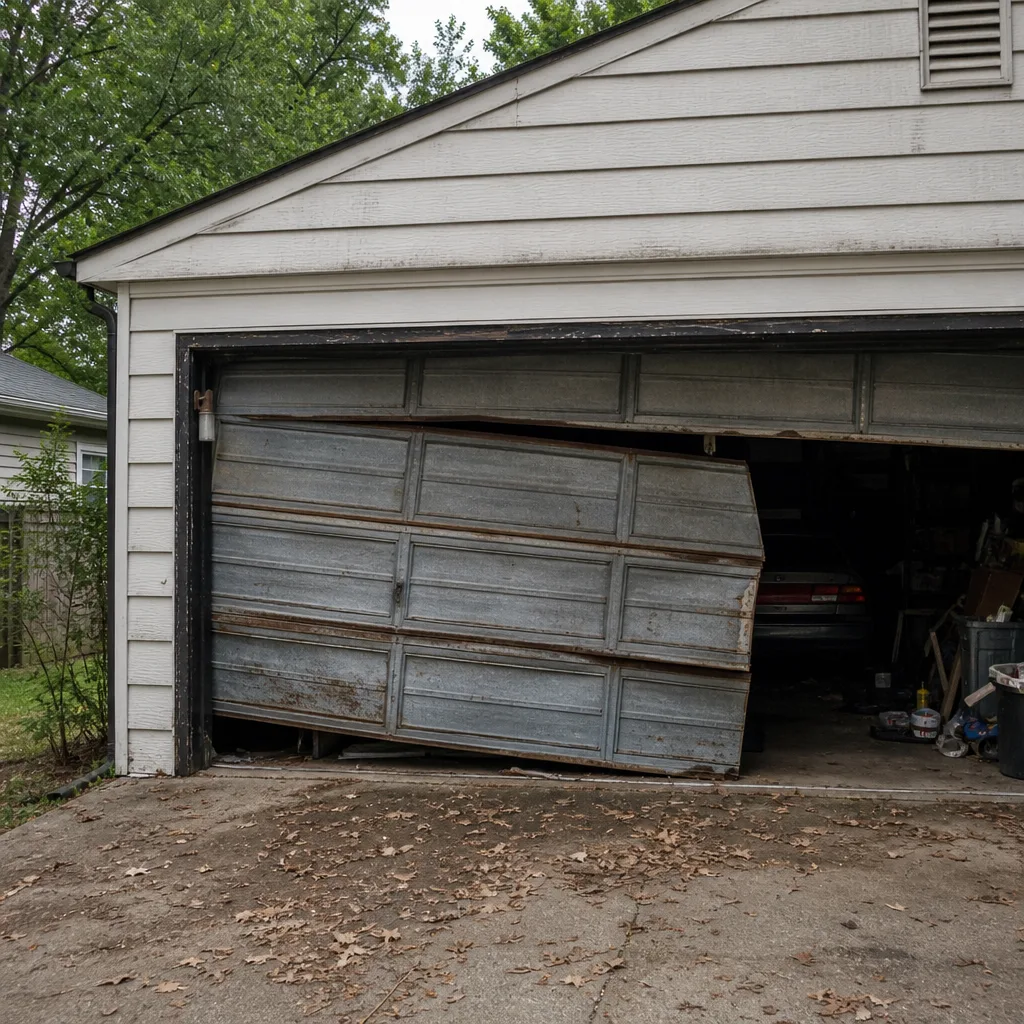 Before
 After
 Before
 After
When to Call a Professional
Some garage door issues are genuinely DIY-friendly: a remote battery, a sensor knocked out of alignment, a manual lock left engaged. The rest are not, and it’s worth knowing where the line is. Call a professional if the door is off its track, if you can see a broken spring or a snapped or slack cable, if the door is sagging or tilting, if the opener runs but the door doesn’t move, or if the door reverses repeatedly and won’t close. All of those involve moving parts under tension that can fail catastrophically if handled wrong, and a garage door is the heaviest moving object in most homes. Cary Garage Door Service offers free estimates in Cary – call (855) 360-7403. We answer 24/7, and fast dispatch runs from 7am to 7pm.
Frequently Asked Questions
Check the opener’s power first: the unit’s light, the plug, and the breaker. If the opener is dead, the door may be fine. Then try the wall control and a remote, and check the safety sensors. If those are fine and the door still won’t move, stop and call (855) 360-7403.
Clamp locking pliers or a C-clamp on the vertical track just above a roller to prevent further upward travel, park a vehicle across the opening, leave exterior lights on, and move visible valuables indoors. Don’t force the door closed. Call (855) 360-7403 for same-day help.
No. The manual release is safe only if the door is balanced and the spring and cables are intact. If the spring is broken, a cable is snapped, or the door is off its track, pulling the release can drop the door. Leave it and call a professional.
Releasing the door during a power outage doesn’t damage the opener by itself. Problems start when the door isn’t re-engaged correctly or the door is heavier than expected. If the door won’t re-engage or won’t hold itself open, the spring needs attention.
In many cases, yes. A wind-load reinforcement kit or a bracing strut can be added to an existing door if the hardware and panel construction support it. A technician can tell you what your specific door can take. Call (855) 360-7403 for a free estimate.
Yes. We service both the mechanical door system and the electronic opener, including Chamberlain and Genie units, so one visit covers the whole system. Call (855) 360-7403 for a free estimate.
The Bottom Line
A garage door emergency in Cary comes down to direction. Stuck closed means you’re stranded; check power, sensors, and the wall control before you call, but stop if you see a broken spring or snapped cable. Stuck open means your home is exposed; secure the opening with clamps and lighting, don’t force the door, and call. The manual release cord is safe only when the door is balanced and the spring and cables are intact – in any other situation it can make things worse. Know which emergency you’re in, have your door and opener details ready, and call (855) 360-7403 for a free estimate. We answer 24/7, and fast dispatch runs from 7am to 7pm, Sunday through Friday.
If you’re looking for reliable Cary Garage Door Service, we’re here to help – and you can learn more about the area we serve on our Cary page.
Written by the team at Cary Garage Door Service.